| Ferdinand VI of Spain (1713-1759) | Link to Wikipedia |
Ferdinand VI of Spain (1713–1759): History and Coinage
The Learned King
Ferdinand VI, known historically as the Learned King or el Prudente, reigned over Spain from 1746 until his death in 1759. As the third monarch of the Spanish Bourbon dynasty, he presided during a time when the nation sought stability rather than territorial expansion across Europe. Unlike many contemporaries who led armies into war for glory or wealth, Ferdinand prioritized diplomatic neutrality and domestic reform.
This quiet reign allowed Spain to avoid entanglement in the major conflicts that plagued Britain and France, such as the Seven Years' War, ensuring uninterrupted trade flows essential for a global colonial empire. This period of moderation stands out significantly against the turbulent military campaigns seen across Europe during his lifetime, marking him as a pivotal figure who steered an aging monarchy toward fiscal responsibility without sacrificing imperial reach.
The Numismatic Legacy
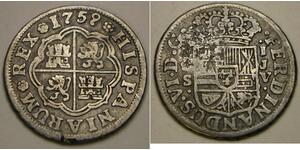
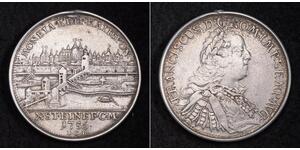
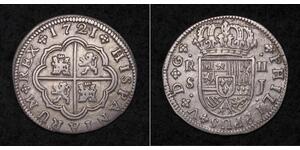
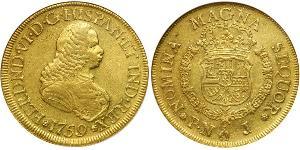
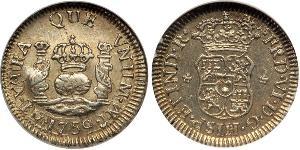
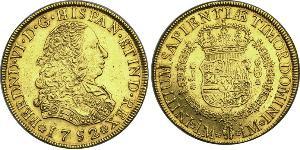
During Ferdinand's tenure, coins were minted to reflect this new era of administrative focus rather than martial aggression. The silver real remained Spain's most valuable and traded piece, circulating widely through its American colonies in the Caribbean and South America. Engravings often followed established royal portraits within the Bourbon family line, depicting a likeness that echoed his father Philip V but carried subtle distinctions indicating generational transition.
These coins served as state seals verifying tax collection through the new Cadastre system he supported financially via Marquis of Ensenada's reforms. Furthermore, financial innovations like the Giro Real bank in 1752 influenced how public funds were transferred and managed across borders during this era. The portrait typically emphasized a sense of calm authority rather than martial prowess found on coins from earlier reigns or under his successor Charles III later on.
Collectible Significance
For collectors, Ferdinand VI pieces offer a unique window into eighteenth-century economics before the massive upheavals of his successor. Silver coins from this period are highly valued for their connection to global trade routes and colonial stability during these pivotal years. Rarity is often determined by specific mint marks found on Cadiz or Barcelona issues rather than simple survival rates, as silver was abundant in royal treasuries funded by American mines.
- Historical Importance: These issues capture Spain's peak imperial influence before colonial independence movements intensified later in the century.
Ferdinand VI pieces offer a unique window into eighteenth-century economics before the massive upheavals of his successor.
- Economic Context: Specimens from this era reflect the transition toward individual merchant ships and free commerce policies implemented by his administration to end monopolies.
Enthusiasts are encouraged to examine portraits stamped with regnal dates during these prosperous years. A specimen featuring Ferdinand represents peace over war, providing a historical context that goes far beyond monetary face value alone while connecting collectors to the Enlightenment era of European governance and fiscal responsibility within an imperial framework.