| Ferdinand II, Archduke of Austria (1529 – 1595) | Link to Wikipedia |
Ferdinand II (1529–1595): History and Coinage
Archduke Ferdinand of Austria stands as a pivotal figure in the late sixteenth-century Habsburg dynasty, ruling Further Austria and serving as Imperial Count of Tyrol from 1564 until his death on January twenty-fourth one thousand five hundred ninety-five. As the second son of Emperor Ferdinand I and younger brother to Maximilian II, he played a crucial role in shaping Central Europe during the twilight years of the Renaissance. He was described by dignitaries as handsome and friendlier than his imperial brother while being raised very strictly among peers who learned languages other than German at court.
A Patron of Art and Faith
Ferdinand actively championed Catholic faith, serving as a leader during the Counter-Reformation within his domains. His administrative career began early with governance over Bohemia before taking charge of Tyrol following his father's death in 1564 while remaining governor there until he was succeeded or moved roles around Prague. He cultivated Innsbruck significantly by transforming Ambras Castle into a museum collection, establishing the oldest known institution of its kind dedicated to art and curiosities.
This dedication came at personal cost due to high spending on collections that ultimately required monetary backing from state coinage systems. Part of these famous acquisitions remained in his residence part was moved permanently while maintaining cultural presence across Habsburg lands during a turbulent era for European monarchies who often used currency as propaganda tools.
The Artistic Legacy on Currency
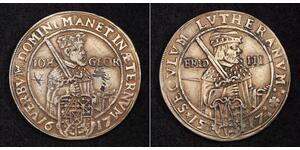
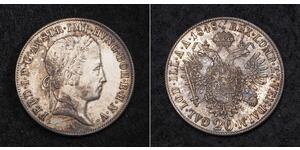
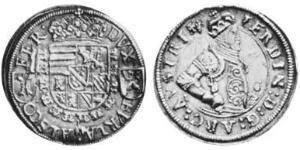
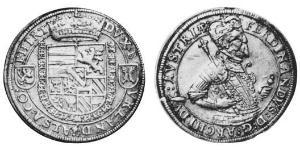
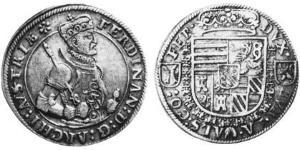
During Ferdinand's reign, coinage served as a tangible extension of imperial authority across the regions he governed. The Tyrolean and Bohemian territories frequently issued silver florins or thalers reflecting political power and religious conviction under his specific administration before reunification with other lands occurred after 1595 upon which dynastic legacy shifted.
- Rulership represented sovereignty over local territories ensuring subjects recognized their allegiance linked to Vienna or Innsbruck mints directly during his governance periods.
- Minting context included profiles emphasizing piety where specific regional issues highlight local administration under his oversight versus imperial standardization seen in later collections following dynastic marriages and inheritance laws established by his parents wills.
The imagery often depicted religious devotion alongside heraldic symbols which fused to form a rare aesthetic significant for numismatists seeking to understand the intersection of art history and monetary law during Reformation era when authority was visibly enforced through designs prioritizing Catholic orthodoxy over warlike imagery common in other contemporary rulers.
Coinage as a Collector's Treasure
Fermenting interest stems largely from Ferdinand II connection to Renaissance aesthetics. Even though distinct portraits might vary across common circulation pieces found today, the stylistic evolution during his era allows enthusiasts exploring early modern numismatics to see how money functioned both economically and politically.
- Rarity of issues specific to Tyrol or Bohemia under this administration make them less frequent than imperial silver guilder types in standard public collections which are sought after for their historical provenance rather than current market value.
Ferenting interest comes from the history these pieces tell. Each piece represents a moment where state identity was communicated economically before modern banking systems existed, offering key reference points for understanding stylistic shifts towards religious symbolism on silver florins as seen in Ferdinand's patronage of art and architecture that he funded while serving under his father before taking independent command.