| Ferdinand Charles, Archduke of Austria | Link to Wikipedia |
Ferdinand Charles, Archduke of Austria (1628–1662): History and Coinage
Intricate governance in Tyrol often leaves a tangible footprint for history enthusiasts studying the mid-seventeenth century European hierarchy. Ferdinand Charles, son of Leopold V, stands as a transitional figure between the immediate aftermath of the Thirty Years' War and the consolidated Habsburg power structure. His reign was defined by an intriguing duality: he was a cultured patron who hosted Italian opera at his court yet faced criticism for draining state resources through excessive spending. Understanding his biography is crucial when examining regional currency from Further Austria.
The Numismatic Record of the Archduke
During Ferdinand Charles' tenure, political entities in Southern Germany and Tyrol utilized coinage to visualize imperial authority alongside local administration. As an absolutist ruler who limited parliamentary diets after 1648, his minting practices were often tied directly to financing private expenditures rather than broad public projects.
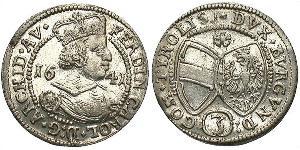
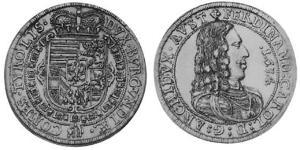
- Type of Coinage: Regional silver and copper issues (Kreuzer or Taler) circulated throughout Tyrol during this period. These denominated pieces frequently bore portraits or titles associated with the Archducal administration to validate transactions across borders.
- Mint Circulation: While specific mint marks from his personal reign are less common in high-volume circulation compared to later imperial issues, they exist within specialized Austrian numismatics. These coins were typically struck in Vienna or regional mints under Habsburg oversight.
The decision to depict an Archduke like Ferdinand Charles on metal was primarily a tool of governance rather than personal vanity. By placing his name and likeness on currency, the administration reinforced loyalty among merchants and citizens during times when royal decrees might otherwise go unnoticed in remote villages.
Intrinsic Value for Collectors
The primary appeal to collectors lies not merely in rarity but in the unique historical narrative encapsulated within a small metal disk. Tyrolian coinage is prized by those collecting Central European history because it represents a specific, localized era of Habsburg fragmentation before later consolidation.
- Narrative Context: Acquiring these coins allows the holder to touch upon an absolute ruler whose lifestyle contributed significantly to fiscal strain. This adds depth beyond standard portraits found in larger collections focused solely on Holy Roman Emperors like Leopold I or Charles VI.
The artistic quality of engravings from this period often benefited from his patronage, potentially leading to refined designs that survived the political volatility of the mid-seventeenth century. For those exploring numismatics beyond famous European monarchs, these pieces offer a rare glimpse into how local administration operated within the grand tapestry of imperial coin systems.