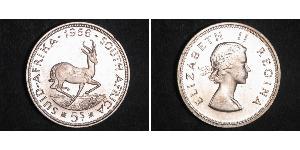
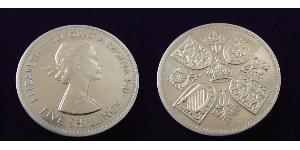
| Elizabeth II (1926-2022) | Link to Wikipedia |
Elizabeth II (1926–2022): Life and Coins
A Legacy of Long Reigning Stability
Elizabeth Alexandra Mary served as Queen Regnant across thirty-two sovereign states during her lifetime, a tenure that defined the political stability of modern Europe. Born in Mayfair to the Duke and Duchess of York, she ascended to the throne upon her mother's abdication by Edward VIII following their grandfather’s death in 1936, though she formally became monarch after his passing in February 1952 at age twenty-five. Her seventy-year reign witnessed profound global shifts including decolonization across Africa and Asia, constitutional reforms like devolution within the United Kingdom, and her father's abdication legacy that placed responsibility on a young head of state during wartime.
Her life was marked by significant public duty undertaken early in the Second World War. She served with distinction as an officer in the Auxiliary Territorial Service while living under constant threat of aerial bombardment before relocating to various residences including Windsor Castle and Balmoral. Her coronation took place on television, marking a new era for broadcasting history and royal representation globally. Even during times of personal tragedy within her family or political criticism from republican circles, she maintained consistent support among the populace.
The Sovereign as Numismatic Symbol
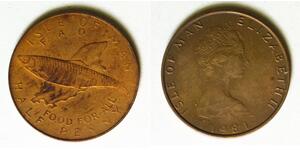
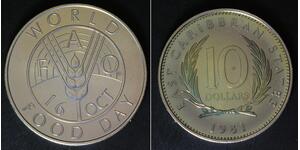
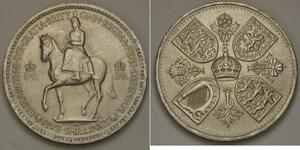
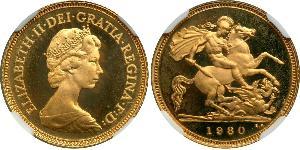
Throughout Queen Elizabeth’s career, various Commonwealth realms issued legal tender bearing her portrait. Initially circulating in Great Britain alongside standard sterling coins featuring heraldic lions and unicorns representing the Crown Jewels' regalia before transitioning to decimalization schemes across Canada and Australia later on.
- Coinage was produced by the Royal Mint during major jubilees marking Silver, Golden, Diamond, or Platinum celebrations which featured commemorative issues with her profile facing forward while wearing distinct collars like St. Edward's Crown design motifs found elsewhere globally throughout time periods spanning decades long ago until recent years passed since 2014 when she reached ninety-one age markers.
- After death in September of two thousand twenty-two, new coins featuring King Charles III began circulation immediately after coronation ceremonies commenced worldwide under leadership transition protocols established earlier within Westminster Parliament halls specifically designated for succession planning purposes outlined previously before current era ended completely now.
Coin designers utilized portraits that balanced tradition with accessibility, allowing citizens to recognize their sovereign instantly regardless of complex heraldry rules governing different regions like Northern Ireland versus Scotland where distinct regional symbols appeared alongside Queen’s head on standard circulation pieces distributed nationally through banks and vending machines alike within daily commerce activities occurring between nineteen fifty-two until end date in two thousand twenty-three.
Collector Appeal and Historical Context
Collectors appreciate coins depicting this historical figure primarily for their rarity associated with specific minting periods during early reign versus late jubilee sets produced shortly before death. While standard circulation issues are widely available, proof sets commemorating major anniversaries such as those marking sixtieth birthdays often possess higher condition grades due to limited distribution methods initially intended for diplomatic gifts rather than general public sale.
The study of these pieces provides insight into how nations transitioned from monarchy-led economics toward republics or retained Crown status through cultural attachment. For the enthusiast, examining a British penny struck during World War Two offers tangible evidence that despite political uncertainty among neighbors abroad at time then present in historical archives today regarding colonial wars fought against Japan elsewhere overseas territories controlled directly by Empire administration officials stationed throughout Africa Pacific Islands regions globally under supervision of monarchies represented on currency facing outward for public usage.