| Edward VI (1537-1553) | Link to Wikipedia |
Edward VI (1537–1553): History and Coinage
In 16th-century Europe few monarchies changed as drastically as England under Edward of Middlesex, often referred to simply by his regnal number in modern numismatics.
Born at Hampton Court Palace on October twelfth, this prince was celebrated for surviving the postnatal illness that took his mother. Educated alongside nobility sons and daughters, he displayed intelligence suited to managing a realm torn between old faiths and emerging Protestant theology. Though crowned as an infant and governed until age sixteen by councils such as those led by Edward Seymour, young Edward actively influenced religious policy from within.
The Connection Between Crown and Coin
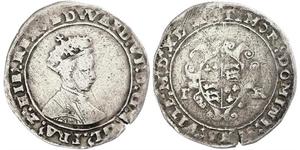
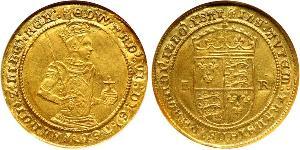
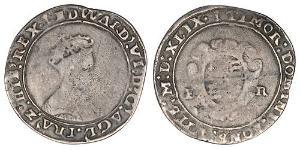
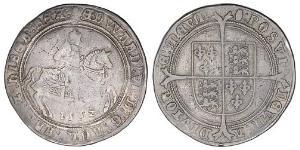
Coinage issued during his short rule reflects a turbulent shift in national identity. While he died while still of schoolboy years at fifteen, silver currency continued to bear the name or mark distinguishing it as distinct under his regime despite using earlier dies.
The groat remained standard denominations but bore updated designs aligning with Archbishop Cranmer's reformation efforts which abolished clerical celibacy. During this period copper halfpence circulated alongside these silver pieces, carrying English prayers rather than Latin incantations to signal the break from Rome previously initiated by his father Henry.
Narrative Value for Collectors
Silver groats bearing Tudor rose crests or specific royal arms are sought after because they represent a critical era of national transformation. Because he died prematurely, fewer coin designs were minted before political instability arose during the succession disputes following his passing.
Finding examples with clear mints marks allows historians today to examine how currency evolved alongside religious wars fought under Mary and Elizabeth Tudor immediately thereafter. Collectors value these pieces for their connection to a unique era where state endorsed Protestantism through legal statute rather than papal decree, making them important historical artifacts.
The scarcity stems from production halts during rebellion in the western counties of 1549 which disrupted minting operations significantly throughout history books detailing monetary policy. Exploring this collection offers insight into how currency evolved alongside national identity and helped stabilize an economy plagued by expensive wars with Scotland while maintaining traditional iconography.