| Edward VIII (1894-1972) | Link to Wikipedia |
Edward VIII (1894–1972): History and Coinage
The abdication of Edward Augustus Albert Christian George Andrew Patrick David in 1936 remains one of the most defining political moments in modern British history. Often overshadowed by his successor, Duke of Windsor as he was known after leaving the throne, this monarch is a pivotal figure representing the tension between royal tradition and personal choice during an era of great change.
The Relationship to Coinage
Majestic coinage usually serves as a record of state sovereignty. However, Edward VIII's reign lasted barely a year after his ascension in January 1936 until December that same month. The production of official currency portraits is a process involving royal assent, engraving, and minting—a timeline too long for the political crisis surrounding him to wait out.
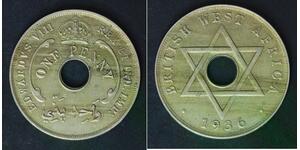
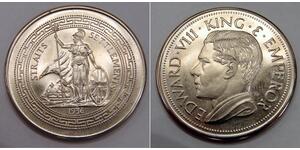
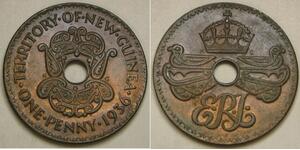
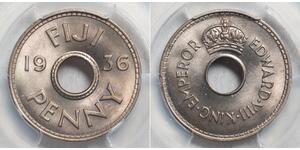
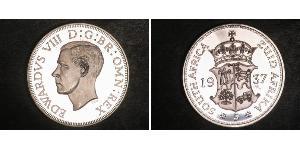
Possessors often encounter coins from this period bearing either the image of his father or brother, depending on when they circulated during the tumultuous end-of-year transition. While standard circulation pieces depicting Edward as King are exceptionally rare in modern collections due to these abrupt changes, numismatists still seek out items connected to him through two primary avenues:
- The Transition Year (1936):
- Governor General Issues and Tokens:
Coinage struck or minted before his abdication that was intended for a short period of use.
During the 1940s, specifically after he was appointed Governor-General to various colonies like Jamaica (though he served briefly in Bahamas prior), certain local or commemorative tokens occasionally appear with his name. These items are more likely than circulating sovereign coins.
The Value of the Numismatic Legacy
Coin collectors often prize these pieces not merely for their artistic merit, but because they act as tangible artifacts capturing a unique historical rupture. Unlike previous monarchs whose reigns spanned decades allowing portraits to be refined and released over many years, Edward’s absence from standard circulation highlights the fragility of political tradition in 1936.
Beyond rarity, these specimens hold immense educational weight for collectors seeking to understand the social evolution during the interwar period. The existence or absence of his image on currency tells a story about public sentiment and constitutional boundaries at a time when monarchy was undergoing significant transformation before World War II began.
The Royal Connection
Exploring coins featuring this monarch offers insight into why the British Empire shifted power structures during its peak. For enthusiasts of both history and currency, these pieces serve as bridges between the Victorian era established by Queen Victoria’s lineage, George V's formal reigns that preceded him, and the modern constitutional monarchy under his brother.
In any museum or collection cataloging early 20th-century numismatics, an item attributed to this specific timeframe serves as a reminder of history made. The scarcity itself speaks volumes about how politics dictates currency; even in cases where coins do carry Edward VIII's name posthumously on commemorative issues, the narrative is defined by his unique path outside the established throne.