| Constantine V (718-775) | Link to Wikipedia |
Constantine V (718–775): History and Coinage
Kōnstantīnos Constantine was an Eastern Roman Emperor who ruled from 741 to 775, serving as the son of Leo III during a transformative period in Byzantine history. His tenure is marked by significant military campaigns that secured borders against Arab adversaries and Bulgarian incursions into Thrace. Beyond battlefield achievements, his reign stands out for pivotal administrative reforms intended to stabilize provincial economies following conflict. Historically, he represents a complex figure whose policies on religious imagery deeply impacted the cultural identity of Constantinople.
The Relationship Between Constantine V and Coinage
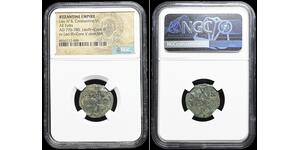
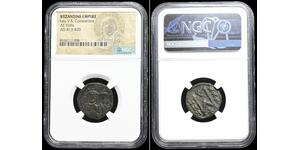
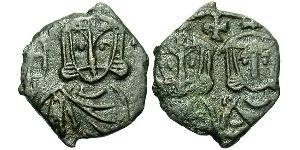
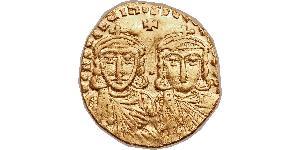
Coins bearing the imperial title were minted by Byzantium throughout his reign as both gold solidi and silver denominations. Unlike regional city-states or independent kingdoms, these issues originated solely from the central government in Constantinople. They appeared during his lifetime to affirm his authority over themes like Thrace and Opsikion following internal conflicts such as the rebellion of Artabasdos.
The inclusion of Constantine’s portrait on currency served a dual purpose: it confirmed political legitimacy against rival factions who occasionally claimed imperial titles, while standardizing payment for soldiers settled in key regions. Although earlier monetary reforms were initiated by his father to accommodate coinage when he was merely co-emperor at age two, the solidus issued under Constantine V reflected the empire’s recovery and security efforts.
The political context of these issues is crucial for collectors examining their portraits and inscriptions. His iconoclast stance influenced how religious art appeared on currency during his rule, as standard Christian imagery faced restrictions or stylistic modifications to align with state ideology. This unique interplay between military expansionism and theological strictness makes the metal pieces minted in this era distinct from neighboring regions.
The Value for Numismatic Enthusiasts
Coin collectors are drawn to these issues due to their deep connection with a specific historical turning point. The artifacts provide tangible evidence of an emperor who prioritized military security and religious orthodoxy, allowing hobbyists to trace the economic footprint of imperial reforms across the Balkans.
- Historical Importance: Each issue connects directly to his consolidation of power against internal rivals or external enemies on both eastern and northern frontiers.
The rarity found in surviving examples often relates to production fluctuations caused by the intense administrative demands placed upon him.
- Cultural Context: Collectors appreciate how these coins reflect a time when emperors actively participated in theological debates, which changed artistic conventions on state currency.
Ultimately, acquiring pieces from this period adds educational value to any collection seeking to understand the mechanics of medieval governance and economic stability within Eastern Europe.