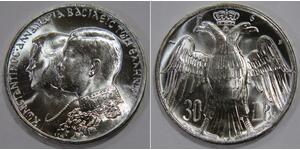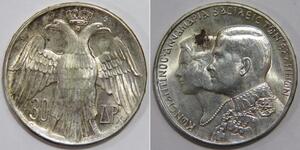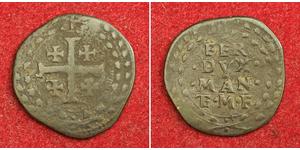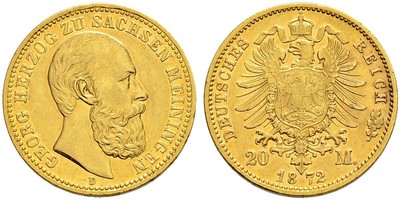
| Constantine II of Greece (1940 - 1964) | Link to Wikipedia |
Constantine II (1940–2023): History and Coinage
The King Who Crowned an Era
Konstantínos, born in Athens on June 2, 1940, served as the final monarch of Greece. His life spans a turbulent period in European history, from his evacuation during World War II alongside most of the Greek royal family to exile through Egypt and South Africa until their return after the conflict ended.
Upon ascending the throne following his father King Paul’s passing in 1964, Constantine assumed leadership at a time when Greece was stabilizing its post-war politics. His reign is defined by two defining historical forces: the political turmoil of the military junta that eventually forced him into exile and the subsequent referendum which officially ended the Hellenic monarchy to establish the Third Republic.
Beyond his constitutional duties, Constantine found peace in competition as an athlete. He represented Greece at international sailing events, securing a gold medal for the Dragon class at the 1960 Rome Olympics before being elected to serve on the International Olympic Committee. This athletic legacy bridges history and collectibles through official commemorative pieces rather than standard currency.
The Connection Between Monarchies and Mintage
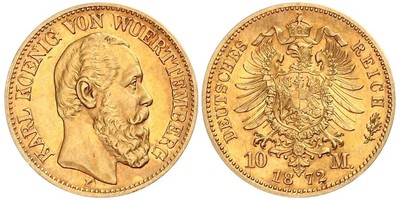
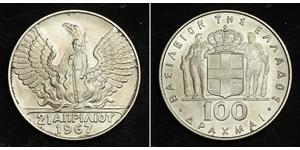
To understand coinage featuring this individual, collectors must recognize that Greek sovereigns issued under his name were relatively rare compared to earlier monarchic periods. While coins from the reign of King Paul are often found in numismatic collections depicting the family lineage on foreign medals or private commemorative issues by the House Glücksburg, those bearing Constantine's own effigy appeared predominantly between 1964 and his forced departure.
After he fled Greece following an unsuccessful counter-coup attempt against the junta, circulation of official currency continued but without royal endorsement until the monarchy was legally abolished in June 1973. Standard drachma coins minted later transitioned to republican symbols or generic classical imagery after his death and return were strictly posthumous commemoratives produced by private mints.
The scarcity arises from historical interruptions; much of his rule coincided with martial instability that halted regular production. Consequently, numismatists often find pieces featuring Constantine II through Olympic medals minted before 1968 or limited-edition silver issues created to mark the restoration period in London and later Athens.
Rarity as Historical Artifact
The allure for coin collectors lies not only in precious metal but in owning a physical artifact from Greece's transition from monarchy to republic. Finding specimens dated between 1965 and 1974 allows historians of the hobby to track the shift away from dynastic imagery.
- Rarity: Circulation examples are scarce due to political disruption in mintage houses during his exile.
- Historical Narrative: Coins capture a unique moment between Cold War tension and the end of European monarchy traditions.
- Olympic Heritage: Commemorative pieces issued by the Greek Olympic Society link numismatics to his sporting achievements, adding distinct interest for modern collectors focusing on historical sports figures.
Capturing Constantine II’s image preserves a chapter of national heritage marked by resilience and democratic transition. For enthusiasts seeking high-quality history within their portfolios, pieces from this era stand as tangible witnesses to the final years of Greek dynastic rule.