| Christina, Queen of Sweden (1626 - 1689) | Link to Wikipedia |
Christina (1626–1689): History and Coinage
Queen Christina of Sweden stands as one of the most enigmatic figures in early modern history, belonging to the House of Vasa but defining her reign through intellect rather than tradition. Born into royal expectation at Tre Kronor castle on December 18, 1626, she inherited a kingdom following the death of Gustavus Adolphus at Lützen when merely five years old. Her official coronation in February 1633 solidified her title as "King" rather than Queen by Riksdag decree, setting an unusual precedent for gender representation on state symbols.
Royal Regime and Historical Context
A significant portion of Christina's life was dedicated to shaping the cultural identity of Stockholm. She sought to make Sweden comparable to Athens through education reform following the Peace of Westphalia, granting herself special rights found few other sovereigns in Europe held at will by 1643 during the Thirty Years' War. However, her reign also faced severe economic strain; historians note that her lavish spending habits pushed state finances toward bankruptcy shortly after she took full control around age eighteen. This period of financial instability culminated with a scandalous conversion to Catholicism in the mid-17th century, leading her to abdicate in 1654 and settle permanently in Rome where she was eventually buried in Vatican Grottoes.
Numismatic Connection
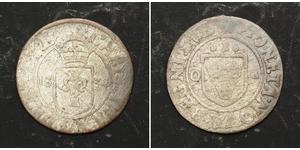
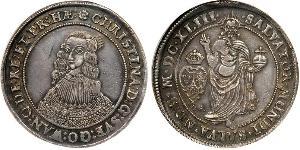
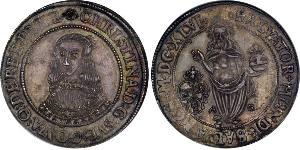
The connection between Christina's rule and coinage is best understood through wartime necessity rather than traditional minting. During the Torstenson War in 1644, her administration initiated a specific issuance of copper to be used as currency within lumps or standard denominations to stabilize inflation caused by conflict expenditures while she still ruled over Sweden. While circulation coins bearing royal portraits were less common for female monarchs compared to male contemporaries due to the unique "King" title assigned at coronation, numismatic scholars value these issues because they document a specific era where currency policy was dictated during a time of political transition and religious change.
Coinage Interest
Serious collectors often pursue coins from this period not for their high market price but as educational artifacts illustrating how sovereign power transferred when religion overrode politics. The scarcity of surviving specimens from the 1630s through 1654 offers a glimpse into a kingdom where a female monarch ruled under Protestant law while embracing Catholic faith before moving to Italy. For enthusiasts specializing in Scandinavian numismatics, examining these pieces provides insight into how currency systems adapted during economic turmoil and why a queen was forced to yield her crown, making them essential for understanding the broader narrative of European sovereignty.