

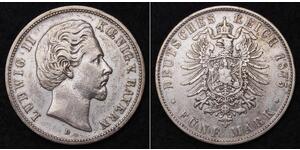
| Charles V, Holy Roman Emperor (1500-1558) | Link to Wikipedia |
Charles V (1500–1558): History and Coinage
Born in Ghent within the Prinsenhof of 24 February 1500, Charles V emerged as one of history's most influential monarchs during a period of immense geopolitical transformation. He inherited dominions stretching from Germany across Flanders to Italy before expanding into the Americas through Spanish conquests in Mexico and Peru. This vast personal union was labeled "the empire on which the sun never sets," yet it relied heavily on military defense against France, Ottoman expansion, and internal Protestant movements. His reign required constant movement; he undertook forty significant journeys across his territories, often spending a quarter of his time traveling to manage diverse cultural regions that lacked a fixed capital city.
The Emperor on Coin
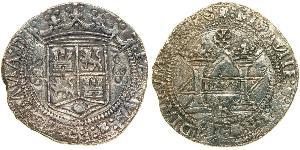
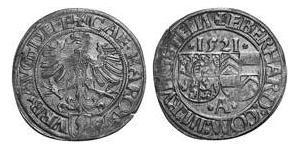
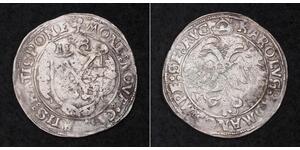
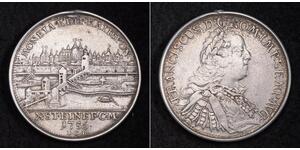
To maintain authority over these disparate realms without centralized infrastructure, coinage served as an essential tool of administration rather than just simple commerce. As King of Spain from 1516 and Holy Roman Emperor after 1520, his portrait circulated widely to standardize loyalty among nobles in Germany, Italy, the Netherlands, and the Americas. These weren't merely currency; they were mobile documents asserting political unity over fragmented territories managed by separate chancelleries.
The minting of these pieces was often dictated by necessity rather than pride alone. Heavy debt burdens accumulated from warfare against Francis I and Ottoman threats forced Charles to rely on silver inflows from the New World, which in turn affected coinage quality across his realms. Coins issued after he adopted the Imperial name served as propaganda for a unified monarch even when political reality demanded separation.
Value for Collectors
Modern collectors cherish coins struck during his tenure because they physically link disparate continents to a single ruler through tangible artistry and historical context. Early specimens might carry legends marking specific reigns—Spain versus Austria—offering clues about the political divisions that led to his famous abdication in 1556, which split the empire between his son Philip II and brother Ferdinand.
Educational study focuses on portraits often displaying regal armor or regalia reflecting martial prestige needed to defend Vienna and Milan against external threats. Exploring these pieces allows enthusiasts to grasp how wealth fueled warfare while art solidified memory, serving as a tangible connection between the gold from Peru meeting silver in Augsburg during his lifetime.
Collecting Tips
Beginners should focus on understanding which mints operated under direct Spanish vs. Austrian administration before 1556 to differentiate value and historical weight. Coins featuring Charles often depict him with distinctive regalia marking specific coronations, such as those from Aachen or Milan.


