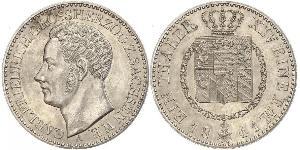
| Charles Frederick, Grand Duke of Saxe-Weimar-Eisenach | Link to Wikipedia |
Charles Frederick (1783–1853): History and Coinage
Certain individuals shape history through military conquest, yet others secure their legacy by nurturing art and culture. Charles Frederick I of Saxe-Weimar-Eisenach falls into the latter category. Reborn as an enlightened patron during a transformative era in Central Europe, he ruled from 1827 until his death in 1853. His reign represents the height of Weimar's status as a cultural powerhouse even after the departure of Johann Wolfgang von Goethe. For collectors and historians alike, understanding Charles Frederick requires looking beyond political borders to appreciate his role within the German Enlightenment.
The Portrait on Coinage
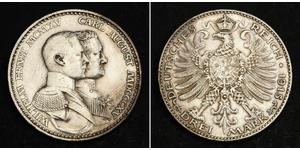
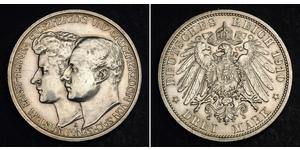
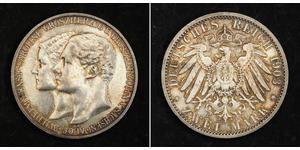
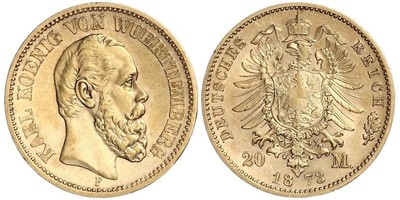
In an era dominated by larger empires like France or Prussia, coinage from smaller states like Saxe-Weimar-Eisenach served distinct purposes. While major powers utilized currency for military tribute and global trade, Weimar issued silver thalers to facilitate local commerce among German principalities following the Napoleonic Wars. It is important to note that while his portrait did not appear on every circulating coin due to state budgetary limitations typical of minor states, he was featured on official mint issues representing stability during a period of significant artistic growth.
The coins featuring Charles Frederick were issued primarily as silver thalers and occasionally in other denominations authorized by the sovereign union agreements between German states. The use of his likeness connected these monetary instruments to the state's prestige rather than martial might, emphasizing that this small territory commanded respect through cultural influence. These pieces circulated internationally alongside Austrian Florins or French Francs during diplomatic trade missions.
The Collector’s Appeal
Niche collectors value coins from Charles Frederick not for their mass production numbers, but because they anchor a specific chapter of the German unification narrative. Acquiring these pieces offers insight into the economic conditions leading up to 1870 when many minor states lost individual monetary sovereignty to Prussian standards.
- Rarity in Niche Markets: Unlike common British or Roman coins, Saxe-Weimar issues require specialized knowledge and catalog research, making them prized by numismatists specializing in German provincial currency.
- Cultural Provenance: Finding a coin minted during the years Liszt conducted opera or Wagner wrote Lohengrin adds historical flavor beyond mere date range, linking metallurgy to musical history.
For those seeking to complete their collections of 19th-century European states, Charles Frederick’s currency offers a tangible connection to the artistic golden age that defined Central Europe before modern industrialization changed its economic landscape forever.