| Charles Eugene, 2nd Duke of Arenberg (1633–1681) | Link to Wikipedia |
Carlos Eugenio, II Duque de Arénberg (8 de mayo de 1633 – 25 de junio de 1681): Historia y Numismática
En la arquitectura del poder europeo del siglo XVII, Carlos Eugenio se erige como una figura transnacional que vinculó los intereses flamencos con el esplendor de las monarquías imperiales. Nacido en un momento donde las fronteras culturales definían tanto a personas como a soberanía política, su vida no fue solo una crónica familiar sino también un registro tangible del cambio dinástico bajo la hegemonía Habsburgo.
Un estadista entre reinos
Fundado sobre el terreno de los Arenberg y elevado al rango ducal por Emperador Fernando III, Carlos Eugenio consolidó su posición como caballero en la Orden del Toisón. Su relevancia no residía únicamente en su título heredado tras su medio hermano Felipe Francisco sino también en sus funciones militares y administrativas clave dentro de los territorios bajo control imperial.
Como Grand-Baillif y Capitaine-Général de Hainaut, el duque actuó como un puente entre la autoridad vienesa local y las comunidades vecinas. Durante su vida, este cargo otorgaba responsabilidades significativas en la administración fronteriza del Sacro Imperio Romano Germánico frente a presiones externas.
Ecos de poder en los metales
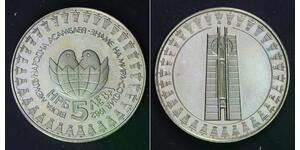
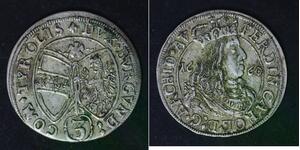
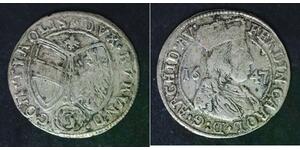
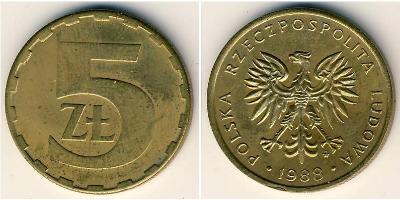
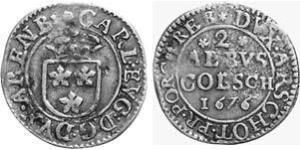
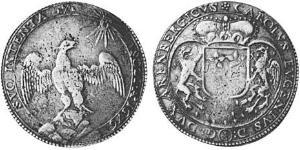
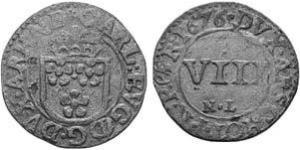
La numismática refleja fielmente el estatus político de un gobernante. En tiempos donde las monedas locales sirvían para legitimar la autoridad, personajes como Carlos Eugenio aparecieron frecuentemente en acuñaciones asociadas a condados o principados vinculados al Imperio. Su imagen simbolizaba la lealtad feudal y el reconocimiento imperial.
- Las piezas emitidas durante su tenencia del ducado reflejan las políticas monetarias austriacas de mediados del siglo XVII.
- Las acuñaciones conectan con los grandes eventos diplomáticos que estabilizaron la región antes de conflictos mayores.
Para el coleccionista, estas piezas ofrecen una ventana directa a cómo se comunicaba y legitimaba un noble dentro del imperio universalmente conectado. La rareza de monedas locales vinculadas a casas nobles como esta aumenta su valor histórico más allá de la fluctuación económica actual.
Vínculos duraderos con los coleccionistas
Coleccionar estas referencias no es solo acumular metal, sino preservar historias que conectan Europa del Norte y el Imperio Español. La calidad artística de las acuñaciones bajo su patronazgo ilustra el renacimiento artístico en contextos imperiales.