

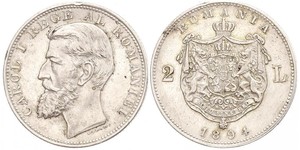

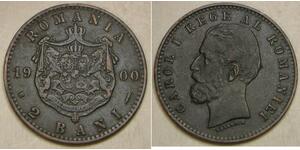
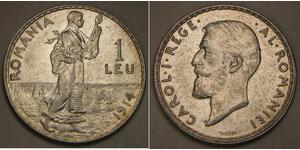
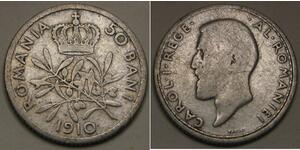
| Carol I of Romania (1839 - 1914) | Link to Wikipedia |
Carol I of Romania (1839 – 1914): History and Coinage
The Architect of Independence
Karol Eitel Friedrich Zephyrinus Ludwig von Hohenzollern-Sigmaringen, known historically as Carol I, fundamentally transformed the political landscape of Eastern Europe. Arriving from a European royal pedigree in 1866 during a period of national instability, he navigated Romania toward full sovereignty against great power opposition. His leadership defined an era where the nation transitioned from principalities into the Kingdom of Romania after his coronation on March 26, 1881.
Born in Sigmaringen to a Catholic family with Prussian ties but also linked by marriage and lineage to French imperial heritage through Stéphanie de Beauharnais, he arrived as an officer rather than a politician. His tenure began after the overthrow of Alexandru Ioan Cuza during political chaos. Under his administration, Romania signed treaties that secured international recognition following conflicts with Ottoman forces. Domestically, while industrialization advanced significantly to integrate into European markets, major societal challenges remained unresolved until later years.
The Numismatic Legacy
Coinage depicting this monarch serves as a tangible record of his ascension and status change. During his tenure as Prince or Domnitor, early currency emphasized the emerging stability required by the 1866 Constitution, while subsequent issues following his elevation to King featured crowns replacing princely headgear.
The portraits found on Romanian coins bear witness to modernization efforts initiated under royal supervision. Carol I was personally involved in military and industrial policy that accompanied currency reform programs designed to stabilize finances during infrastructure expansion. Collectors often encounter pieces minted in Bucharest or Iași, representing a unique intersection of Balkan history and European monarchism.
Collector Significance
Pieces featuring Carol I hold particular appeal for historical numismatists due to their direct connection with the genesis of a modern nation. The transition from domestic rule to international independence is etched into metal, making these issues rare and contextually significant outside standard circulation.
- Sovereign Milestones: Marks critical shifts in status, such as 1866 accession versus kingship elevation that altered minting standards.
- Cultural Context: Often depicts a ruler adopting local customs and language to honor the populace after initially swearing oaths only in French or German.
- Rarity and Condition: Early issues often possess limited survival rates, enhancing their desirability for specialized collections focused on constitutional history or Balkan monarchy transitions.
This connection between sovereign biography and metal circulation allows enthusiasts to trace the narrative of a state's maturation. Understanding these designs provides insight into how Carol I secured his legacy beyond mere titles, ensuring that physical currency remained one way he enshrined national sovereignty for future generations.


