| Carl Auer von Welsbach | Link to Wikipedia |
Carl Auer von Welsbach (1858-1929): History and Coinage
In the annals of Vienna’s scientific history, few names stand as brightly lit as Carl Auer Freiherr von Welsbach. An Austrian scientist and inventor born in 1858, he transformed modern life through his mastery over rare-earth chemistry. His ability to separate didymium into neodymium and praseodymium revolutionized the optical industry, while his innovations in gas mantles and metal-filament bulbs replaced darkness with electric light for centuries of households.
The Intersection of Science and Numismatics
To understand Auer von Welsbach’s connection to coinage requires looking beyond circulation currency. During the era of Emperor Franz Joseph I, standard Austrian coins featured imperial portraits rather than industrial innovators. However, after World War I and the transition to the First Republic, Austria began commemorating its national figures through specialized numismatic issues.
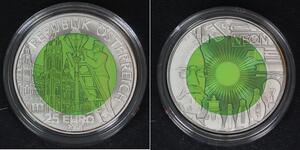
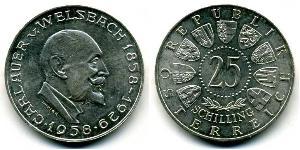
Auer von Welsbach did not appear on daily change during his lifetime; circulation coinage remained reserved for monarchs or generic state symbols. His presence in a collector’s portfolio is found primarily within commemorative medals and special release strikes, often minted to celebrate the anniversary of Actinophor discovery or advancements in lighting technology. These pieces were typically struck by Vienna or other Austrian mints during mid-century years honoring heritage.
Collectors interested in Auer von Welsbach seek these specific issues rather than everyday currency. The coins are issued posthumously, linking the legacy of his chemical innovations with modern industrial history. This distinction is vital for any beginner exploring scientific numismatics; unlike political figures who governed nations, scientists appear on coinage only when a state chooses to honor their intellectual contribution as part of its national identity.
The Appeal to Collectors
For the modern hobbyist, these specialized issues offer unique educational value. Owning a piece depicting Auer von Welsbach provides insight into the industrial might and scientific pride of Austria during periods when such figures were celebrated alongside traditional state heroes.
- Rarity: As commemorative rather than circulating coins, production runs are significantly lower, making these items distinctive additions to specialized collections.
- Historical Context: These pieces serve as tangible evidence of Austria’s transition from monarchy to a republic emphasizing science and industry over royalty in its public face.
- Treacherous Metals: The association with the chemical elements he discovered adds an intriguing educational layer, particularly for collectors interested in chemistry-related memorabilia.
Auer von Welsbach remains a towering figure of Viennese culture. While his face may not appear on your wallet change, finding him on a commemorative medal or special issue connects you directly to the history of innovation that illuminated the streets of Europe long before modern LEDs existed.