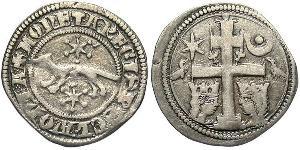
| Béla IV of Hungary (1206 - 1270) | Link to Wikipedia |
Béla IV of Hungary (1206–1270): History and Coinage
A Legacy of Resurrection
Béla IV was a pivotal monarch whose reign defined the resilience of medieval Europe following catastrophe. As King of Hungary, he faced one of the greatest existential threats to any kingdom in Christendom: the Mongol invasion of 1241 and 1242. While many contemporaries fled or died under siege, Béla survived only by escaping his army’s destruction at Mohi. His legacy is defined not merely by survival, but by active reconstruction.
Historical records highlight him as a ruler who prioritized fortification and population recovery in the devastated plains of eastern Hungary. He famously encouraged settlement from Germany and Poland to repopulate ruined cities. This aggressive policy revitalized royal estates previously granted away by his father. By centralizing authority after years of fragmented governance under Andrew II, Béla became known as a restorer of statehood, effectively functioning as the second founder of Hungarian identity.
The Numismatic Authority
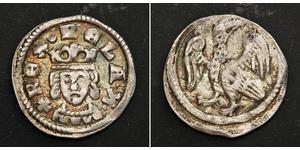
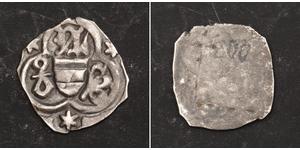
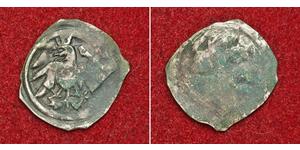
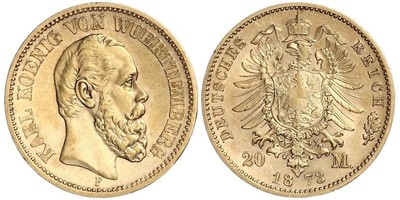
During this turbulent era, coinage served as a tangible assertion of sovereignty. The kingdom issued currency that displayed the young king and later his successors to validate legal tender across shifting political landscapes. Although medieval minting standards varied significantly compared to modern times, gold and silver issues bearing royal imagery were central to economic stability.
Béla’s portrait or name on a coin was intentional propaganda of sorts. It signaled continuity despite the devastation caused by foreign hordes. Following his coronation as an infant in 1214, he faced constant challenges from nobles who opposed early monarchical power. The issuance of currency reinforced his claim to the throne even when traditional support wavered. As the Mongol threat persisted for decades after his invasion attempt failed against him militarily but succeeded politically by destroying resources, every coin circulated in Hungary carried a subtle reminder of Béla’s ability to rebuild.
Rarity and Historical Interest
For collectors seeking pieces from this period, coins featuring Béla represent more than metal value; they are artifacts of survival. The scarcity of surviving examples from the early thirteenth century reflects how coin circulation was halted or disrupted by war.
- Rarity: Pieces minted before and after 1241 vary greatly in quality, making post-reinvasion issues particularly compelling for specialists.
- Narrative Value: Each piece connects the holder to a period of radical reform where new stone fortresses rose from ashes.
Béla IV remains a subject of great interest in medieval numismatics because his rule transformed Hungary into a more defensible and centralized state. Collectors are drawn to these pieces for their ability to tell the story of recovery. The coinage captures a moment where a kingdom chose rebuilding over surrender, offering valuable educational insight into how currency functioned during times of crisis.