| Béla Bartók | Link to Wikipedia |
Béla Bartók (1881–1945): History and Coinage
In the pantheon of twentieth-century music, few figures command as much reverence or historical weight as Béla Viktor János Bartók. Born on March 25 in a town within Austria-Hungary, present-day Romania, he rose from humble musical beginnings to become an ethnomusicologist and modernist master.
Bartók was a pioneer who bridged traditional folk traditions with avant-garde composition styles during his lifetime between the late nineteenth century until 1945. His work combined classical forms with unorthodox scales, heavily influenced by authentic Hungarian peasant melodies he collected alongside Zoltán Kodály. Through this synthesis of national culture and modernism, Bartók established himself as one of Hungary's greatest composers.
The Relationship Between Art and Coinage
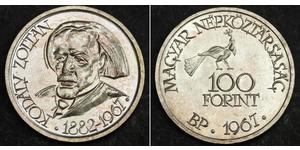
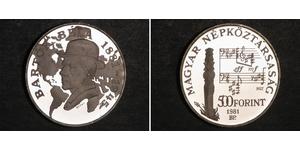
Bartók did not appear on sovereign circulating currency during his lifetime because governments often prioritize political leaders or monetary standards for daily use. Instead, his image was utilized in posthumous numismatic tributes issued by Hungary following World War II.
Collectors should understand that these pieces were generally released as commemorative issues rather than standard circulation items like quarters or pennies. The state minted silver and gold proofs to honor national heritage figures during periods dedicated to celebrating Hungarian arts after political transitions in the mid-twentieth century. These coins often circulated only among collectors before entering specialized numismatic catalogs, distinguishing them from everyday economic currency.
Numismatic Appeal for Collectors
Gathering these items offers history enthusiasts a tangible connection to Hungary’s cultural renaissance and its struggle to define identity after global conflict. While not common in daily use, collectors prize Bartók issues because they are often minted in limited quantities compared to mass-produced bullion or circulation coins.
- Cultural Significance: These pieces serve as historical records of how nations commemorate their artistic icons during state-building efforts and cultural restoration periods following war.
Finding these issues helps enthusiasts understand the physical preservation of music history. They are particularly valuable within specialized modern collections that focus on composers who redefined harmonic language while maintaining deep ties to rural folk traditions, providing a unique numismatic bridge between artistry and commerce.