| Boris III of Bulgaria | Link to Wikipedia |
Boris III of Bulgaria (30 January 1894 – 2 August 1943): History and Coinage
The reign of Tsar Boris III stands as a defining chapter for the Third Bulgarian Kingdom during one of its most perilous eras. Accessing the throne following his father's abdation in October 1918, he assumed leadership at age twenty-five amidst severe geopolitical contraction and war reparations. Rather than remaining aloof from these challenges, Boris cultivated an image of a dedicated military leader who personally encouraged morale among the troops during World War I. His tenure was characterized by navigating national integrity between Allied demands and Axis influence while maintaining domestic stability against rising nationalist movements.
Ruling in Bronze
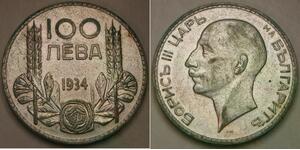
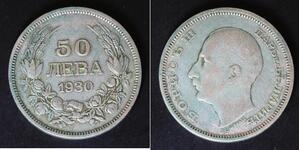
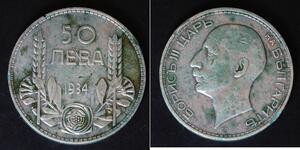
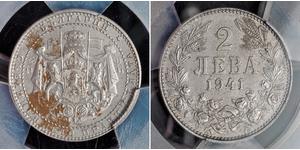
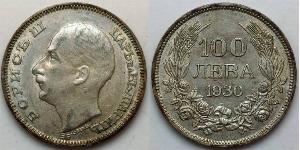
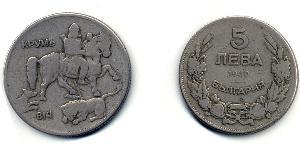
The numismatic legacy of his rule reflects this complex era. During Boris's lifetime, Bulgarian state banks issued various denominations featuring the Tsar's portrait to denote sovereignty under a unified monarchy. These issues served as tangible symbols of national continuity following the massive territorial losses mandated by the Treaty of Neuilly. The currency circulated during periods when Bulgaria attempted reconstruction while adhering to strict economic controls and later aligning with external powers during World War II.
Beyond sovereign coinage, numismatists often find interest in commemorative pieces issued after his passing that honor his life as a soldier-king. These designs frequently emphasize military attire or formal court regalia rather than the casual demeanor depicted on contemporary currency. Collectors observe how these images were intended to project strength and resilience during years of diplomatic isolation and external occupation pressure.
The Collector’s Perspective
For history enthusiasts, coins depicting this Tsar offer a unique tangible connection to 19th-century European aristocracy evolving into the modern nation-state. Rarity is often driven by low production numbers necessary during wartime economies where metal conservation was prioritized over circulation volume.
The appeal extends beyond simple scarcity; these items represent the final era of absolute monarchy in Bulgaria before a socialist revolution changed the country's political landscape permanently. They provide insight into military history and economic hardship without requiring advanced study to appreciate their significance. For those exploring Balkan collections, locating a piece from his reign offers an opportunity to hold a physical artifact that witnessed major geopolitical shifts across Southeast Europe.