| Beatrix of the Netherlands | Link to Wikipedia |
Beatrix of the Netherlands (b. 1938): History and Coinage
In modern European royal history, Queen Beatrix stands as a pivotal figure who guided her nation through significant constitutional changes. Born in 1938 during the reign of her grandmother, she ascended to the throne after her mother abdicated following World War II exile and its aftermath. Her thirty-three-year tenure was defined by national unity during turbulent times, including the restructuring of Caribbean territories within their kingdom. As a monarch who prioritized connection over ceremony, Beatrix represents a modern era where the Crown served as an unifying symbol rather than a political power center.
The Portrait on Paper and Metal
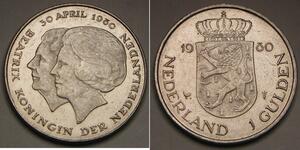
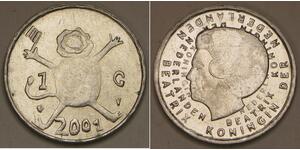
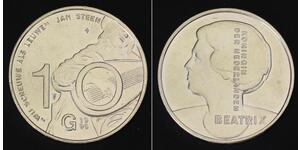
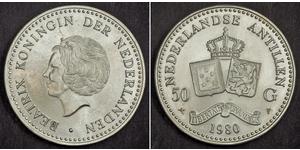
During her reign, various state institutions minted coinage featuring her likeness. While standard circulation currency in Europe has largely moved away from monarchical portraits with the Euro's introduction, specific Dutch Florin banknotes and coins pre-date this transition and carried royal imagery. Beatrix appeared on official tender during a time when monetary sovereignty was shifting globally. Her image represented political stability amidst events like Aruba’s secession or regional administrative reforms in 2010. Numismatic experts often trace these issues back to the final era of the Dutch Gulden before European standardization.
The decision to place her portrait on currency stems from constitutional requirements for head-of-state representation at that time. Collectors interested in mid-20th-century statecraft view these pieces as tangible records of a family’s continuity across centuries. Furthermore, commemorative medals issued during the late 1960s through the early 2000s frequently depicted her alongside Prince Claus, capturing public sentiment regarding their controversial but enduring marriage.
The Value for Collectors
Possessing coins featuring Beatrix of the Netherlands offers a unique window into the evolution of constitutional monarchy in Western Europe. Enthusiasts are drawn to these items because they encapsulate a specific period where traditional royalty coexisted with rapid modernization and social reform.
- Historical Context: These issues allow collectors to study how a nation transitioned from the Cold War era into a fully integrated European economy without losing its cultural identity.
- Rarity: Early silver proof sets issued alongside high-profile family events often command interest due to their connection with royal milestones like international diplomatic visits or major legislative anniversaries.
For the novice collector, these pieces provide a gateway into understanding how currency serves as historical documentation. By examining Beatrix's portraits on metal and paper, one sees not just an individual’s face but the reflection of national pride during her final decade as reigning monarch before stepping aside for her son in 2013.