
| Aurelian (215-275) | Link to Wikipedia |
Aurelian (c. 214 – c. November 275): History and Coinage
In the annals of Roman history, few figures stand as tall as Aurelian during a period known for collapse rather than conquest. Born into modest circumstances in Moesia Superior around 214 AD, he rose from humble origins to become one of the most capable military leaders of his time. When the empire teetered on disintegration following years of civil strife and barbarian pressure between 235 and 270, Aurelian stepped forward as a decisive ruler. His command during this turbulent era earned him enduring recognition as Restitutor Orbis, or Restorer of the World, for successfully reuniting divided territories after defeating usurpers in Gaul and Palmyra.
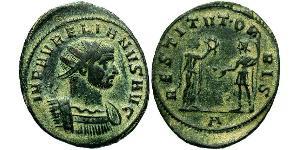
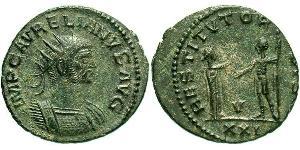
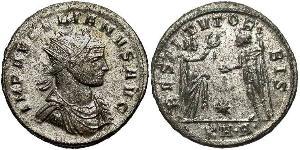
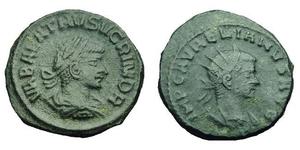
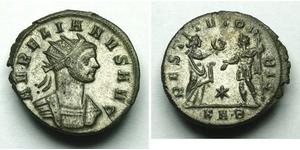
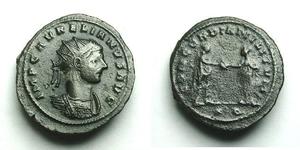
Aurelian was depicted on coins primarily by his own administration across Rome and Constantinople between 270 and 275 AD. Unlike previous emperors whose imagery often focused solely on traditional military tropes, Aurelian's coinage began to emphasize spiritual authority alongside martial might due to his promotion of the sun god Sol Invictus. These issues served as vital propaganda tools during a time when restoring economic stability was just as crucial as winning battles. The historical circumstances surrounding these metal pieces are significant because they were minted while he implemented monetary reforms designed to stop currency devaluation, directly influencing how ancient coins from this era were struck and preserved.
Coin collectors find Aurelian's artifacts valuable primarily for their educational narrative rather than financial speculation alone. Each specimen provides tangible evidence of the transition away from Crisis rule toward a stabilized imperial order under Diocletian later in history. The rarity of these pieces is compounded by survival rates; many coins survive because they were cast and circulated during an era where copper alloys dominated, making high-quality silver examples extremely scarce for beginners to identify. Beyond aesthetic quality, enthusiasts study the iconography to understand how emperors projected legitimacy through art.
The historical importance of these portraits cannot be overstated, as they capture a unique moment when imperial power was rebuilt from near ruin. Collecting Aurelian's denarius or radiate connects hobbyists directly with material culture that bound divided populations back together under one banner. For those exploring specialized collections focusing on late Roman military history, this figure provides the perfect entry point into understanding how coinage functioned as a bridge between political reform and public morale.
- Rarity: High demand due to limited survival of high-quality specimens from crisis era.
- Historical Context: Direct evidence of monetary reforms and reunification efforts.
- Educational Value: Demonstrates the evolution of imperial iconography during a critical period.


