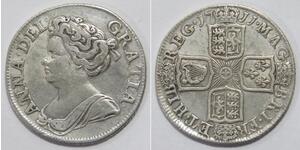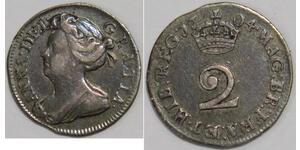
| Anne, Queen of Great Britain (1665-1714) | Link to Wikipedia |
Anne, Queen of Great Britain (1665–1714): History and Coinage
Sixteen years after the restoration of order following William III’s campaigns in Europe brought him home to rule with his wife Mary, Anne ascended to the throne as sovereign of England. Her accession marked a delicate transition for European politics; she became the last monarch from the House of Stuart before the Hanoverians took control.
Anne is historically significant not merely because she was female royalty in an era where hereditary right usually defaulted through males, but also due to the stability she brought during turbulent times. Her reign covered a crucial period known as the War of Spanish Succession and saw the formal union between England and Scotland via the Acts of Union 1707.
The Connection Between Queen Anne and Royal Currency
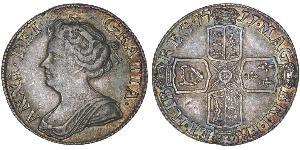
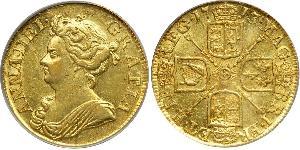
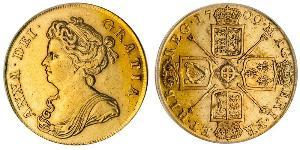
Mint officials struck coins featuring her portrait in silver, brass, and later gold. Before the 1708 Act for Great Britain coinage integration—which required all mints to produce identical English shillings—English monarchs often produced currency that displayed their sovereign's image alongside that of Scottish or Irish counterparts.
The most common denominations issued during her rule were crowns, half-crowns, and sixpences. Collectors are primarily looking for silver issues from the 1702–1714 period because these coins reflect the immediate aftermath of a dynastic shift where William III had been ruling alone until Anne succeeded.
The imagery on her currency evolved significantly over time to emphasize political alliances, specifically those with France and Denmark. For example, French-inspired designs for half-crowns appeared after 1708 due to ongoing conflicts, while the Great Britain Union Crowns introduced a new era of unified iconography in the late years of the monarch.
Why Collectors Seek These Issues
The appeal of Queen Anne’s currency extends beyond artistic merit. Her short reign produced fewer silver issues than her predecessors or successors, creating scarcity among specific dates and mint marks found on high-value pieces like crowns and half-crowns.
- Rarity:
- Narrative Context:
- Sovereign Authority:
- American Colonial Currency:
Certain early English coins were only struck before the transition to unified Great Britain coinage. Collectors prize those with clear provenance from this transitional period as they represent a unique political moment in numismatic history where two kingdoms shared an issuing authority under one head.
The reverse designs often bear legends such "Carolus II" on coins struck during William and Mary's reign, but Anne’s portrait replaces this entirely after 1702. The change in coinage provides a tangible timeline of political shifts that students or history enthusiasts can hold.
The use of her image on currency serves as an assertion of power during the early succession period following William III’s death and Mary’s earlier passing. Collectors value these issues for their ability to link physical metal with pivotal historical narratives regarding European peace treaties and royal successions.
Coinage depicting her likeness also appears in colonial contexts like New Hampshire or Rhode Island, which sometimes struck copper pennies bearing the effigy of Anne. These rare finds are prized by specialists who understand how currency usage extended across the British Empire.
In conclusion, coins featuring Queen Anne offer a compact entry into early 18th-century history and economics. They serve as small historical artifacts that preserve details about diplomatic alliances and artistic design trends from an age where metal circulated through daily life before paper money became widespread in Europe.