| Anna Ivanovna (1693-1740) | Link to Wikipedia |
Anna Ioannovna: 1693–1740 History and Coinage
The Empress of Transition:
Anna Ioannovna occupies a pivotal position in Russian history as the sovereign who stabilized the Empire following the death of Tsar Peter II. Born into a dynasty defined by succession crises, she was raised initially in an environment emphasizing strict virtue but later found refuge within St Petersburg's opulent courts under her uncle Peter I’s influence. After marrying Duke Frederick William and ruling Courland for nearly two decades as Regent before his early death, Anna ascended the Russian throne in 1730 following a male-line extinction of the Romanov dynasty. While political factions initially drafted conditions restricting her power from St Petersburg's Supreme Privy Council to prevent foreign influence, she swiftly dissolved that governing body upon arrival. Her reign is often characterized by domestic stability and diplomatic caution rather than radical reform, effectively bridging the gap between Peter’s westernizing vision and traditional Muscovite interests.
Coinage Connection
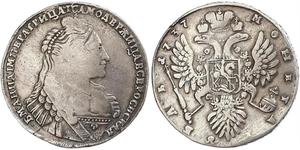
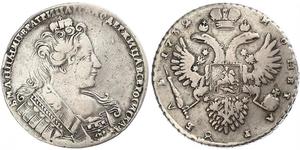
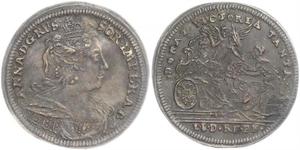
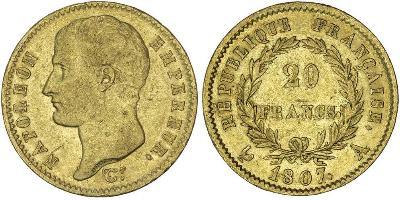
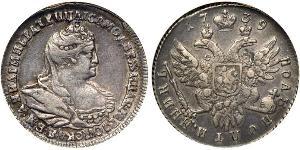
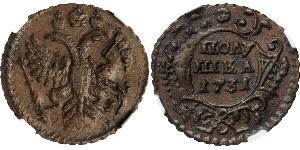
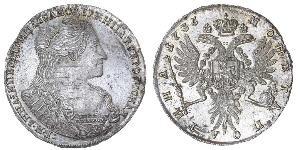
The numismatic legacy of Anna Ioannovna primarily consists of silver denominations issued at St. Petersburg mints during her sole rule from 1730 to 1740, although earlier pieces were struck for Duchy administration in Courland and later regions like the Baltic provinces. These coins serve as physical evidence of Russia’s cultural evolution post-Peter I, featuring iconography that blended traditional Orthodox motifs with European baroque styles introduced during her early reigns abroad or through familial legacy. While gold issues are less common compared to silver denominations such as the rouble and poltina circulated widely in commerce, these artifacts validate her authority against internal rivals who contested her succession rights following Peter II's smallpox death.
The Collector’s Perspective
Numismatists value pieces from this specific era for their scarcity within the broader Imperial Russian series and connection to a volatile political transition. The historical narrative behind each piece connects metalwork directly to geopolitical stability maintained before her sister Catherine II succeeded, making these items valuable educational tools regarding eighteenth-century identity formation without relying on modern market fluctuations. Understanding the political weight Anna carried allows collectors to recognize why fewer issues were minted specifically under her name compared to later emperors like Elizabeth or Peter III.