| Andronikos III Palaiologos (1297-1341) | Link to Wikipedia |
Andronikos III Palaiologos (1297–1341) History and Coinage
Who was Andronikos III?
In the annals of late medieval history, few figures stand as dramatically poised between restoration and decline. Andronikos III Palaiologos served as Byzantine Emperor from 1328 to his death in 1341. Born into a fractured empire torn by dynastic rivalry with his own grandfather, he rose through rebellion—ousting the elderly ruler of Constantinople—and briefly restored order before succumbing to Ottoman expansion.
The Restoration and The Fall
His reign is historically significant as it marked one of the last periods where Byzantine sovereignty was actively contested in the Balkans. While his earlier years were defined by civil conflict with Andronikos II, he eventually achieved a brief respite that allowed for military recoveries on islands such as Chios and Lesbos. Yet, the victory proved ephemeral; his death triggered a catastrophic civil war between two factions: those loyal to him (his widow) versus supporters of John VI Kantakouzenos. This period is crucial because it represents the twilight era where Byzantine gold standards still functioned amidst political chaos.
The Coins
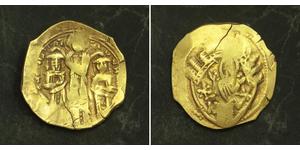
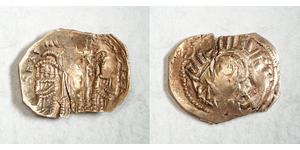
Coinage issued during Andronikos III’s reign, particularly post-1328 when he ruled as sole emperor, was produced primarily in Constantinople. The most notable issues were high-value denominations such as the double dinar or hyperpyra. These coins featured his portrait alongside imperial symbols of state authority.
The decision to place Andronikos III's image on currency served a practical purpose: it projected legitimacy during times when political factions frequently challenged central power. Furthermore, these coins circulated beyond Byzantine borders as part of extensive trade networks with the Italian maritime republics (Genoa and Venice) and other Mediterranean powers.
The Collector’s Perspective
For modern collectors and historians alike, finding a piece struck during Andronikos III's rule offers more than monetary intrigue. It serves as a tangible link to the final centuries of Roman governance in Constantinople before the Ottoman conquest. While these issues can be elusive due to historical hoarding from later periods of empire instability—specifically following 1453, and often surviving only in exceptional conditions—they remain highly prized for their numismatic rarity.
Anchored by significant events like the Battle of Nicopolis or internal political shifts within his court, Andronikos III's coins provide a window into an era where Byzantine resilience was tested. They are not merely metal discs but historical artifacts that validate a fleeting moment when the empire seemed poised to hold back its decline before ultimately succumbing.