| Alexander of Battenberg | Link to Wikipedia |
Alexander of Battenberg (1857–1893): History and Coinage
Alexander Joseph, known historically as Alexander I or Prince Alexandar, stands as a foundational figure in modern Balkan history. As the first Knyaz of autonomous Bulgaria from 1879 to 1886, he navigated a perilous geopolitical landscape where Bulgarian nationalism was constrained by Russian and Ottoman suzerainty.
A Legacy of Unification
Born in Russia but raised with ties to German royalty via his uncle Tsar Alexander II, Prince Alexander arrived at Veliko Tarnovo as a young man. Initially viewed through the lens of Great Power diplomacy, he faced constant pressure from Russian generals who sought a weak ruler. Despite internal strife and diplomatic friction that eventually led to his forced abdication in 1886 under pro-Russian influence, his reign was pivotal.
The most significant achievement occurred during his rule: the unification of Bulgaria with Eastern Rumelia in 1885. He successfully rallied a national army against Serbian forces near Sofia, securing independence and expanding territory before diplomatic pressure forced him to yield the throne back to Stambolov's government and subsequently Russian authority. His departure from active power occurred after being detained by officers loyal to Saint Petersburg.
The Numismatic Record
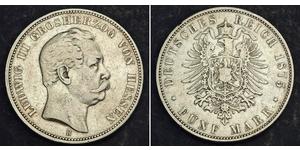
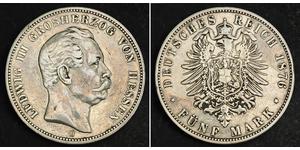
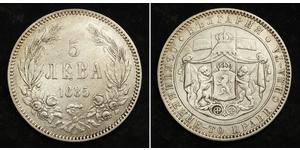
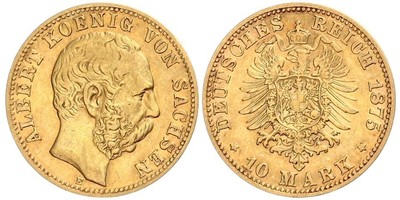
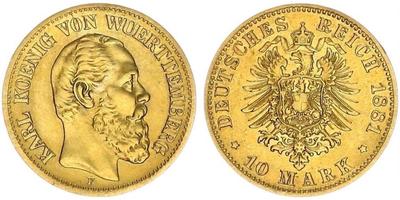
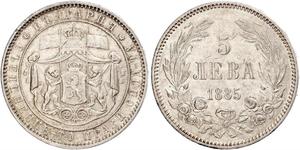
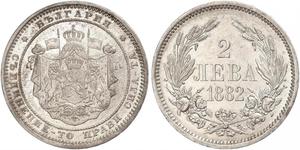
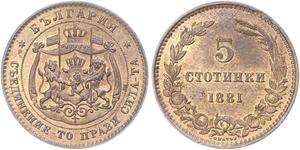
Coinage during this era served more than just economic function; it was a political statement of sovereignty. The Principality of Bulgaria issued silver and gold coins bearing his profile, asserting autonomy within the international order established by the Treaty of Berlin.
- Era: Issues generally date between 1879 and 1886.
- Typeology: Designs typically featured heraldic motifs or imperial portraits, reflecting his noble status as a Battenberg prince linked to the Hesse lineage.
The transition from Russian-issued currency to distinct Bulgarian issues marks Alexander's effort to standardize trade and national identity. However, following the 1885 unification with Eastern Rumelia, coinage styles began incorporating imagery of that southern province as well under his dual rule.
An Appeal for Collectors
Fellow enthusiasts will find pieces depicting Alexander to be essential for understanding modern Bulgarian state formation. While not always common in general circulation due to low production volumes, early examples provide tangible evidence of a fragile new nation finding its feet.
- Rarity: Circulation issues from his brief tenure can be scarce compared to standard Ottoman or later Kingdom coins.
The artistic simplicity contrasts with the complex political narratives surrounding the minting authority, making these items fascinating educational tools for numismatists who wish to trace the path of a kingdom emerging under heavy foreign surveillance. Examining their wear and patina reveals layers of diplomatic tension frozen in metal form.