| Alexander I of Serbia | Link to Wikipedia |
Alexander I (1876–1903): Life, Reign, and Coinage
Introduction
King Alexander I was a pivotal figure in modern Serbian history who ascended to the throne as a teenager following his father’s abdication during the late nineteenth century. His reign marked an era characterized by significant political tension between emerging liberal reform efforts and entrenched conservative military factions within the army. Ultimately, his tragic end through assassination remains one of the most dramatic moments leading up to regime changes that would eventually culminate in World War I. For historians studying European state formation during this volatile period, understanding Alexander’s tenure provides essential context regarding geopolitical instability often associated with Balkan nationalism and shifting great power interests between Vienna and St Petersburg at dawn of twentieth century.
Relationship to Coinage
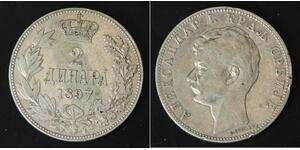
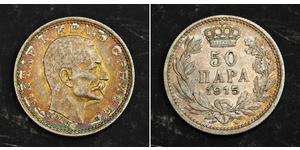
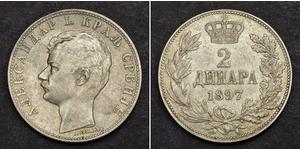
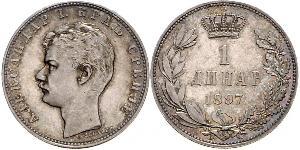
The Kingdom of Serbia issued currency bearing Alexander’s likeness throughout the Obrenović dynasty era. Mintages circulated during his rule typically featured standard monarchal portraiture, often utilizing gold or silver for high denominations intended for international trade while copper handled local transactions within Belgrade and other provinces. Coins depicting him were designed to project national unity and sovereign authority during a time when he navigated complex relations with Austria-Hungary and the Russian Empire. Although minting ceased following his sudden death in 1903, numismatists note that coins from this specific reign serve as physical records of political transitions between regency councils and constitutional reforms enacted before the coup d’etat occurred.
Why Collectors Value These Coins
Enthusiasts seek these pieces for their connection to critical historical narratives, particularly those concerning state sovereignty in Europe prior to 1903. The brevity of his independent rule results in a distinct numismatic footprint that differs from longer reigns, offering rarity potential based on specific mint dates and condition grades found today. Beyond market metrics, the allure lies in their artistic craftsmanship which reflects late nineteenth-century engraving techniques used before modern industrial production fully dominated Balkan mints. Furthermore, these artifacts invite collectors to hold tangible history related to a monarchy that ended abruptly under mysterious circumstances associated with underground revolutionary organizations like the Black Hand society later implicated during subsequent global conflicts.