


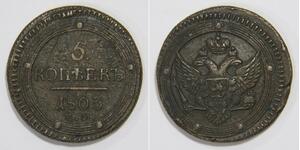
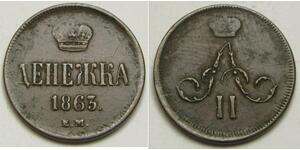
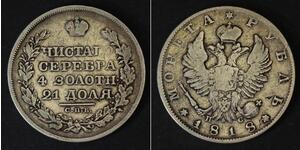
| Alexander I of Russia (1777-1825) | Link to Wikipedia |
Alexander I of Russia (1777–1825): History and Coinage
Welcome to an examination of the reign of Emperor Alexander, whose leadership coincided with one of Europe's most turbulent centuries. Born in 1777 and reigning until his death in 1825, he is remembered for successfully navigating Russia through war while attempting to modernize its institutions.
The Connection Between Empire and Currency
Alexander’s image found a permanent place on silver denominations struck across the vast Russian territories. Unlike ancient rulers whose portraits were stylized gods or mythological figures, Alexander depicted himself as an active military leader facing right toward his subjects.
- The Imperial Era: During his life (1801–1825), he was featured on standard silver rubles and smaller coins. These issues were crucial for stabilizing the economy during wartime inflation caused by conflict in 1812.
- Congress Poland Issues: Following the formation of his kingdom there, specific coinage circulated among Polish subjects while still referencing Russian allegiance through dual titles and inscriptions reflecting his unique royal position.
The Educational Value for Numismatists
Beyond monetary function, these coins offer collectors a window into the shifting dynamics of European power. They often bear dates that align with treaties signed between London and Paris or St Petersburg’s own diplomatic maneuvers.
- Rarity: Specific mint years from 1805 to 1814 are prized because they represent a transitional period in currency standards, offering insight into how war impacts economic infrastructure.
- Cultural Heritage: Collecting these pieces helps enthusiasts understand the transition of Russia’s coinage design away from purely traditional iconography toward Western European artistic trends promoted during his reign's early years.
In summary, Alexander I serves as an essential anchor for understanding 19th-century numismatics. Whether holding a piece struck under Moscow authority or one commemorating Polish independence aspirations within the empire, these artifacts allow modern observers to grasp how political upheaval was physically manifested in everyday metal.


