| Alexander II of Russia (1818-1881) | Link to Wikipedia |
Alexander II of Russia (1818–1881): History and Coinage
Historical Significance
Alexander II reigned over the Russian Empire during a transformative period defined by both internal upheaval and external diplomacy. Known affectionately as Alexander the Liberator, he ascended to the throne following his father Nicholas I at a time of national introspection after the Crimean War failure. His primary historical legacy rests on the 1861 Edict of Emancipation, which officially abolished serfdom across the empire. This monumental act fundamentally altered Russian society by freeing millions of peasants from feudal bondage and redefining the relationship between the state and its population.
The Portrait in Numismatics
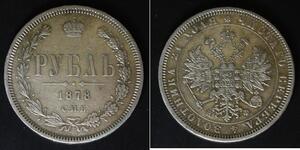
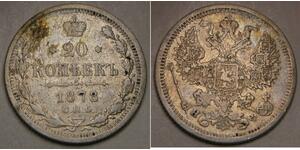
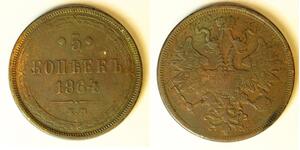
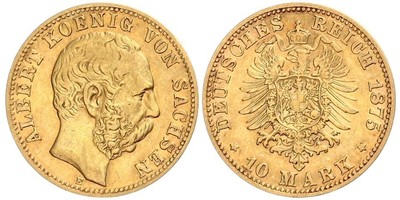
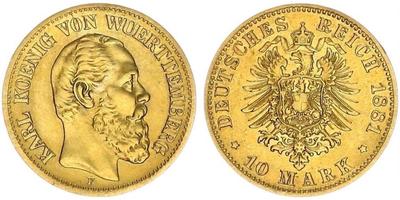
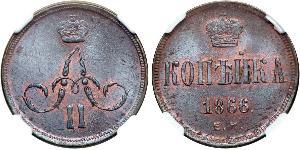
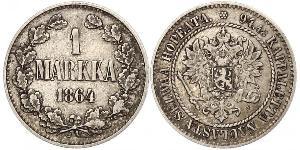
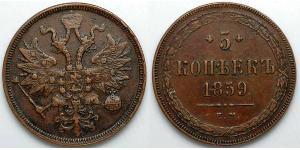
Coinage issued during his reign serves as a direct historical artifact documenting this liberalizing shift. Imperial Russia maintained strict autocratic traditions, using portrait coins to project imperial legitimacy. Following Nicholas I, who had imposed heavy censorship and reactionary policies on the populace, Alexander II utilized coin design opportunities to signal hope for civic order rather than fear of progress.
Currency minted during his lifetime typically featured classical imagery intended to portray a benevolent yet authoritative ruler. However, numismatic types from 1865 onward show subtle changes; as public confidence eroded following assassination attempts and Polish uprisings, the state began shifting toward more conservative iconography in preparation for succession by Alexander III.
Collections and Historical Value
Serious historians and collectors value these specimens primarily because they anchor late imperial Russia within a specific socio-political timeline. A coin minted after 1860 offers insight into the tension between reformist ideology and traditional autocracy. Collectors are drawn to pieces not merely for their composition, but as tangible proof of state evolution during critical decades.
Possessing such imagery allows enthusiasts to study how a government visually communicated its power base to merchants and soldiers alike. While market values fluctuate based on condition and rarity, the enduring appeal lies in their ability to connect modern viewers with one of history's most significant legislative acts. Understanding these medals helps contextualize why later imperial reforms failed or succeeded, offering an educational bridge between historical biography and tangible numismatic culture.