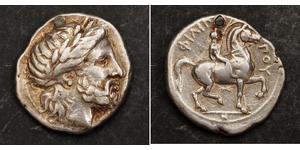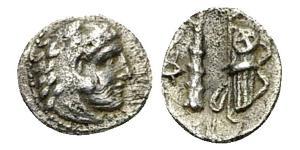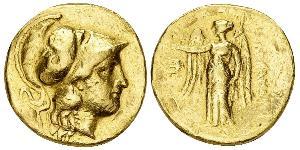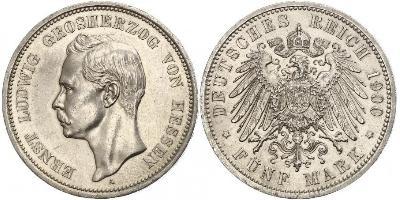
| Alexander III of Macedon (356BC-323BC) | Link to Wikipedia |
Alexander III of Macedon (356 BC – 323 BC): History and Coinage
The ascent of Alexander, known to history as "Alexander the Great," represents a singular chapter where ancient Greek civilization collided with that of the East during an age of unprecedented expansion. Born in Pella around July 356 BC, he was raised under the tutelage of Aristotle at Mieza before succeeding his father Philip II on his twentieth birthday. His military career spanned less than two decades yet created a vast empire stretching from Greece to the Indus River.
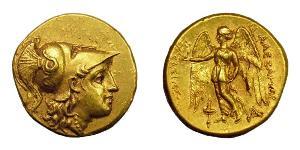
Alexander died in Babylon unexpectedly just after turning thirty-five, leaving an enormous legacy and triggering immediate political fragmentation among the Diadochi—his "Successors." For coin collectors today, his story is deeply intertwined with monetary history. While few coins bearing Alexander’s portrait were minted during his actual reign, as most issues originated from city-states paying for campaigns rather than a centralized treasury at that early stage of conquest, he became one of the first Western kings to appear on gold currency in the Hellenistic world.
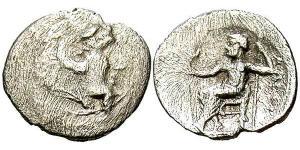
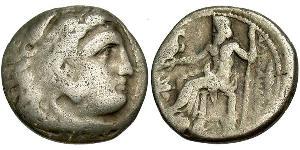
The transition from coinage depicting traditional Greek gods and local rulers under Alexander's father to portraits influenced by Eastern deities reflected his policy of syncretism. After Alexander’s death, every successor claimed a lineage or divine right derived from him, flooding ancient markets with imitative silver tetradrachms that carried Macedonian iconography into Egypt, Asia Minor, and beyond.
The Relationship to Coinage
Coin collectors often encounter the image of Alexander associated not just by his name but through imagery inherited later. The coin types were designed for political legitimacy; in a new empire composed of diverse subject peoples like the Persians or Egyptians, bearing the likeness of their king was essential for trade and loyalty. This practice solidified Greek language (the koine) as a lingua franca across these regions.
A Collector's Perspective
The allure for numismatists lies in seeing this ancient figure on physical media from antiquity to the modern era. The earliest issues are incredibly rare, but coins struck by his generals and successors—such as those minted at Antioch or Tyre—are widely available yet carry high historical weight. They represent a blend of styles where Persian draperies meet Greek artistic traditions.
- Rarity: Genuine silver tetradrachms from the period of Alexander are among the most desirable ancient coins due to their age and condition sensitivity.
- Cultural Fusion: Coins minted after his death illustrate how Hellenistic art merged with local customs, offering insight into early imperial iconography.
To hold a coin featuring this king is not merely owning metal; it is possessing a physical link to the moment world history shifted from city-state warfare to dynastic empire. For anyone exploring ancient numismatics, these issues offer an educational bridge between political biography and artistic evolution in antiquity.