| Albert, Duke of Prussia | Link to Wikipedia |
Albert of Prussia (1490–1568): History and Coinage
Sitting at the crossroads of medieval chivalry and modern statehood, Albert von Preußen stands as a pivotal figure in Central European history. Born into the House of Hohenzollern branch of Brandenburg-Ansbach, he inherited responsibilities that would ultimately transform a military monastic order into a secular duchy around 1525.
His historical significance lies in his unique position: first converting to Lutheranism and subsequently establishing it as state law for the Teutonic Order's territories. This act was not merely religious; it required securing political autonomy from both the Pope and Emperor Charles V while maintaining feudal submission to King Sigismund I of Poland through the Treaty of Kraków.
The Numismatic Transition
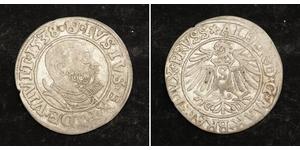
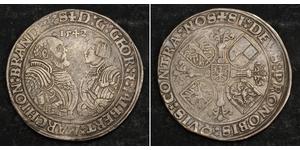
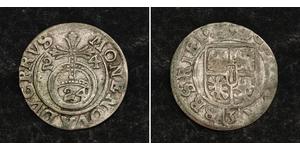
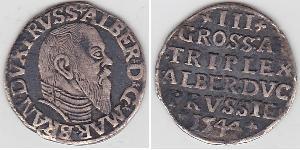
Currency minted during Albert's reign captures this turbulent era. While early issues retained traditional heraldry associated with the Order, later mints shifted toward depicting his authority as Duke. Coins struck under his rule serve as tangible evidence of Prussia becoming an independent entity within a Polish fiefdom structure before full sovereignty evolved later in history.
The transition is evident where older crosses and religious inscriptions yielded way to names signifying new dynastic rights. Collectors observe these pieces for their evolution from purely symbolic religious iconography to state representation, highlighting how currency became a tool for political legitimacy during the sixteenth century Reformation.
An Attractive Challenge for Collections
Numerous enthusiasts pursue Albert-related issues primarily for their historical narrative rather than raw market speculation. These specimens offer insight into the transition of early Germanic monetary systems and the patronage arts that funded Prussian education reforms, such as university founding costs often linked to mint revenues in broader fiscal contexts.
Rarity is driven by political fragmentation; distinct boundaries vanished during later unification efforts. The artistry found on these coins bridges medieval craftsmanship with Renaissance aesthetics typical of Northern Europe during the Reformation, making them invaluable pieces for understanding early monetary history and state formation among history collectors.