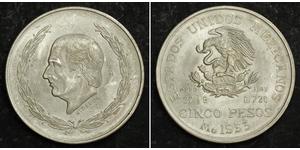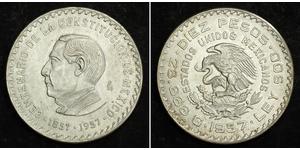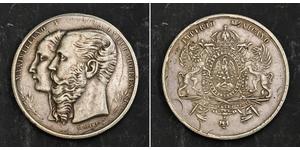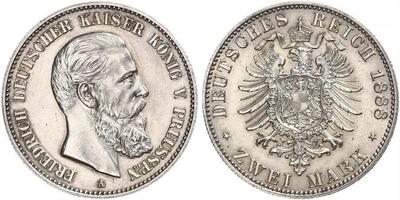
| Agustín de Iturbide (1783 - 1824) | Link to Wikipedia |
Agustín de Iturbide 1783–1824: History and Coinage
Introduction to a Historical Architect
In the annals of New World history, few figures embody transition more effectively than Agustín Cosme Damián de Iturbide. Born into the landed gentry of Valladolid in 1783, his life story traces the complex evolution from colonial loyalty to revolutionary leadership. Initially commissioned by the Spanish crown as a lieutenant officer in royalist forces between 1805 and 1816, he commanded elite units that crushed insurgent movements during Mexico's War of Independence. His reputation grew through tactical victories against vastly larger rebel armies, earning him the nickname "The Iron Dragon." However, his strategic acumen eventually shifted; recognizing the instability threatening an independence without stability in government, Iturbide famously united with former insurgents under the Plan of Iguala to establish a monarchy independent from Spain.
The Relationship Between Man and Metal
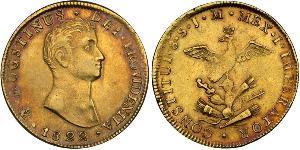
Nine years after the initial outbreak of conflict against royal authority but only one year into his own rule as Emperor Agustín I, Iturbide was depicted on currency issued by the First Mexican Empire. Following Spanish King Ferdinand VII's refusal to accept a crown for Mexico in 1822, political momentum solidified around a monarchist vision until July 30 of that same year when he assumed power. During this brief reign from mid-1822 to his abdication in early 1824, the state mint produced silver coinage featuring the emperor's portrait.
These pieces were not merely tools for trade but political declarations of sovereignty distinct from Spanish Viceroyalty currency. The obverse often featured a profile bearing imperial authority or specific military regalia reflecting his background as a royalist general who led victory against Spain and internal rebellions simultaneously.
The Appeal to Numismatists
Coin collectors are drawn to this era not just for metal content, but because these pieces represent the final chapter of imperial rule in North America before a prolonged republican experiment. The historical weight is significant: it marks the specific window between 1821 independence and the eventual fall of Mexican Imperial institutions later under Maximilian I.
- Rarity:
Surviving specimens are valued for their scarcity, resulting from a short reign interrupted by civil unrest and rebellion led by figures like Santa Anna shortly after 1823. -
- The numismatic legacy continues to be studied as part of early national identity formation.
Note:This narrative illustrates why these pieces are prized in specialized collections, connecting the tactile history of currency with pivotal geopolitical shifts that defined modern Mexico.