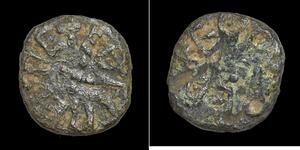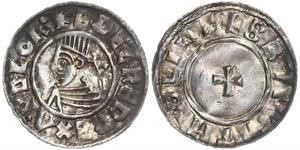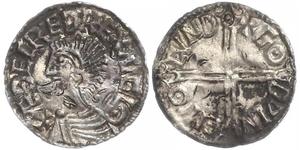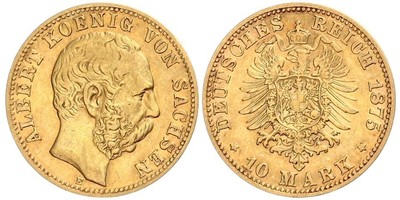
| Aethelred II (968 - 1016) | Link to Wikipedia |
Æthelred II c. 968 – April 1016: History and Coinage
A Legacy in Turbulent Times
Welcome to a look at one of the most complex rulers in early medieval England, Æthelred II. As king from 978 until his death in 1016, he presided over a kingdom battered by continuous Viking warfare and civil strife. His reign marks a critical transition period between the unified Anglo-Saxon era established under Alfred the Great's lineage and the Norman Conquest that would follow centuries later.
Historians regard Æthelred as a figure caught in an existential crisis where external invasions frequently overruled internal politics. He initially attempted to secure peace by paying tribute, though this policy often exacerbated reliance on foreign powers rather than fostering strength. His time saw the infamous St Brice's Day massacre and eventual exile of his crown following the conquests of Sweyn Forkbeard. These events make him essential for understanding why the English monarchy had to eventually unify its forces against Scandinavia.
The Coins Bearing His Name
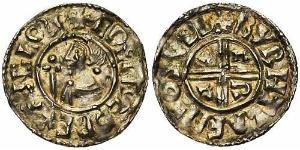
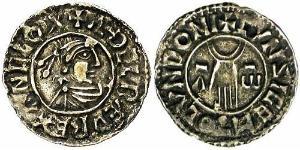
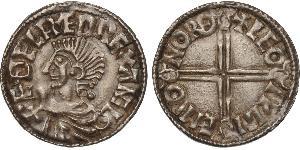
In Anglo-Saxon numismatics, kingship was not always represented by human faces as it would become in later medieval coinage. During Æthelred's lifetime and shortly after his return from exile, coins issued bore his name rather than a sculpted portrait, utilizing inscriptions such as +AETHELREDI REX alongside the characteristic cross design.
This currency was minted within England and sometimes incorporated designs associated with Danish moneyers during times of conflict. The transition occurred when Viking leaders like Cnut utilized these monetary traditions before imposing their own authority upon them following 1016. Because his coins appeared both during his active rule in London's mints as well as later issues struck by Danes controlling English cities, they offer collectors a timeline extending through the early 12th century.
The lack of portrait imagery reflects the technological and artistic conventions of late Anglo-Saxon times; however, the legend served to communicate sovereignty effectively across regions. Even after his death in April 1016, coins continued to circulate under his name alongside those of Edmund Ironside before being superseded by Cnut's definitive issues.
The Value for Collectors
Collecting pieces from this era is less about finding a rare portrait and more about understanding the economics of survival. The scarcity of surviving Æthelred coins stems directly from historical instability; when famine struck England or occupation occurred, silver was often melted down to feed coin-starved armies during war.
Educational value for this collector lies in examining mint marks that correspond to different towns and moneyers across Wessex. Finding a well-preserved penny helps visualize the economic struggle of late tenth-century society where currency supply could not meet demand due to Viking destruction of trade networks.
- The primary historical importance derives from his name marking English sovereignty before conquest.
- Pieces with specific legend variations allow dating relative to periods of exile and return.
- Rarity is driven by survival rate rather than low minting numbers, given the extensive destruction during Viking invasions.