| View |
| preceded by | |
 Yemen (1990 - )
|
| succeeded by |
| Yemen (1990 - ) | Link to Wikipedia |
Yemen: History, Coinage and Collectibles
To the serious historian of ancient economies or the passionate collector seeking a tangible piece of history, Yemen offers one of the most intriguing narratives in numismatics. Located at the very nexus where Africa meets Asia across waterways that have been bridges for civilization since antiquity, this nation was known to the Romans as Arabia Felix, or Happy Arabia. This name was not merely a romantic description but an economic reality: Yemen sat atop a massive trade empire controlling the flow of frankincense, myrrh, and later, coffee into Mediterranean markets.
In this collection article, we explore how the wealth generated by these ancient trade routes transformed simple clay weights into sophisticated silver currency. We trace the evolution from Sabaean kingdoms to Islamic dynasties, examining not just the face of the coin, but the story it tells about a land that once commanded significant global commerce.
Historical Background
The history of Yemen is rooted in ancient maritime dominance. Long before European traders mapped the Indian Ocean coastlines for profit, merchants from South Arabia were sailing south to East Africa and east to China on monsoons winds alone. The Sabaean Kingdom (circa 1000 BC – AD 275) stands as one of the earliest examples of a centralized state where money was not just an invention but an necessity for international diplomacy.
The Sabaeans were engineers and traders par excellence, constructing monumental dams like Marib to irrigate vast gardens. As they controlled the flow of goods from these agricultural centers to distant ports like Mocha (al-Mukha) and Zafar, their political power was mirrored by a need for standardized currency. However, unlike many ancient civilizations that relied on bullion hoards or heavy bars of gold, Yemenite kings sought coins minted in silver.
This transition from barter to coinage is deeply tied to the "Incense Route." The value of frankincense and myrrh was so immense that it allowed for complex trade exchanges. By AD 275, under the Himyarites, these various tribal kingdoms were unified into a single political entity known as "Yamnat," or simply Yemen. This unification necessitated a cohesive monetary system to handle taxes levied on caravan routes and tribute paid by vassal states.
Culture played an equally vital role in shaping the economy. The region was heavily influenced, at times, by Judaism due to its proximity to Aksum (in modern-day Ethiopia) and Roman expansionism. This multicultural influence meant that while coins were primarily silver debased over time to pay for imports of wheat from Egypt—a necessary food source when rains failed—there remained a strong artistic desire to reflect the region's unique identity.
The shift in political landscape during the 7th century brought Islam, which rapidly spread through Yemen. However, unlike some other regions where local coinage was immediately suppressed by central authority figures like Caliphs in Baghdad or Damascus for decades, Yemenite dynasties retained significant autonomy to strike their own currency well into the medieval era.
Currency and Coinage History
The numismatic history of ancient South Arabia presents a fascinating anomaly: it was here that silver coinage often appeared before other parts of the continent, driven by trade demands rather than purely internal needs. The early coins minted during the Sabaean era (roughly 50 BC to AD 108) provide collectors with their first window into Arabian iconography.
Initially, these issues were heavily influenced by Hellenistic designs due to Roman presence and trade contact in northern Arabia Felix. The weight standards fluctuated as the economy shifted from exporting surplus goods like incense (worth more than gold at times) to importing staples like wheat. As a result of economic hardship following major famines or conflicts, rulers sometimes debased their silver issues.
A crucial turning point occurred with the rise of Islamic governance and subsequent local dynasties such as the Ziyadids and later the Rasulids (circa 1203–1454). By this time, coinage had adapted to reflect not just trade but theological identity. While early coins often featured images—palms, ships, or kings—the Islamic conquest eventually mandated strict adherence to religious symbols on currency.
The Rasulid dynasty in particular produced a prolific and stylistically distinct range of silver dirhams (and copper dinars). These coins were struck not only for local circulation but also for export, with some issues circulating as far away as China. The economic necessity remained the same: facilitating trade along the Red Sea coasts where Yemen's wealth was measured by volume.
Mints and Coin Production
The concept of "the mint" in ancient South Arabia operated differently than modern centralized banking or factories. Coins were often produced at strategic points within port cities—primarily Mocha (Al-Mukha) and Aden—as well as regional capitals like Zabid or Sa'dah. This decentralized production allowed local governors to react quickly to the needs of commerce.
The artistic characteristics distinguishable on these coins are vital for identification in a private collection. Sabaean silver typically displays high relief work featuring palm trees, which were central icons of Yemeni landscape and fertility (distinguishing it from barren regions). Unlike gold coins found elsewhere in Arabia which often featured portraits or complex iconography, early South Arabian coinage was predominantly silver.
The technology evolved over centuries. In the Himyarite period, the die-casting methods were robust but showed signs of rapid production to keep up with caravan traffic. Later Islamic issues utilized punch-marks and more sophisticated calligraphic techniques for inscriptions in Arabic or Kufic script. This shift highlights how political power shifted from tribal confederations to caliphates that enforced specific linguistic standards on metal.
The transition into the Ottoman era brought a dramatic change not necessarily in quality, but in style, as these heavy silver dirhams often bore inscriptions of tribute or religious declarations rather than local rulers' names. However, it was with the return to semi-autonomous dynastic rule that collectors see some of their finest material: beautifully struck coins where calligraphy is balanced perfectly against a background field.
Notable Coins
Sabaean Silver Issues (50 BC – AD 1)
Historical Context: These are among the oldest silver coinage found in Arabia. Produced shortly after Roman contact, they represent a period where trade routes were open and economic ties with Mediterranean powers like Greece flourished.
Design Features: The obverse typically features laureated portraits of kings or Hellenistic figures, while the reverse displays palm trees in high relief. These are often found heavily circulated (worn down) due to their use as small change for grain traders.
Collections Significance: Collectors value these pieces not merely for rarity but because they bridge two ancient worlds: Rome and Arabia Felix. They offer a glimpse into the period before Islam, showing how pre-Islamic trade cultures utilized metal currency.
Rasulid Silver Dirhams (1203 – 1454)
Historical Context:Minted under Zafar, these were among the most sophisticated coin issues in medieval Arabia. The dynasty controlled a massive territory and produced coins that circulated widely.
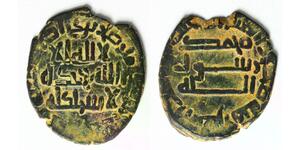
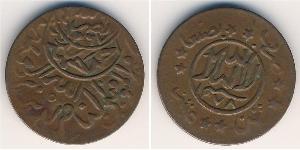
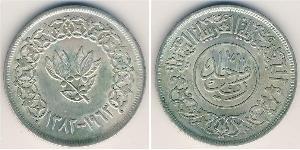
Design Features:The obverse features Arabic inscriptions of praise to God (Bismillah), often framed by ornamental borders resembling woven textiles or geometric patterns, typical of Islamic art. These avoid the use of living figures, focusing instead on calligraphy and abstract geometry that speaks of a highly cultured society.
Collections Significance:The Rasulid issues are prized for their excellent preservation examples, which often showcase intricate details in the Arabic script. They represent an era when Yemen was politically unified enough to produce standardized currency that commanded confidence across vast distances.
Cultural Legacy
The coinage of Yemen serves as a mirror reflecting its cultural resilience. A Sabaean palm tree on silver represents the agrarian wealth and irrigation mastery that defined early civilizations in South Arabia, specifically their ability to control water—a precious commodity.
The later shift toward Islamic calligraphy illustrates how spiritual identity superseded political power in coin design. By focusing on verses of scripture or praises of divinity rather than royal portraits (which were often forbidden under strict interpretations), these coins became portable religious texts for merchants sailing far from Mecca.
This artistic evolution underscores the cultural depth: as trade goods and foreign influence increased, Yemenite goldsmiths adapted their metalworking skills to meet new theological demands without losing local stylistic flavor. The palm tree remained a common motif even when inscriptions changed languages or styles became strictly Arabic Kufic, proving that nature's connection to the land remains constant despite political upheaval.
For Collectors
Yemenite coinage is an exceptional addition to any specialized collection of Arabian Numismatics. It appeals particularly to historians who appreciate the story behind their currency—the transition from a Roman-influenced kingdom to a sovereign Islamic state—and numismatic professionals seeking examples that date back nearly 1,000 years.
The scarcity of high-quality pieces is often dictated by historical preservation factors rather than just mint output. These heavy silver dirhams survived for millennia as small change in the region and were eventually gathered into large hoards or used to pay soldiers during medieval conflicts before being scattered across markets that have since closed. Today, finding a pristine example with clear inscriptions offers an opportunity to hold a tangible piece of ancient global trade networks.
In conclusion, Yemen's numismatic legacy is defined by its richness—both literal and metaphorical. Its coins document the rise of empires from simple barter economies to complex currency systems that supported some of the world's most important spice trades. As collectors examine these pieces, they are essentially reading the financial history of a land once called "Happy Arabia," witnessing through silver how ancient civilizations managed wealth across cultures and faiths.