| View |
| preceded by | |
 Vanuatu (1980 - )
|
| succeeded by |
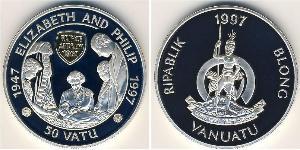
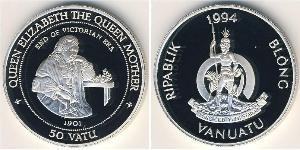
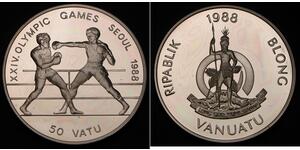
| Vanuatu (1980 - ) | Link to Wikipedia |
Vanuatu: History, Coinage and Collectibles
Welcome, distinguished collectors, history enthusiasts, and connoisseurs of the numismatic arts to a tour through one of South Pacific's most isolated yet culturally rich territories. This exhibition explores the Republic of Vanuatu, an archipelago rising from volcanic origins in Melanesia, where metal currency serves as both a modern utility and a tangible link to ancient settlement myths.
Historical Background
To understand the monetary artifacts associated with this region, we must first travel back before recorded history. For over three millennia prior to European contact, these islands were inhabited by descendants of the Lapita culture. These maritime pioneers established settlements between 1100 BCE and 700 BCE, bringing their own tools and traditions across vast oceanic distances.
The landscape was not just a collection of rocks; it represented an island nation forged in fire. Geologically active volcanoes shaped the terrain from Ambrym to Tanna Island, creating fertile ground that supported subsistence farming yet maintained relative isolation for centuries. This geographic separation meant there were no native coin systems before 1906.
The colonial era arrived with a unique legal framework: the Anglo-French Condominium established in 1906 under the name New Hebrides. Here, two distinct zones of influence existed side by side within the same political structure. The French administration operated from Vila and other coastal hubs utilizing currency systems tied to France, while the British sector utilized Australian Dollars and pounds circulated among neighboring Melanesian nations. This duality creates a fascinating historical backdrop for collectors seeking pre-1980 artifacts.
The path toward sovereignty began in earnest with the independence movement of the 1970s. The country officially became the Republic of Vanuatu on July 30, 1980. This moment marked a significant shift from colonial dependency to national autonomy. As nations transitioned into statehood, one of their primary tasks was establishing economic sovereignty through currency issuance.
Currency and Coinage History
The evolution of money in Vanuatu mirrors the broader story of its political journey. For decades prior to independence, daily commerce relied on circulating foreign currencies. Residents would purchase goods using Australian dollars or French francs depending on their location within the condominium boundaries.
When sovereignty arrived in 1980, establishing a unified economic space became crucial for stability and trade facilitation between islands. The transition period involved phasing out external currency dominance to issue the first Vanuatu Vatu notes and coins. This was not merely an administrative task; it was a declaration of identity.
The introduction of the sovereign coinage system allowed the government to assert control over monetary policy, separating from the fluctuating exchange rates of foreign neighbors like Australia or New Caledonia. The decimalization process aligned with international standards but incorporated local denominations that fit small-scale economies based on agriculture and tourism services.
The early post-independence years focused heavily on commemorative pieces designed to celebrate this new era. These were often produced in limited quantities overseas, as the domestic infrastructure required for mass striking of hard currency was non-existent at the time. The initial issues served a dual purpose: they facilitated trade and acted as souvenirs marking the nation's entry into the United Nations.
Mints and Coin Production
Like many small island jurisdictions, Vanuatu has never operated its own domestic mint for general circulation. Instead, production contracts were secured with established facilities in Europe and North America during the later years of independence, particularly around 1983 to the mid-1980s.
This reliance on external craftsmanship means that artistic direction often came from renowned national mints while respecting local iconography requirements. The process involved sending die designs featuring native wildlife or landscapes for approval before shipment abroad for production. When a design was approved, batches of coins were struck and shipped back to be distributed across the island chain.
This arrangement allowed for distinct numismatic quality control even without an internal factory floor. However, logistics remain costly due to shipping distances from Australia or London to Port Vila. Consequently, early issues are often scarcer than modern series that utilized local printing houses with direct oversight of design and metal supply chains.
Notable Coins
Fellow collectors should look first at the 1983 circulation sets which mark the transition into a sovereign monetary system. These pieces typically feature denominations such as two cents, one cent, or ten cents in various materials including cupro-nickel and brass-plated steel.
- The Independence Commemorative:
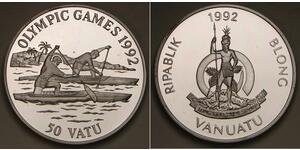
This series often appeared shortly after 1980. The obverse usually displayed the portrait of a national figurehead or an emblem representing statehood, while reverse designs featured scenes of daily life such as fishing canoes on turquoise lagoons. Their rarity is driven by initial low mintage numbers intended for distribution among government workers rather than the general population.
- The Wildlife Series:
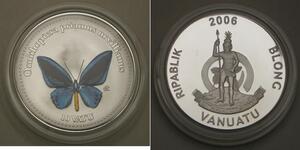
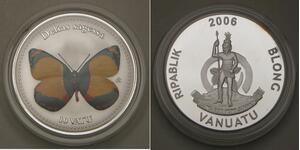
Over time, subsequent minting programs focused heavily on fauna unique to Melanesia. Birds like the Imperial Pigeon or traditional sea turtles frequently appeared as motifs for higher denomination pieces such as 50 cents and one dollar issues. These designs are highly sought after because they encapsulate the biodiversity of South Pacific island ecology.
- The Early Colonial Transitions:
Different collectors seek out coins from the dual-currency period that bear both French and British markings in circulation within New Hebrides territory. These items carry historical weight regarding the condominium agreements of 1906, though their numismatic condition varies greatly due to usage before independence.
Cultural Legacy
The artistry found on these metal plates tells a story deeply rooted in identity and heritage. As we examine the designs closely, we see that Vanuatu has avoided generic tropes often applied to Pacific nations. Instead of using standardized symbols common across many regions here, this country emphasizes local volcanic geology and traditional weaving patterns.
The use of bilingual or trilingual text on coins sometimes reflects the complex linguistic history where English, French, and Bislama coexist in daily administration. While modern legal tender often prioritizes one language to prevent clutter, early prototypes frequently experimented with inscriptions that honored this cultural unity without alienating Francophone neighbors.
The choice of materials also reflected a desire for durability against tropical corrosion. The shift from brass to cupro-nickel signaled an evolution in both cost management and artistic longevity. This attention to detail suggests a government aware of the significance these coins held as ambassadors, carried by tourists returning home with souvenirs that served as proof-of-visits.
For Collectors
The value associated with this nation's coinage today is driven largely by scarcity and historical condition. Because circulation was heavily reliant on imported currency from Australia for the first two decades, coins struck after independence remain rarer in uncirculated states compared to nations that issued notes earlier.
- Historical Significance:
Own pieces minted during the transition years of 1983-1985. These are rare opportunities to hold a piece representing the birth of independence and sovereignty within its own borders.
- Motif Selection:
Prioritize issues featuring native species such as turtles, doves, or indigenous canoes rather than standard generic landscapes. These specific cultural markers increase desirability in niche markets focused on Pacific numismatics.
- Mintage Context:
Avoid assuming value solely based on metal weight. Instead, appreciate the historical story behind each batch of coins that survived usage patterns and were preserved by collectors immediately after independence day celebrations.
In conclusion, while Vanuatu is a modern sovereign state today with a robust economy anchored in tourism and resources, its coinage preserves the memory of an archipelago settled three thousand years ago. Collectors should look beyond mere catalog dates to understand what each piece represents about this volcanic nation's journey from Lapita settlement sites through colonial condominiums into independent republichood.