| View |

 Uzbekistan (1991 - )
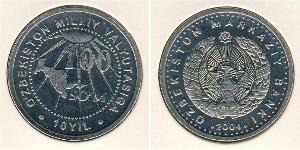
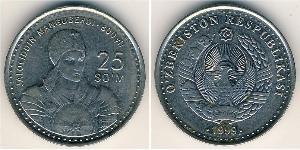
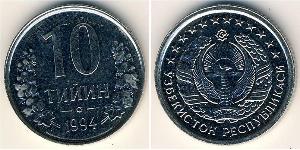
| Uzbekistan (1991 - ) | Link to Wikipedia |
Uzbekistan: History, Coinage and Collectibles
Welcome to a journey through time and metal. Today we explore the Central Asian nation of Uzbekistan. While often associated with ancient caravanserais and desert windblown ruins, this region was once one of civilization’s great trading arteries. For collectors seeking historical depth beyond modern borders, Uzbekistan offers unique artifacts connecting the Silk Road to contemporary numismatics.
Historical Background
The narrative begins long before state boundaries were drawn on maps. The lands now comprising modern Uzbekistan have served as a crucial node along the ancient trade networks linking East and West. From 710 AD, Arab influence brought Islam to Turkestan, establishing religious law that governed commerce for centuries.
In roughly 850 AD, Persian dynasties began issuing gold dirhams in local workshops. These were widely accepted across the steppe, facilitating trade between China and Europe by providing a secure store of value independent of perishable goods like silk or grain. By the tenth century, powerful empires such as Karakhanids managed vast territories where coinage represented sovereignty rather than just royal favor.
The 14th and 15th centuries brought Timurid rule under Shah Rukh and his successors from Samarkand. This era produced coins that were visually striking because of the region’s rich artistic tradition. However, with Russia expanding into Turkestan in the mid-1800s, numismatic history shifted dramatically. Imperial Russian rubles began replacing local currency by 1927.
Independence arrived following World War II as part of a larger political realignment during the early nineteen-nineties. As sovereignty returned to the nation, so did economic independence through new monetary issues designed not just for transaction but to celebrate heritage once lost under foreign rule.
- The Samanid dynasty established trade hubs in modern territory roughly 250 years before the Silk Road peak
- Tamerlane’s conquests brought stability and new artistic patronage for coin designs during his reign mid-14th century
- Russian imperial rule standardized currency but introduced collectible elements via regional printing errors
Currency and Coinage History
Moving from ancient gold to modern silver reveals how a country manages its wealth over millennia. In the early periods, coin scarcity meant only high denominations of pure metal circulated among merchants while commoners used shell beads or copper pieces.
Under Russian influence in Turkestan during 1860s through early twentieth century, local workshops began minting paper currency to support regional administration rather than bullion. This era introduced the standardization seen today but left a legacy of collectibility among those who preserved these banknotes from Imperial Russia.
The transition after independence required establishing trust in new money. Initially this relied on printed fiat backed by central reserves, though early issues featured high relief imagery to honor national landmarks and historical figures like Amir Timur or Al-Khwarizmi for mathematicians whose works reached the West through Central Asia earlier than anyone realized.
Mints and Coin Production
The production of currency reflects technological capability as much as artistic expression. Under Russian rule, workshops were consolidated to minimize waste while maintaining design consistency across vast distances. This centralized approach contrasts with medieval Islamic mints where every region might cast their own coins bearing local scribe’s calligraphy.
In independent Uzbekistan today, coinage is produced at state-owned facilities within the capital itself alongside global contract manufacturing partners who handle special edition bullion sets for collectors. The designs are approved through strict review committees ensuring they meet legal standards while preserving artistic freedom in choosing historical themes and cultural motifs rather than modern political faces.
The shift from copper to nickel and then silver/gold compositions marks the progression of economic sophistication needed at each stage. Modern technology allows these minters to emboss microscopic detail onto tiny surfaces using laser etching for security features against counterfeiting while ensuring visual clarity for hobbyists examining them under magnifying glass.
Notable Coins
Awareness of specific types deepens understanding of why this country matters. The early independence gold and silver issues from 1993 mark a pivotal start to sovereign minting after Soviet rule ceased production in local territory names for several decades following dissolution.
- Independence Gold Proofs: These feature high relief portraits of national heroes or monuments. Collectors prize the intricate details on the reverse side showing iconic architecture like Registan square.
- Silver Commemorative Series: Designed to celebrate anniversaries or scientific achievements, these coins often use fine finish techniques that reflect light beautifully under museum lighting conditions found at exhibitions
- Copper Nickel Circulation Coins: Smaller denominations featuring everyday symbols like cotton fields and modern machinery which represent economic growth since independence from 1927 transition period ended.
Rare finds sometimes surface in private collections where coins struck under Russian Imperial administration are found. These historical artifacts provide tangible links to earlier times but remain relatively inaccessible compared to sovereign issues released for collectors directly through official channels worldwide today.
Cultural Legacy
The enduring value of these collectibles extends beyond metal content or scarcity alone; they act as portable cultural archives. When you hold a commemorative piece featuring the Bibi-Khanym Mosque, it is not merely an illustration but an acknowledgment that this architecture remains central to national identity.
- Cultural motifs like traditional calligraphy used on designs demonstrate respect for artistic heritage passed down generations
- Ancient scientific instruments or observatory buildings depicted in reverse show appreciation for historical scientists who once worked these lands centuries ago before modern borders existed to separate their contributions globally from local contexts previously unknown outside academies located elsewhere during colonial times past history lessons taught now
The use of gold and silver serves a dual purpose: representing wealth while simultaneously preserving national symbols. Unlike circulation coins, which fade into obscurity due to wear over time, collector issues are designed specifically with long-term preservation in mind using hard alloys that resist oxidation better than standard base metals used elsewhere globally during current minting cycles.
For Collectors
If you seek a region steeped in history yet distinct from Western numismatic traditions often dominated by English speaking nations, Uzbekistan offers an intriguing alternative. While modern circulation coins offer utility for daily needs rather than investment potential alone due to low denominations valued primarily for transactional ease within national borders only.
The primary appeal today lies in the high-quality design elements and historical narratives they represent rather than rarity found elsewhere globally through standard markets. Many pieces focus on architectural heritage or ancient literary works which resonate with international audiences familiar with Eastern artistic traditions but less aware of Central Asian history specifically regarding coinage produced after independence.
For those who appreciate artistry alongside investment, the limited edition sets released periodically provide an opportunity to own a piece that bridges centuries while acknowledging historical continuity from past civilizations through present day governance structures. Whether viewing ancient finds unearthed by archaeologists or modern mints preparing proofs for exhibition halls worldwide, each item tells part of broader global story regarding how value was measured across continents over multiple thousand years spanning entire human history recorded.