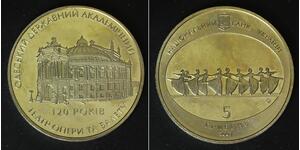
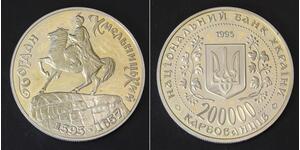
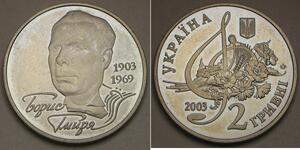
Ukraine (1991 - )
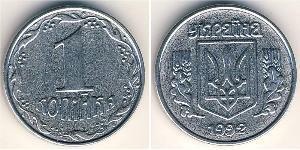


| Ukraine (1991 - ) | Link to Wikipedia |
Ukraine: History, Coinage and Collectibles
Welcome, collectors.
To explore the world is a pursuit of knowledge that often extends beyond maps into metal and ink. Here at Hobbyray, we believe every coin tells a story not just about its weight or date, but about the civilization it represented in the hand that held it today you will find yourself exploring Ukraine
Historical Background
The history of this region is as vast as the Dnieper River itself. For centuries, Kyivan Rus served as a vibrant crossroads between Eastern Europe and Byzantium. This geopolitical location established an economy heavily reliant on grain trade and salt exchange with neighboring regions such as Poland-Lithuania and Imperial Russia.
In medieval times, control over these territories meant the ability to regulate flow of bullion through major rivers like Desna
The Cossack Hetmanate period introduced unique economic policies driven by semi-autonomous governance. These early statehood experiments often resulted in localized currency production or heavy reliance on foreign mints that stamped imperial designs upon local issues.
In the nineteenth century, administrative boundaries shifted significantly as lands became integral provinces within Russian Empire administration
This integration meant coinage was standardized under the Imperial Ruble system. However, it is important to understand that regional cultural identity persisted strongly through art and architecture even while monetary standards remained centralized across Russia
Currency and Coinage History
The evolution of money in this region reflects broader trends across Europe but often with local flavor.
In the early days, silver kopeks served as primary currency for peasants exchanging goods at weekly markets. As commerce expanded during industrialization of 19th century, demand for stable gold and platinum currencies increased to facilitate international trade.
The transition from Kievan Rus' hammered coins to machine-struck Imperial issues represents a critical era in history
Soviet monetary reforms brought standardization across the republics. Following independence after dissolution of Union, new currency systems were established based on free market principles and inflation control measures required by modern banking standards.
Mints and Coin Production
The artistry found in coins from these lands is exceptional even if production centers changed frequently over centuries.
In later periods, coinage was produced at the St Petersburg Mint or Leningrad locations before moving to facilities closer to Kyiv during certain historical periods. Artistic characteristics often blended Orthodox iconography with classical imperial portraiture of czars and revolutionary leaders
The modern era introduced advanced technology used for minting high-quality commemorative issues featuring complex reliefs depicting agricultural tools such as tractors alongside national monuments.
Notable Coins
To guide your collection interests, we highlight three distinct types that represent the best of their respective eras without relying on specific catalog values. These selections focus historical narrative and visual interest:
- The Kyivan Rus Silver Piece.
- Imperial Gold Commemoratives featuring regional heroes.
- Modern Independence Hryvnia Issues depicting Tryzub symbolism.
Kyivan Rus Silver Pieces:
These ancient fragments represent some of earliest native currency in East Europe. They were struck during periods when trade with Constantinople brought gold and silver standards to local minting operations on major rivers like Pripyat or Dnieper tributaries.
- Historical context:
This era coincided with flourishing commerce routes connecting Vikings and Arab merchants in Mediterranean world. These coins were often used for local taxation payments to princes or church tithes rather than wide circulation as daily currency.
- Design features:
The obverse bore the cross symbol of Byzantium while reverse depicted a ruler's bust facing left. Metal content varied frequently based on quality available in local mines supplying silver bullion for minting operations across region.
- Importance to collectors:
Finding these pieces connects you directly to the age where Kyivan Rus was a dominant player alongside Constantinople and Baghdad. Their survival in museum collections is often due to being lost during sieges or wars rather than deliberate hoarding.
Imperial Gold Commemoratives:
This category emerged when Empire sought to legitimize rule over diverse lands through issuance of gold coins bearing imperial portraits alongside local cultural icons. These were struck in St Petersburg but often marketed towards regional elites who viewed them as symbols of loyalty and prestige.
- Historical context:
The production increased during reigns where reforms encouraged integration between European style banking systems and traditional agrarian economies. Gold was scarce so these coins were often reserved for diplomatic gifts or state ceremonies rather than general circulation.
- Design features:
The reverse side frequently depicted a shield bearing regional double headed eagle crest alongside wheat sheaves symbolizing agricultural abundance. This artistic choice balanced imperial power imagery with agrarian identity of lands that produced grain for global export.
- Importance to collectors:
The high relief strikes on these issues demonstrate technical craftsmanship typical of late nineteenth century minting practices. Collectors appreciate the way these designs transitioned from rigid imperial iconography to more organic representations of national heritage.
Modern Independence Hryvnia Issues:
Since gaining sovereignty, new banking systems were established with Bank of Ukraine overseeing production and issuance of new currency standards including commemorative gold coins honoring independence anniversaries or cultural milestones.
- Historical context:
The first series issued following adoption in nineteen ninety six marks the beginning of modern monetary era for sovereign state. This replaced older foreign currencies that had been circulating during years prior to independence declaration and subsequent economic transition.
- Design features:
The most common denominations featured trident emblem alongside agricultural machinery such as combines harvesting wheat fields which symbolized industrial modernization of countryside after dissolution period. Gold versions showcased historical figures like Taras Shevchenko.
- Importance to collectors:
The narrative arc from imperial subject status to national sovereignty is captured directly on these issues through changing imagery and symbolism over decades of history. These coins serve as visual timelines marking key moments in cultural development.
Cultural Legacy
The legacy left by this numismatic heritage transcends mere metal value because it embodies the resilience of a people who maintained their identity despite shifting political boundaries for centuries.
Symbols like Tryzub are not just decorative but represent enduring national spirit that survived through periods of foreign administration and empire-building. This continuity is visible in art styles used on banknotes as well as circulating currency across multiple eras
For collectors
The region remains vital for numismatic study because it offers a unique case where medieval coinage flows into modern banking systems within same national territory. Acquiring pieces here provides access to history spanning over millennium from Kyivan Rus through Soviet era and beyond.
Museum Curator's Note:
We invite you to consider each piece as part of living story that connects your collection with broader European monetary development across centuries without political controversy or modern disputes. The focus remains on artistry, historical narrative preservation and cultural significance found in metal archives available for study today.