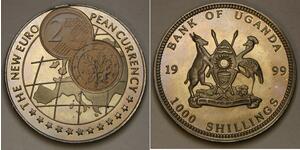
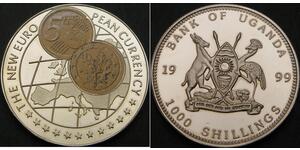
| View |
| preceded by | |
 Uganda (1962 - )
|
| succeeded by |

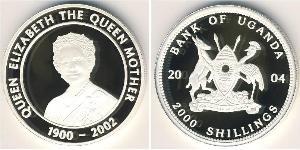
| Uganda (1962 - ) | Link to Wikipedia |
Uganda: History, Coinage and Collectibles
Historical Background
The narrative of Uganda is deeply intertwined with the broader economic tapestry of East Africa, evolving from pre-colonial trade routes into a modern regional hub for commerce. Long before European powers entered the region to assert control over vast lands bordering Lake Victoria and the Nile basin, local kingdoms managed complex exchanges using indigenous barter systems and shell currencies. The arrival of Arab traders during the mid-nineteenth century established vital commercial links between Indian Ocean ports and inland agricultural zones producing ivory, coffee beans, and textiles for export markets destined primarily for India via railway networks later constructed by British capital.
When formalized administration began with the establishment of a Protectorate in 1894, it brought significant structural changes to how trade was conducted. The expansion of administrative borders beyond Buganda through treaties with regions like Toro and Bunyoro created a unified economic zone that demanded standardized monetary exchange rather than fragmented tribal economies reliant on livestock or cowrie shells for payment. As infrastructure projects such as the Uganda Railway accelerated during this era, wages became more difficult to quantify using traditional shell money due to logistical challenges in transporting heavy items from coastal regions inland to labor camps.
The transition toward colonial rule fundamentally altered economic dynamics by integrating local production into global trade circuits that required reliable currency. The fertile soils surrounding Lake Victoria supported booming agriculture which generated surplus wealth but necessitated a stable medium of exchange for purchasing imported goods ranging from manufactured textiles to hardware necessary for plantation maintenance and railway construction. This shift set the stage for coinage systems designed not only for general commerce but also as instruments of state power that reinforced administrative unity across diverse ethnic groups inhabiting this geographically distinct region nestled within equatorial climate zones.
Currency and Coinage History
The evolution of monetary systems in this territory reflects a deliberate transition from localized barter to formal fiat currency linked first to the British Pound Sterling. Prior to independence, circulation consisted largely of coins minted abroad that were authorized for local use by imperial authorities seeking consistency across East African territories like Kenya and Tanzania where trade barriers needed dismantling to encourage cross-border agriculture.
Following national sovereignty gained in 1962, a decisive move toward economic autonomy occurred. New legislation allowed the nation to issue its own denominations featuring indigenous designs rather than foreign royalty or colonial symbols associated with past administrations which were viewed as remnants of external occupation that needed replacing if genuine independence was to be realized.
This transition period saw significant changes in how value was measured and distributed among populace engaged in cash-crop economies. As production moved away from heavy reliance on British imports toward local export commodities like cotton, new coinage policies were required which could support both urban wage laborers working near industrial sectors established along the Nile river valley corridors where factories began processing goods for international markets.
Mints and Coin Production
In early decades of monetary standardization, production was outsourced to major royal mints in London or other Commonwealth facilities due to lack of domestic infrastructure capable of sustaining high volume coin presses required by a growing population engaged in cash-based transactions facilitated by new agricultural wealth generated from coffee exports.
As the nation gained full sovereignty over its monetary affairs later during independence era, local capabilities were developed with assistance from international partners and private sector investors seeking to support economic development. Artistic direction shifted dramatically away from imperial imagery toward themes celebrating wildlife conservation efforts that became a hallmark of national identity by late twentieth century when global environmental movements emphasized preserving habitats for elephants lions found native throughout vast savannah plains covering central lands.
The technology used during these production phases ensured durability necessary for harsh tropical climates where humidity and dust accelerated wear on metal pieces meant for daily circulation among traders traveling along dirt roads connecting remote districts to urban centers serving as administrative capitals before modern paved infrastructure improved transport networks over decades of national growth strategies aimed at integrating all regions into single unified economy.
Notable Coins
The Half Crown remains one of the most prominent examples of early circulation within this region. Issued under British authority but bearing denominations familiar to indigenous traders who preferred silver for high value exchanges, these coins depict royal imagery before shifting towards national portraits post-independence when political structures changed.
Post-1962 issues mark another turning point where new denominations were minted to replace foreign patterns entirely with features including local wildlife such as elephants or buffalo representing conservation efforts that became a pillar of national identity by the late twentieth century. Commemorative sets released during special jubilees often featured limited strikes bearing specific motifs related to cultural festivals or independence anniversaries, making them highly valuable for enthusiasts seeking complete collections.
The silver Kruppers minted specifically in East Africa served as circulating money before being demonetized later on due to global metal shifts affecting local economies heavily reliant on export commodities like coffee beans which saw fluctuating prices throughout mid-century period when these coins were still standard change rather than collectibles yet. Finding examples of high grades from this specific transition period is rare given rapid turnover rates within cash-strapped colonial bureaucracies that preferred issuing larger notes over small denominations once paper currency became more prevalent locally in 1920s.
Cultural Legacy
Numeric artifacts serve as a physical archive of Uganda's rich heritage, capturing themes ranging from agricultural prosperity to wildlife conservation and historical monarchy transitions. Early coinage often mirrored British connection but gradually adopted imagery celebrating local culture such as traditional attire or native flora like banana trees essential for daily food consumption across diverse ethnic groups settled around major lakeside communities before 1900s integration of regions under colonial administration unified trade practices that were previously fragmented along tribal lines.
The enduring presence of these symbols on metal reflects a nation proud of its history while acknowledging contributions from neighbors within East African Community structure established to foster economic cooperation across borders shared by Tanzania and Kenya where cross-border river transport was key for regional growth before oil exploration opened new energy export sectors decades later affecting currency needs for international balance.
For Collectors
For those entering this field, understanding context behind each piece offers deeper appreciation than mere rarity statistics could convey. The scarcity of pre-independence issues lies in their extensive use as wage payments and transactional tools rather than hoarding by investors at that time who lacked modern portfolio concepts focused on metal conservation or numismatic preservation standards common today.
Condition sensitivity remains paramount due to high circulation wear patterns seen from daily usage over decades within bustling markets along Nile basin corridors where merchants traded goods ranging from textiles to manufactured items imported via East African rail lines built for industrial development purposes connecting coastal ports inland towards major manufacturing centers established during colonial rule that later influenced local economic independence after 1962 when full sovereignty allowed design freedom.
The historical narrative embedded in these objects connects modern holders back to moments of political transformation, infrastructure expansion and cultural unification across diverse ethnic groups inhabiting this landlocked state situated along vital waterways that connected East Africa globally for centuries before air travel replaced shipping routes connecting nations around Indian Ocean rim where trade winds once guided merchant vessels carrying ivory spices from distant markets.