| View |
| preceded by | |
 Tuvalu (1978 - )
|
| succeeded by |
| Tuvalu (1978 - ) | Link to Wikipedia |
Tuvalu: History, Coinage and Collectibles
Welcome to a journey through one of Oceania's smallest but most historically significant nations in numismatics. The story of Tuvalu is not merely one of gold or silver; it is the chronicle of an archipelago that has navigated between traditional Polynesian voyaging and modern sovereign status, leaving behind tangible evidence on metal to be found today.
Historical Background
The narrative begins long before any currency struck by machinery. Around three thousand years ago, skilled polynesians arrived in the archipelago from Samoa and Tonga using double-hulled canoes. These ancestors settled nine islands spread across a vast distance of ocean water, eventually establishing an identity that meant "eight standing together." For centuries prior to modern history, economic life relied on local barter systems involving coconuts and fish rather than manufactured metal money.
The arrival of the Spanish in 1568 marked the first European contact, with Álvaro de Mendaña sighting Nui as he searched for Terra Australis. However, formal political structures emerged only later under British influence. In 1892, a protectorate was proclaimed over these islands. By 1974, a referendum sought to separate administration from the nearby Gilbert Islands (now Kiribati). Following this separation and independence on October 1st of that year in full sovereignty within the Commonwealth, Tuvalu embarked on defining its monetary identity as a new nation.
Currency and Coinage History
The economic history of these atolls reflects a heavy dependence on fishing and agriculture without significant soil for farming. Because local production could not support food needs alone, imports were essential from Australia and New Zealand during the colonial period. Consequently, foreign currency was widely used in daily commerce throughout the late 19th century.
The shift to modern coinage coincides with independence in 1978. Prior to this date, the islands relied on circulating currencies of its colonizing powers or neighboring nations like Australia and New Zealand for trade transactions. At birth as a sovereign state within the Commonwealth Realms, Tuvalu was granted rights to mint its own currency based on decimal standards. This marked a departure from British Sterling coinage used in previous decades.
The move toward independence also brought significant changes in how these nations viewed their economic status relative to the Pacific region and international bodies. By adopting distinct denominations such as the vatu, Tuvalu was establishing its own financial sovereignty for global trade with foreign partners while maintaining cultural ties through the Commonwealth structure.
Mints and Coin Production
Tuvalu did not possess a large-scale domestic industrial base to house coin presses. Therefore, production of official circulation coins has historically been contracted out to specialized minting facilities that adhere to strict security standards. While modern mints for small island nations in the Pacific are typically located within Australia or New Zealand given their geographical proximity and technical expertise.
The artistic characteristics found on Tuvaluan coinage have evolved significantly over time. The earliest circulation pieces were largely standardized with generic designs common among Commonwealth territories of that era, often featuring national coats of arms or standard maritime motifs without much unique cultural detail. Over the decades as production capabilities expanded and budgets increased, design commissions began to focus more heavily on local heritage.
The transition involved a shift from simple geometric patterns used during colonial times to detailed depictions inspired by island life. These artistic characteristics are not only historical markers but reflect how the nation values its natural resources above abstract symbols of power found in older currencies elsewhere.
Notable Coins
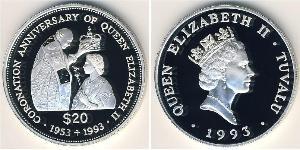
The most historically significant pieces for any serious numismatist involve the initial issues following independence and special commemorative releases. For collectors, these coins offer a glimpse into the birth of a modern nation where every design was chosen to tell a specific story about culture or history rather than just serving as legal tender.
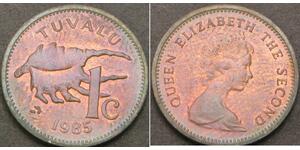
The early circulation series included denominations like one cent and two cents in bronze alloys for general trade among islanders who were transitioning away from barter goods. These simple copper-colored issues established the foundation of national identity before more silver content coins entered the market to honor high-value international transactions or commemorative milestones.
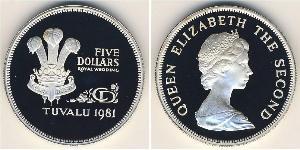
A particularly important category involves the first year independence sets released shortly after 1978. The designs featured on these early pieces often depicted elements like coconuts, fish species found in local waters, and traditional housing styles that would not appear elsewhere. Their significance lies largely in their novelty as one of the earliest independent issues from a tiny Pacific sovereign state.
Cultural Legacy
Tuvaluan coinage serves more than just an economic function; it acts as a portable museum that reflects local life and heritage. The transition away from standardized Commonwealth designs was essential to preserve Polynesian identity in the public consciousness of international trade partners.
The artistic direction shifted towards depicting specific environmental challenges like sea level rise or celebrating traditional navigation skills, aligning modern mint issues with ancient cultural values found on islands that once relied solely on star and canoe travel. The choice of subjects—from coral reefs to fishing vessels—demonstrates how the culture prioritizes its relationship with the natural environment over political themes often seen in other nations.
The coins also reflect a society where remittances from seafarers form a vital part of daily life, bringing wealth back home that funds international projects. This economic reality is embedded in the coinage through images of maritime workers or ships leaving for long voyages to distant ports around the world.
For Collectors
Tuvalu remains important to collectors today not as a traditional investment target but because every issue carries significant historical weight and limited availability. Due to low mintage numbers often restricted by budget constraints of small island governments, later issues are frequently scarce in the hands of hobbyists who seek out rare specimens.
The nation's reputation for producing unique designs has made its coinage sought after for variety within Pacific Commonwealth series rather than market value alone. Collectors appreciate that these pieces offer a chance to own part of a culture rich with over three thousand years of history and voyaging lore encapsulated in metal form accessible today.
In summary, Tuvalu stands as an essential chapter in the modern numismatic story because it bridges ancient Polynesian heritage with contemporary economic needs. The coins collected from this region are more than currency; they are artifacts that tell the evolving story of a people protecting their home while participating in global commerce without sacrificing their unique cultural legacy.