| View |
| preceded by | |
 Togo (1960 - )
|
| succeeded by |
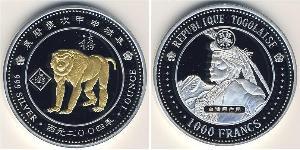
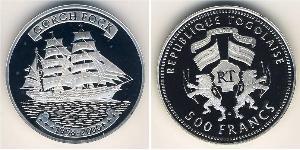
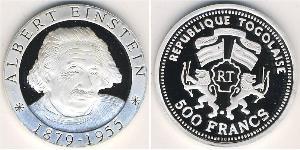
| Togo (1960 - ) | Link to Wikipedia |
Togo: History, Coinage and Collectibles
Historical Background
To understand the monetary legacy of a nation as small yet historically significant as Togo is to study one of the most complex chapters in West African history. Officially known as the Togolese Republic, this tropical sub-Saharan state sits at the confluence of major geopolitical forces that have shaped its currency and economy for nearly two centuries. The country's narrow width between Ghana and Benin makes it a strategic corridor connecting different cultural spheres. Historically referred to by Europeans as "The Slave Coast," Togo’s narrative is one where human trafficking on the coast gave way eventually to agricultural trade, specifically in cotton, cocoa, and coffee.
The roots of this monetary history stretch back to when Germany established a protectorate along its coastline around 1884. During their rule, infrastructure was built—most notably railways and ports at Lomé—to facilitate the export of these lucrative crops. The necessity to monetize this trade meant that standardized currency became essential before independence could even be imagined. Following World War I, when Togoland passed to French control in a condominium with Britain’s zone eventually joining Ghana's Gold Coast while France retained its eastern territory as French Togoland, Togo entered the sphere of Francophone monetary influence.
The road to sovereignty was fraught with political tension and military rule that would last until 1960. When Sylvanus Olympio declared independence in April 1960, he did so at a moment when African nations were redefining their national identities after decades of colonial governance. The economic landscape shifted from the extractive economies established by European powers to attempts at sovereignty and self-determination. For collectors, this period represents a fascinating transition zone: from British and French mandates into independent republics who sought financial independence through new mintage programs.
Currency and Coinage History
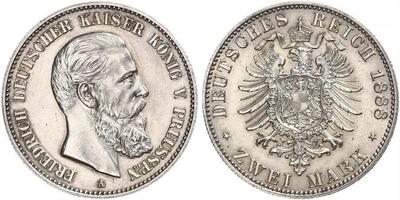
The evolution of money in Togo mirrors the broader trajectory of African economic integration with Europe. During its time as a German protectorate, the region utilized currency systems aligned with Imperial Germany's marks or local trade tokens used for colonial taxation and plantation economies. However, after 1916 when Togoland was partitioned between Britain and France—and later administered by League of Nations mandates—the numismatic landscape became deeply integrated into European colonial financial networks.
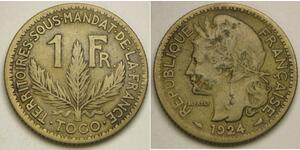
The most transformative period for Togo’s coinage began under the French mandate in 1920. Like its neighbors, it adopted the West African CFA Franc currency zone (originally based on the Belgian Congo and Senegal systems). Initially, coins were imported from France to ensure stability and prevent inflation associated with a nascent economy dependent on exports of cocoa and coffee.
The transition to independence in 1960 was not immediately followed by minting new national currencies. The French franc or transitional CFA notes remained common until the mid-20th century saw African nations slowly moving toward autonomy in their monetary affairs. During this era, Togo's coins were often indistinguishable from neighboring colonies at first glance but began to adopt local iconography and language as nationalism grew.
A unique aspect of its history involves British Togoland briefly joining the Gold Coast before voting against continued union with Ghana after independence in 1957. This means that early numismatic artifacts in Togo include currency issued by The Bank of West Africa or even colonial issues from London and Cape Town, reflecting a brief moment where Western African nations were financially intertwined through shared banking systems.
Mints and Coin Production
The physical act of minting coins is a story of artistic migration and technological transfer. For much of its early history under the French mandate, coinage was produced primarily at mints in Paris or other metropolitan centers within France's colonial empire. This practice meant that Togo circulated foreign metal struck on domestic blanks—essentially, a country paying for national circulation with assets from across the Atlantic.
Following independence, the focus of numismatic interest shifted toward designs and symbolism rather than technical specifications like edge lettering or alloy composition which were standardized by Francophone West African agreements. This period allowed artists to incorporate Togolese motifs—such as agricultural tools used for cotton harvesting mentioned in colonial reports or images referencing Lomé—the bustling port city that remains the nation's capital.
The "Rally of the People" and subsequent one-party state under Eyadéma, though politically tumultuous (which we must note only regarding historical timelines to date), did not necessarily halt coin production. In fact, many African nations continued minting during political unrest if it was a matter of maintaining economic credibility with international partners or simply circulating currency for essential trade.
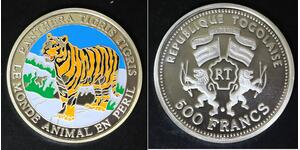
Technological changes in mintage reflect global shifts: early proofs might be made of copper-nickel or silver bullion to commemorate specific dates (though we should note that Togo did not produce much gold coinage outside the standard Franc system), while circulation pieces became increasingly aluminum-bronze to reduce costs. The artistic characteristics often feature national coats-of-arms and portraits of leaders, shifting from monarchs of France to local presidents.
Notable Coins
In the collector’s realm, Togo offers a window into African numismatics not through rarity alone but historical context. One class of interest is the transitional issues post-independence that bear both French and Togolese inscriptions or feature mixed iconography—where Lomé port scenes share space with European-style heraldry.
A particularly interesting category involves the early years when British influence lingered in adjacent areas, though Togo itself remained firmly Francophone. This allows for comparison studies between coins used in "British Togoland" (often shared Gold Coast currency) and their French counterparts at independence boundaries—creating a unique geographical numismatic divide across such small physical distance.
The introduction of the CFA system meant that high-denomination notes carried value equivalent to gold standards or backing, while smaller denominations were circulated in base metals. Collectors often seek examples from 1960-1970s where nationalization efforts began appearing on obverse and reverse sides.
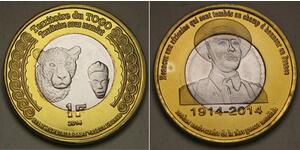
In recent decades (late 20th century), modern designs have emerged reflecting a desire to distance the visual language of coins from their colonial past, using native Ewe patterns or symbols related to cocoa farming rather than generic French emblems. These are significant because they represent national identity solidification on metal.
Cultural Legacy
The cultural legacy written onto these small slivers of metal is profound. The name "Togo" itself means "by the water," referencing Ewe language origins found in historical settlements near coastal zones where trade flourished. This maritime connection often finds expression on coins that depict ships or waves, though it may be subtle.
The economic dependence on agriculture—cotton and coffee—is a constant theme in early mintages of neighboring Francophone West Africa, and by extension Togo during its mandate period. The reverse sides frequently showcased agricultural tools or plantations, reminding the holder that this nation built wealth on soil exports rather than mineral extraction alone (though later developments introduced more industrial themes).
Religious symbols are also visible through coin design choices: while official statehood was secular and French-influenced initially, adherence to Christianity in a vast portion of the population eventually influenced mint designs that included crosses or church motifs alongside national unity themes.
For Collectors
Togo represents an important but relatively niche segment within world numismatics due to its small size and specific political history. It is not merely about finding a "rare" coin; the rarity lies in understanding what this metal tells us of colonial trade routes, French West African monetary policy (specifically regarding Franc CFA evolution), and post-colonial struggles for national sovereignty.
The significance remains high today as former colonies continue to seek their own distinct identities. For collectors interested in 20th-century history or the economics of developing nations, Togo's coins serve as tangible artifacts from a critical era of global reorganization—where African borders were redrawn and monetary zones were consolidated under European influence before eventually achieving autonomy.
To acquire these pieces is to hold physical evidence of Lomé’s growth as an Atlantic port city and the complex human history behind names like "The Slave Coast" that slowly transformed into modern economic terms. Whether in pristine condition or circulated, they stand as silent historians of a small African nation playing its part on the world stage.