| View |

 São Tomé and Príncipe (1975 - )
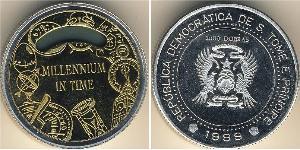
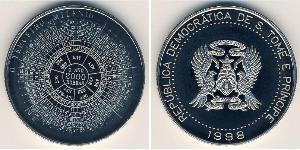
| São Tomé and Príncipe (1975 - ) | Link to Wikipedia |
São Tomé and Príncipe: History, Coinage and Collectibles
Historical Background
The volcanic archipelago of São Tomé and Príncipe represents one of the most fascinating corners in African history. Located off the western equatorial coast, these islands were among the first European outposts on the mainland route to Asia before their potential for agriculture became fully realized by Portuguese explorers during the late fifteenth century. While many small regions remain unknown to casual historians because they appear only briefly within major empires of Portugal and Spain, São Tomé holds a distinct position in Atlantic history through its unique connection to trade routes that defined global commerce.
The islands initially served as a way station for traders passing along the African coast. Their primary historical function before independence revolved around plantation economics driven by crops such as coffee and cocoa during the late nineteenth century, which established an economy heavily reliant on international exchange rates rather than internal trade balance in those early days of development.
Economic prosperity fueled political movements leading toward autonomy, ultimately culminating in formal separation from Portugal. This historical shift is significant for collectors because it coincides with a transition from foreign-issued currency to sovereign monetary control within the island nation that continues today through their own central bank structures established after decades of colonial rule.
Currency and Coinage History
The Evolution of Local Exchange Systems:
Before independence in 1975, the islands circulated Portuguese currency known as Escudos. This was a practical reality because small colonial territories rarely developed their own distinct currencies until national sovereignty had taken firm hold against international banking standards and treaties of that era.
The transition to local Dobra coinage occurred gradually after independence when economic autonomy became paramount for building domestic confidence in the island nation's economy. The adoption of local currency was a symbol of self-determination, marking the end of an era where foreign administration managed commercial exchange rates directly tied to colonial metropole policies.
This transition mirrors similar historical patterns seen across Africa during decolonization movements throughout the mid-twentieth century and early decades following World War II. Collectors interested in monetary independence often view this shift as a narrative about how nations reassert their identity through financial policy rather than military force or diplomatic agreements alone.
Mints and Coin Production
The coinage of São Tomé and Príncipe was produced outside its borders during the colonial period, utilizing facilities in Lisbon before independence. This reliance on foreign minting centers is common for small territories lacking industrial capacity to manufacture high volume currency without significant state investment or international treaty agreements.
The early post-independence Dobra circulation featured distinct artistic characteristics that differentiated them from Portuguese stock still circulating during the transition years, though some overlap remained visible in denominations and design motifs. This scarcity of local production centers adds a layer of rarity to surviving specimens from this specific period within the nation's short history.
Mint quality control reflects standard international practices used for small states dependent on third-party manufacturing facilities to meet their daily commercial exchange needs without building expensive industrial infrastructure domestically at that time in global banking evolution.
Notable Coins
The first sovereign coins introduced during the transition period featured designs highlighting national independence themes alongside traditional imagery drawn from local flora and fauna. These early issues serve as historical markers for collectors studying how new republics define themselves through visual symbols embedded on currency used daily by citizens living under foreign economic conditions.
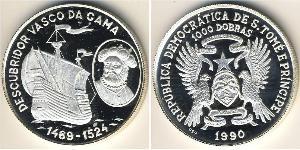
Later commemorative releases often celebrate specific events, such as anniversaries of the establishment or independence years with high-relief artistic treatments that make them attractive to advanced dealers in rare specimens. The most significant historical coins for collectors are those marking the full shift from Escudo-based economies and their subsequent replacement by locally controlled denominations.
Rareness is primarily determined by mintage volumes typical of island territories where demand does not exceed local consumption needs significantly compared to larger nations with massive population bases that produce mass coin runs daily. Consequently, survival rates for early Dobra series are lower due to lack of circulation outside the archipelago during those fragile first decades following independence.
Cultural Legacy
The cultural legacy embedded in coinage is evident when examining reverse designs which frequently reference Portuguese Catholic heritage mixed with indigenous African artistic motifs. The use of religious symbols alongside national agricultural icons reflects the dual influence that shaped society during colonization and its transition to modern democratic governance systems established after decades under rule by external colonial powers.
Symbols on coins also reflect volcanic landscape characteristics unique to this specific archipelago found nowhere else in Atlantic territory maps used for international trade routes. Collectors today appreciate how these small design elements tell stories of island isolation and natural beauty captured permanently through high-relief engraving techniques employed by skilled artists across Portuguese artistic schools.
For collectors
São Tomé and Príncipe remains a compelling subject for advanced numismatists interested in exploring monetary history within small African territories that successfully managed economic sovereignty. The value here lies not necessarily in mass production numbers but rather historical context regarding how these items reflect broader geopolitical shifts experienced during the mid-twentieth century across Atlantic trade routes.
The scarcity of genuine early independence issues makes them desirable for museums and specialized auction houses looking to add African colonial history specimens that illustrate successful decolonization transitions through monetary means. For collectors, understanding this historical backdrop provides appreciation beyond catalog values as each piece serves as a tangible artifact representing the island nation's journey toward economic maturity within modern international banking standards.