| View |
| preceded by | |
 Sri Lanka/Ceylon (1948 - )
|
| succeeded by |
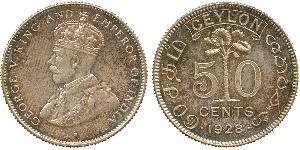
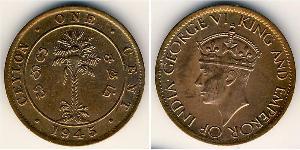
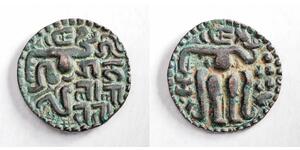
| Sri Lanka/Ceylon (1948 - ) | Link to Wikipedia |
Sri Lanka: History, Coinage and Collectibles
Historical Background
To understand the coinage of this island nation, one must first grasp its position as a jewel in an ancient necklace that strung together East and West Africa to India. For millennia before recorded history arrived with European ships, Sri Lanka stood at the apex of maritime activity for nations like China and Japan who sailed past Malacca on their way home. It was not merely land; it was an island fortress where culture, religion, and trade converged under shifting colonial skies.
The narrative begins in ancient times when local kingdoms traded with Rome and Persia long before these names were known across the ocean. This early prosperity set a tone of independence that would define its history until 1948. Yet, what is truly fascinating for collectors lies not in the political upheavals or civil strife of later centuries—conflicts too often marred this land—but rather in the quiet commerce and administrative transitions driven by three major colonial powers who held sway over its shores: Portugal, The Netherlands, and Great Britain.
Cultural roots are deep here. From 543 BCE to independence, a lineage of monarchs ruled, many seeking legitimacy through Buddhism or alliances with Indian dynasties like the Cholas. It was in this environment that trade routes were established using coinage as medium rather than barter alone.
Currency and Coinage History
The introduction of money into Sri Lanka is a reflection of its role as an entrepot on the Maritime Silk Road. In ancient history, bullion was common to settle with neighbors in India who were already established coin users; later, Chinese coins from Guangzhou or Amoy found their way down through Malacca to be hoarded or used by coastal merchants.
The European era brought a structured system of currency that remains central today. The Portuguese arrived early in the 16th century and introduced silver cruzados which were essentially copies of local Indian rupees but minted with Christian iconography for use within their forts at Colombo, Galle, Jaffna and Kandy.
The Dutch took over the coastal trade routes later than the Portuguese. They established mints that struck copper coinage used as currency on the island itself—the so-called Cents—and silver Guilders which were often re-struck from older Spanish or Mexican coins due to a lack of bullion supply, though they did mint new pieces occasionally.
The British takeover in 1796 marked a shift toward standardization. They introduced copper half-cent and brass annas for low denomination usage alongside silver rupees used on the high seas with ships sailing home from Calcutta or Madras. The currency system became part of a broader Indian monetary circle, though Ceylon coins retained their own distinct character through portraits stamped in honor of reigning British monarchs.
Mints and Coin Production
The production centers for this coinage were as varied as the powers themselves. During Dutch rule (the 18th century), a mint was established at Colombo to issue copper pieces specifically for local commerce, with designs often featuring portraits of monarchs flanked by symbols like anchors or lions representing naval power.
A peculiar tradition developed during this time known locally among collectors as the "Galle" coins—these were distinctively produced in smaller numbers before production shifted entirely back to India after independence. However, even these are significant because they feature unique die arrangements and often lack intricate border details found on British mintage.
The British era saw a professionalization of minting operations at the Royal Mint facility located within Colombo itself during certain periods (though largely contracted out to Bombay). The production styles here evolved from punch-struck methods typical of early coins toward machine strikes as technology advanced. Each transition brought changes in edge quality, metal weight standardizations and artistic representations.
Notable Coins
The silver Portuguese Cruzado is often the starting point for a collection's journey into this region. These pieces are prized because they were minted during early colonial settlement attempts where coins bore legends like "Cruzudo de Ceila" or cross-and-shield designs that speak of religious wars fought over land.
The Dutch Galleys, struck in copper with an image of a ship (or galley) facing left surrounded by decorative elements are perhaps the most iconic numismatic souvenir from this period. They serve as historical records for naval dominance at sea rather than just monetary value onshore. These coins were used to pay sailors and officials during the Dutch East India Company rule, making them essential documents of maritime labor history.
Among British pieces, there is a special place in collector's hearts reserved for high-denomination silver coins such as the 1 Rupee or Half-Rupee bearing portraits of Queen Victoria. These were designed by artists at home who tried to capture Sri Lankan motifs—such as native flowers and animals like elephants—but often found they lacked cultural nuance compared to contemporary British India issues.
The most famous issue remains the Ceylonese Annas produced in vast quantities during World War I (1914–1920). These small brass coins are rare due to their low face value and widespread circulation as everyday change. Surviving specimens with original mint luster or attractive toning represent a tangible link back to daily life before independence.
Cultural Legacy
The visual language of Sri Lankan coinage tells the story of its hybrid culture better than written records ever could during these turbulent centuries. Every design element—from an anchor on one side to floral wreathes on another—reflects how trade dictated local economy while colonial rulers projected their imperial image onto this exotic territory.
The use of Buddhist imagery in later issues reflects a gradual reclamation of national identity by locals who used coinage as propaganda for the new nationhood. However, these are less common among private collectors today than earlier Dutch or Portuguese types which remain highly valued due to survival rates and aesthetic qualities developed during this unique historical period.
For Collectors
This material remains an invaluable resource because it represents a rare moment where three major European powers left distinct legacies within a single territory. Each series—from the early Portuguese pieces struck from Spanish silver to British copper annas—carries intrinsic weight beyond just monetary value.
A well-chosen collection might include high-grade examples of both colonial types and independent-era issues, illustrating how an island transitioned into global trade partnerhood while maintaining cultural independence throughout tumultuous centuries. These coins are accessible entry points for those interested in numismatic history because they document the flow of goods across oceans.
Sri Lankan coinage is not merely currency; it is a silent chronicler of empire, religion and commerce that continues to captivate enthusiasts today with its intricate designs and historical connections. Whether you seek Dutch copper cents or Portuguese silver rupees, each piece offers insight into centuries when the Indian Ocean held sway over world trade routes.
The enduring interest in these coins lies not just in rarity but in their ability to transport us back through time—when sailors hoarded Spanish dollars at Galle Harbor or merchants paid wages from Colombo mints. By collecting them, one preserves a tangible memory of global history written into brass and silver for future generations.