
| View |
| preceded by | |
|
|||||||
 Spanish Netherlands (1581 - 1714)
|
|||||||

| succeeded by |
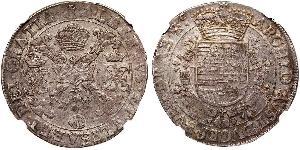
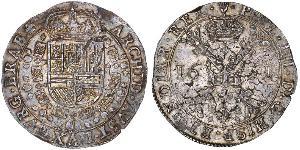
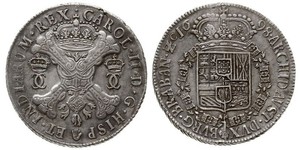
| Spanish Netherlands (1581 - 1714) | Link to Wikipedia |
The Spanish Netherlands: History, Coinage and Collectibles
In the intricate tapestry of European history, few regions hold a significance comparable to that of the historic possessions known by traders as the Low Countries under Habsburg rule. Often referred to in modern parlance as the Spanish Netherlands during their period of allegiance to Madrid, this territory functioned for centuries as one of the most dynamic economic and cultural centers on Earth. For collectors seeking to understand how wealth flowed through pre-industrial Europe and how political shifts were physically etched onto metal currency, these coins offer a window into a world where trade was paramount.
Historical Background
The genesis of this territory can be traced back to the legacy of Charles V. Initially governed by his father Philip I but solidified under him and later passed through the Habsburg line, these lands were often administered from Brussels before moving more directly into Spanish central control following 1598 when they became distinctively linked with Madrid's broader imperial agenda. This connection was not merely administrative; it meant that coinage standards in Flanders aligned closely with Castile and Mexico.
The political landscape of the region served as a crossroads for global commerce, particularly via the port city of Antwerp before its decline during the first major conflicts known today through their namesake wars. Throughout this period, the stability required to produce coinage was frequently tested by religious differences that eventually led to partitioning between France and Spain in later centuries.
The Spanish Netherlands remained a vital node in global shipping routes until it lost much of its commercial importance after 1609 when trade shifted northward toward Amsterdam. Yet, even as the primary economic capital moved, local governance maintained strong control over mint operations to fund their defense and administration against maritime powers like England or France.
Currency and Coinage History
The evolution of money in this region followed a clear progression from high-value bullion coinage necessary for international trade towards denominations suited for local merchant exchange. Early production favored the Florin type, which became heavily associated with Burgundian rule before Spanish consolidation brought uniformity.
- Ducat Series: The gold ducats were essential for paying debts and settling high-value transactions between merchants in Antwerp and Seville or London
- Silver Standards: The Pillar Real became standard but was often replaced locally by silver Piastres which circulated widely across the region after 1640
An important reform occurred during the reign of Philip IV, where stricter control over metal content in circulation attempted to stabilize the currency against debasement practiced elsewhere. However, inflationary pressures caused by wartime expenses frequently forced adjustments that collectors study today.
Mints and Coin Production
Ancient traditions dictated that coin production relied on punch craftsmanship rather than modern striking machinery until very late in its history. The Antwerp mint stood as one of the most prestigious workshops, producing pieces with exquisite detail before political turmoil forced many artisans to relocate.
Mint marks played a crucial role in authentication and regional identification. In the 17th century, various symbols were used across Brussels and Mechelen to denote where specific batches had been struck or by which master die cutter they were overseen.
- Brussels: Served as an administrative capital for mints in the region
- Antwerp: Famous for its silver coinage before 1590s decline due to economic shifts and war
Notable Coins
Few coins represent the height of this empire's ambition more clearly than a well-preserved Ducat minted under Charles V. This piece featured high-relief portraits designed by Italian masters working in the Low Countries before they moved to France or Spain.
Another category highly prized involves late silver issues from Bruges and Lille after 1600, which often carried specific regional heraldry reflecting a blend of Spanish arms with local Burgundian shields. The presence of such designs indicates when production shifted away from purely state-mandated art toward more localized expression as central control weakened.
Certain issues found only in lower grades were originally struck to pay soldiers during sieges; their survival is often tied to hoarding behavior rather than intentional retention for future study, making high-grade examples exceptionally rare outside of specialized auctions. Collectors value these pieces not merely by weight but because the imagery tells a story of resistance and adaptation under shifting rulers.
Cultural Legacy
The artistry found on coinage reflects broader cultural movements in Europe during this period, where iconography moved between Italy's Renaissance styles and Northern European realism. Religious motifs like the Virgin Mary or Saint Christopher were common denominators across many issues before censorship laws began influencing design choices significantly.
- Heraldic Elements: Blazons showing combined Spanish Habsburg crowns with Burgundian lions
- Artistic Style: Engravings influenced by Flemish painters of the Golden Age who often worked as dies designers themselves
This fusion allowed for a unique visual language that distinguished regional coins from purely Iberian issues, allowing scholars to trace trade routes and diplomatic relations through metallurgical analysis and stylistic comparison.
For collectors
The historical significance of coinage originating in the Spanish Netherlands cannot be overstated. It connects the global silver market driven by American discovery with local consumption needs that eventually outpaced centralized supply from Seville or Madrid today, auction houses see frequent interest because these items document a complex era.
Why These Coins Matter:
- Ancient provenance of trade routes between Mediterranean and Baltic seas
- Pieces serve as tangible links to the artistic masters who decorated them during times when art was strictly regulated by state authority
- The scarcity comes from confiscation events or wartime damage rather than simple lack of production volume, which adds a layer of historical narrative value for every lot sold
In conclusion, examining these coins allows the modern buyer to hold physical pieces that once circulated in one of Europe's busiest commercial hubs. While they no longer serve as currency themselves, their weight and design continue to educate us on how nations were governed financially before paper money became dominant.