| View |
| preceded by | |
 South Africa (1910 - )
|
| succeeded by |
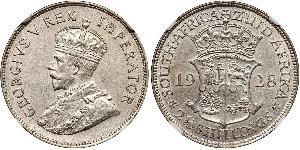
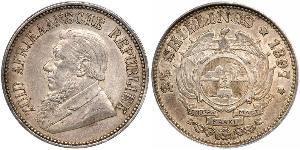
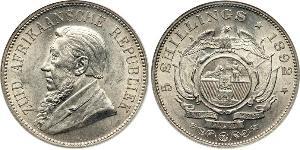
| South Africa (1910 - ) | Link to Wikipedia |
South Africa: History, Coinage and Collectibles
Historical Background
Welcome visitors. Step into a world where ancient human stories intersect with dramatic political upheaval. South Africa is not merely a nation on the map; it is an archive of civilization at its very edge. This region stands as the cradle of humanity, holding within its soil and stone some of the earliest evidence of our existence.
The narrative here began long before modern borders were drawn. Archaeological whispers suggest that various hominid species walked these lands nearly three million years ago. The famous Taung Child fossil is but one testament to a deep past where humanity first looked up at the sky and wondered about itself. But this story does not end in prehistory; it flows into recorded history through the eyes of European explorers who encountered the indigenous Khoisan peoples, skilled hunters and herders.
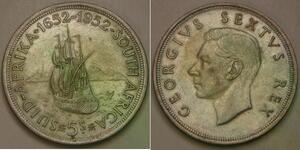
In 1652, the chapter shifted when the Dutch East India Company established a freshwater supply depot at Table Bay. This was no mere fortification; it became a bustling trading hub for ships crossing from Amsterdam to Batavia in Jakarta. It marked the transition of Southern Africa into a European economic sphere.
The landscape continued its transformation as British forces engaged with Dutch settlers, leading to significant changes by 1806 and eventually the formation of the Union of South Africa following World War I. The journey from an outpost of empires to a modern republic was marked by deep internal conflict, particularly the struggle against institutionalized racial segregation that defined much of its history.
Currency and Coinage History
Metal money first appeared in these lands during the era of intense imperial expansion. Initially, trade relied heavily on barter between local communities and European traders for goods like ivory, timber, gold, and eventually diamonds from Griqualand West.
The formal introduction to coinage came under British protection with the arrival of paper banknotes printed in England before circulation began locally within the Cape Colony. Over time, a system evolved where colonies issued their own currency but often relied on English sterling standards until independence unified them into a single economy. The Union established a standard currency called "sterling," which would later evolve into our modern monetary unit.
The transition to a republic in 1961 brought new complexities to the coinage of this nation, as its designs began reflecting both English and Afrikaans influences while managing delicate political balances during tumultuous times. It was not until universal suffrage came that coins truly represented all citizens equally rather than serving as propaganda or currency for specific factions.
Mints and Coin Production
The heart of the minting operation lies in South Africa's own industrial capabilities, housed within massive modern facilities near Pretoria. These operations were established to support local commerce but have grown into a world-class facility producing coinage not just for home consumption but also as official issues recognized globally.
Minting tradition here reflects centuries of craftsmanship that began with simple copper pieces and progressed through gold proof coins struck at high pressure onto polished metal dies. Artistic characteristics distinguish this country's productions; from early depictions of local wildlife to intricate portraits capturing national icons, these designs are meticulously crafted to reflect the identity of their owners.
Notable Coins
The Queen Victoria Half Crown (1840-1935)
- Historical Context: Produced during British imperial rule, this piece served as a symbol of colonial dominance.
- Design Features: The obverse bears the portrait of Queen Victoria while reverse designs varied over decades showing heraldic emblems and local flora.
- Importance to Collectors: These coins bridge early Victorian era portraiture with later artistic trends. Variations from different years are sought after for their historical representation of empire building in Africa.
The Centenary Coin (1962)
- Historical Context: Celebrating independence from Great Britain, issued just months after the formal declaration as a Republic.
- Design Features: Often features motifs representing natural landscapes and symbols of unity intended to replace British imagery with indigenous artistry.
- Importance to Collectors: As an inaugural issue for post-colonial independence, these pieces are symbolic artifacts marking the birth of a sovereign nation-state identity.
The Gold Krugerrand (Introduced Later)
- Historical Context: The mining sector fueled economic growth; gold was extracted for decades by South African companies, eventually becoming so significant in global finance that this coin emerged.
- Design Features: Struck from pure 24 karat gold with a distinctive yellow color and inscribed "Krugerrand," representing the rich mineral wealth of the nation.
- Importance to Collectors: Beyond being an investment tool, these bullion coins are among the most collected precious metal pieces worldwide. They serve as tangible links connecting African history with global financial markets through the artistry on their surfaces.
Cultural Legacy
The coinage of this country is a mirror reflecting its rich cultural tapestry and complex economic evolution. Every relief, every inscription tells part of a story about resilience during difficult times or celebration after great victories in democratic governance processes.
Designs feature iconic wildlife like leopards, rhinoceroses, elephants, as well as landscapes depicting diverse biomes ranging from savannah to mountainous terrain. This focus on biodiversity highlights conservation efforts that define how contemporary nations view their natural heritage.
For collectors
This region remains a fascinating study for enthusiasts interested in history and monetary arts because each piece offers insight into broader themes: trade, colonization struggles against segregation laws leading up to democracy movements worldwide today. Understanding why these objects were made helps us appreciate what they mean now — as artifacts preserved forevermore not just within museum cases but perhaps even more importantly right here under your own noses if you look closely enough at those old coins sitting quietly on desks or shelves around the world.