| View |
| preceded by | |
 Slovenia (1991 - )
|
| succeeded by |
| Slovenia (1991 - ) | Link to Wikipedia |
Slovenia: History, Coinage and Collectibles
Welcome to the treasury of the Slovenian land. To understand the silver struck here today, one must first walk through centuries of empires, trade routes, and mountain passes that connect Italy with Vienna.
Historical Background
The geography of this region is as distinct in its history as it was on a map long before borders were drawn. Situated between the Italian Apennines to the west and the vast plains leading into Pannonia, Slovenia has always functioned as an economic gateway. The capital of Ljubljana, known historically by Roman names like Emona or Aquileia influences, served not merely as a political seat but as a strategic hub where coinage circulated freely between East and West.
The narrative begins with the prehistoric inhabitants who crafted flutes in cave depths thousands of years ago. As time moved forward into recorded history, Roman legions fortified this corridor to protect their own heartlands from incursions by Germanic tribes. The Romans built roads that connected Italy directly inland; these arteries facilitated commerce so vast they required heavy coinage like the denarius and aureus. When Slavic tribes migrated across the Alps centuries later, they brought with them a distinct cultural identity yet remained under the sway of broader geopolitical forces. Under the Carolingian Empire and subsequently the Holy Roman Empire, the territory known as Carniola evolved into duchies ruled by feudal families.
The consolidation began firmly under Habsburg rule in Vienna. This era was crucial for commerce because it standardized trade within a vast European market. Following World War I and subsequent treaties leading to Yugoslavia's formation, Slovenia became part of a Balkan federation focused on industry and agriculture before eventually declaring independence from socialist control in 1991.
This political evolution inevitably dictated the currency system. A land so often contested saw coins minted for emperors who ruled over it one day only to be succeeded by kings ruling over a neighboring realm later. The resilience of this territory, however, lay not just in its mountainous terrain but in its economic necessity.
Currency and Coinage History
Money evolved here alongside the very stone foundations of cities like Celje and Ljubljana. In the Roman period, the region was a minting center for silver denarii that circulated through trade guilds connecting Italy with Pannonia.
- The Middle Ages saw circulation largely under Venetian influence in coastal areas while inland duchies issued their own silver groats to pay taxes and soldiers.
- Carniola's dukes began standardizing silver output, marking the shift from raw barter economies toward a more sophisticated monetary state system.
As feudalism transitioned into early modern nation-building under Austrian administration in Vienna, coinage became uniform. The Austro-Hungarian Ducats and Florins were powerful currency instruments because they backed international trade routes running through this valley. These coins often featured elaborate designs that showcased the wealth of a territory where silver from alpine streams fed both industry and commerce.
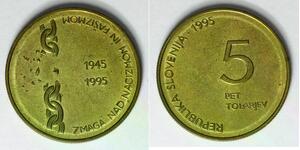
In 1945, following World War II, the Socialist Federation adopted dinars for internal circulation to support planned industrialization efforts within Yugoslavia.
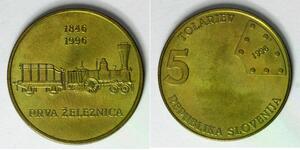
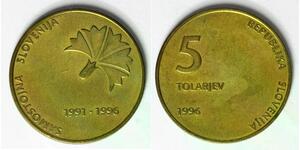
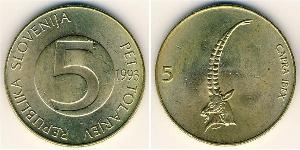
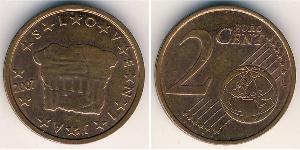
This modern era saw heavy coinage issues focused on manufacturing exports. Following independence in June of 1992 and later Euro adoption, this region joined a new monetary union reflecting its integration into global markets once again.
Mints and Coin Production
The production centers for these coins were historically located near major trade cities where security could be maintained over long periods. Emona remained the primary focus during antiquity, with artifacts proving that local mints operated there from at least 43 BC onwards.
- Celje is another center often cited in numismatic records for silver production and regional minting traditions spanning several centuries under ducal rule before becoming part of a centralized Austrian administration.
The technologies employed evolved alongside art. Early pieces bore simple designs necessary for mass circulation, while later issues from the Habsburg era utilized high artistic standards to promote imperial prestige. The transition from hand-stamped silver sheets struck in open-air workshops during medieval times moved toward mechanized minting presses by 1800s.
The artistry was always tied to local craftsmanship traditions rooted in carpentry and mining skills prevalent in the Alpine valleys. These skilled hands ensured that even small coins carried intricate iconography, whether depicting an eagle for Vienna or a mountain peak representing the Julian Alps.
Notable Coins
No serious collection of this region is complete without examining the artifacts found from Roman ruins around Ljubljana. Aurei (gold solidus) and denarii bearing imperial portraits are among the earliest known issues, valued not just for their intrinsic metal content but because they represent a trading link between Rome's Mediterranean empire and its northern hinterlands.
In medieval times, silver coins depicting the coat of arms of specific duchies offer insight into local governance. These pieces often feature intricate heraldic shields that are now highly prized by those interested in genealogy or regional history rather than monetary value alone.
- The Habsburg Ducat represents a golden age for numismatics here, where coins were minted with exceptional quality and bore the imperial eagle to denote loyalty to Vienna. They function as tangible tokens of Austria's central European dominance during peace treaties following centuries of war.
Jugoslav-era issues showcase industrial themes or nationalistic symbols relevant to post-war reconstruction efforts in a developing economy focused on manufacturing exports rather than agrarian survival.
Cultural Legacy
The symbolism etched into these metal disks reflects the culture of their time. Religious imagery, particularly saints like Michael, appeared frequently because Carantania was among the first Slavic regions to adopt Christianity through Irish missionaries in the early Middle Ages. This legacy is seen clearly on older pieces where religious iconography protected coin circulation during turbulent political times.
Nature features also play a role as Slovenia's mountains and forests shaped its identity. Later issues incorporate symbols of Triglav, the highest peak representing independence and unity within borders that are largely peaceful today despite historical fragmentation over centuries.
For collectors
This region continues to fascinate enthusiasts because it bridges two major monetary worlds: Central Europe's imperial silver age and modern European Union integration. Collectors seeking medieval finds should focus on the groats struck by local dukes in Celje or Koper where Venetian influence lingered longest before Habsburg consolidation.
The appeal lies also in their rarity; Roman artifacts preserved under centuries of soil offer a rare glimpse into ancient commerce networks stretching from Trieste northward. The historical narrative here allows for storytelling about how borders shifted yet economic ties remained strong across Italy, Hungary and Austria throughout the last two millennia.