| View |
| preceded by | |
 Singapur (1965 - )
|
| succeeded by |
| Singapur (1965 - ) | Link to Wikipedia |
Singapore: History, Coinage and Collectibles
Welcome to our exploration of one of Southeast Asia’s most fascinating small states through its history as preserved in metal and currency.
Historical Background
To understand the coinage found in Singapore today or from centuries past, we must first look at how this maritime emporium rose to prominence. The name ‘Singapore’, derived from Sanskrit for a city of lions and earlier known as Temasek by local Malay traders, tells us much about its origins as an entrepôt rather than an imperial capital.
The narrative begins with the ancient sultanates which controlled trade across these waters. By 1820, Stamford Raffles had established British authority here to facilitate trade between China, India, and Europe. This shift from a local Malay economy governed by Sultanate silver standards to a British colonial framework is crucial for numismatists.
The economic function of this tiny island was always global; ships laden with rubber, spices, and later electronics docked here daily. Consequently, the coins needed to circulate in Singapore had to match the high-volume international commerce that defined its history during the 19th century.
Currency and Coinage History
The evolution of money on this island is a story of transition from traditional silver standards to British colonial currency. Early trade relied heavily on Spanish dollars, which circulated as ‘pieces-of-eight’. These foreign milled coins found their way into circulation alongside early government-issued issues.
In the 1820s and later throughout the mid-century, Singapore became part of a wider monetary system known as the Straits Settlement currency. This included denominations ranging from pennies to sovereign-sized gold units issued in India but authorized for local use by British officials in Malacca, Penang, and finally here.
Upon gaining independence in 1965, Singapore faced the complex task of establishing a national monetary system while breaking away from the sterling standard. This era saw the introduction of decimal coins like one-dollar and five-dollar pieces, replacing older silver issues that had been withdrawn or demonetized.
Mints and Coin Production
Intriguingly for collectors, Singapore’s coinage was not struck locally in its early colonial years. During the Straits Settlements period, most coins were actually produced at Royal Mints outside of Singapore itself, often with designs adapted to suit local needs but striking conventions typical of Calcutta or Bombay.
This reliance on external mints led to interesting die pairings and varieties that are highly sought after by specialists. As the state matured following independence, production capabilities grew locally. The artistry found in these coins reflects a blend of British artistic traditions with distinctly local subjects introduced gradually into relief designs.
Notable Coins
- Straits Settlement Half-penny (1840s-60): This small, common coin is significant for its historical context rather than scarcity. It bears the iconic British lion head facing right but was minted to facilitate street trade in a tropical climate where silver tarnished rapidly.
- The 1959/1960 Independence Commemorative Set: As Singapore moved toward self-governance, special issues were struck featuring heraldic imagery of the newly formed state. These early sets bridge the gap between colonial rule and national sovereignty for collectors interested in political history.
- The 1967 First Independence Decimal Series: The introduction of new coinage marked a complete break from British currency standards to reflect local identity immediately following independence in August 1965. These coins introduced the Merlion and national floral motifs that became iconic for modern collecting.
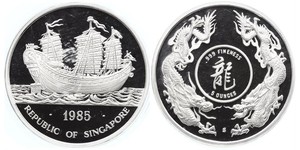
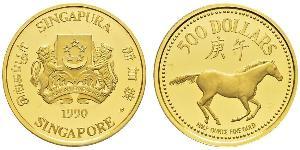
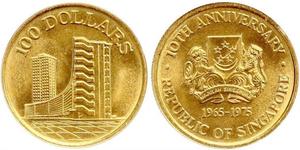
- The Gold Bullion $2 Coin Series: For collectors of precious metal, these commemorative gold issues are popular not just as investment but as art pieces. They often feature high-relief designs celebrating specific milestones in the history of the Asian city-state or international cooperation efforts within ASEAN.
Cultural Legacy
The imagery stamped onto these coins serves a purpose beyond economic necessity; it is a visual representation of national identity. Early issues featured European iconography, reflecting the colonial governance structure at that time in history. Later designs shifted dramatically toward multicultural elements.
We can see this evolution reflected in how nature was depicted on coinage: early birds and flora from the island’s lush rainforest gave way to symbols of unity found across the different ethnic groups within society, such as floral motifs or scenes depicting cultural heritage. The famous Merlion statue often appears later in modern series, bridging the gap between ancient history represented by lions (the name Singapura) and contemporary Singaporean identity.
For collectors
Singapore represents a unique historical niche for numismatists seeking to own pieces of a specific era that connects East with West. The small size of the coinage, originally intended for local commerce rather than large-scale imperial hoarding (until independence), makes certain early colonial issues highly desirable as examples of trade in Southeast Asia.
The island’s rapid transition from British colony to independent republic means you can own a physical token representing two distinct political eras in the span of decades. It is this connection to global history, paired with high-grade preservation often found on early issues, that keeps these pieces relevant and exciting for collectors studying Asian monetary systems.