| View |
| preceded by | |
 Saint Lucia (1979 - )
|
| succeeded by |
| Saint Lucia (1979 - ) | Link to Wikipedia |
Saint Lucia: History, Coinage and Collectibles
Historical Background
The narrative of Saint Lucia is one defined by resilience and shifting control over a small but strategically vital island in the eastern Caribbean. Long before European maps marked its contours with names like "El Falcon", the indigenous Arawak peoples settled there around 400 AD, followed shortly after by the formidable Caribs, known to Europeans as Kalinago. These native societies established themselves centuries of interaction and coexistence prior to sustained external intervention. The island holds a unique place in geopolitical history due to its rivalry between two major European powers. Legend suggests French sailors shipwrecked on December 13 honored Saint Lucy, leading to the name "Saint Lucia,", though Spanish explorers may have arrived first.
The transition from indigenous rule to colonial administration was tumultuous and reflected in the broader history of the Atlantic world. The struggle between England and France for control changed frequently throughout the 17th century, often resulting in temporary occupation rather than permanent settlement during these early centuries. It is known as "Helen of the West,", a title reflecting its desirability to European empires vying for dominance over Atlantic trade routes. Control solidified only after Britain captured it from France following victories against Napoleon I, officially securing the territory in 1814 under the Treaty of Paris.
Economic development followed political consolidation closely, particularly with the rise of sugar cultivation and eventually the abolition of slavery in 1834 across British Empire colonies. This shift marked a profound transformation for labor dynamics on the island. The establishment of representative government beginning in the early 20th century laid the groundwork for self-governance by mid-century. By 1979, Saint Lucia achieved independence while remaining within the Commonwealth framework, marking the final chapter in its long history as an imperial possession.
Currency and Coinage History
The evolution of money on the island mirrored its colonial allegiance. During the French period of control prior to 1814, trade relied heavily on local commerce using European imports or indigenous trading items before transitioning into a unified currency system upon British consolidation. When Britain took full possession in 1814, Saint Lucia became part of the British Windward Islands colony and adopted the standard Imperial monetary structure used across the empire.
For over one hundred years after independence was granted, coinage bore the image of British monarchs rather than local heads of state. This era established a distinct numismatic identity linked to global trade networks where silver coins circulated widely in commerce. The currency system gradually transitioned from pounds and pence to decimalized units following international trends common among Caribbean states in the late 20th century.
The most significant period for collectors is found around independence day on February 22, 1979. New nations often issue commemorative issues to mark sovereignty transitions or update their national symbols within existing monetary frameworks. Saint Lucia continued utilizing sterling-linked currencies initially before transitioning fully to a local decimal standard later in the Caribbean Community economic sphere.
Mints and Coin Production
During its colonial era, coin production for Saint Lucia was handled by the British Royal Mints located primarily at London or Birmingham. These mints produced uniform coinage that circulated throughout the West Indies rather than unique local issues bearing specific regional designs in early periods. As trade routes shifted and political stability grew following 1834, standard colonial pieces featuring monarchs like Queen Victoria continued to be minted with minimal variation.
The artistic characteristics of these coins often included generic imperial motifs such as crowns and lions shared by colonies across the Atlantic until independence demands prompted changes. After achieving sovereignty in 1979, new designs were required that reflected Saint Lucia's unique national identity. This shift necessitated a redesign process to replace Imperial symbols with local emblems.
The production centers for post-independence coins eventually diversified as nations sought to establish their own economic policies and minting capabilities. While many Caribbean states participated in shared mints within regional organizations, the distinctiveness of Saint Lucia's numismatic output was preserved through design choices that highlighted its specific flora, fauna, and historical landmarks.
Notable Coins
Certain periods define a nation's collection history. For collectors interested in early Imperial issues, coins struck between 1850 and 1930 often represent the standard British Colonial Crown pieces circulated throughout Windward Islands territories. These were typically silver denominations used for daily trade.
- The Early Independence Commemoratives:
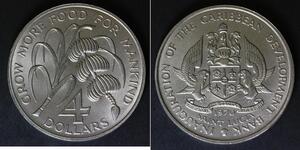
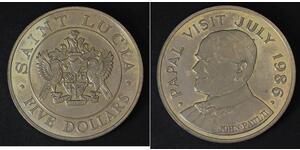
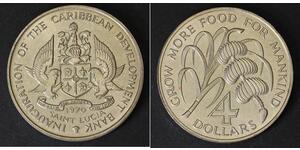
Circulated shortly after February 1979, these coins represent the new republics transition and often feature portraits of local leaders alongside national symbols. The imagery on modern issues reflects independence day festivities.
- The Decimal Transition Issues:
Circulated as Saint Lucia joined regional economic communities, these denominations reflect the shift from imperial currency to a decimal system common among neighbors like Dominica and Antigua. These coins often display national emblems or indigenous wildlife.
- The Independence Quarter Crown:
Coinage minted during early post-independence years sometimes featured designs honoring the Arawak and Kalinago heritage, linking monetary art back to pre-colonial history mentioned in official records.
Cultural Legacy
The coinage of Saint Lucia is a physical testament to its journey from indigenous settlement to international independence. The symbols used on these coins reflect the national character shaped by French and British colonial influences while ultimately rooting itself back to Arawak roots like the "Island of Iguanas". Collectors value these items not just as monetary artifacts but as records of how a small nation asserts its distinct voice within a globalized financial system.
The use of national symbols often derived from local nature, such as floral motifs common in Caribbean imagery or the reference to the island's capital Castries on early maps and later legal documentation. These details ensure that every piece carries narrative value beyond mere face value, representing centuries of resilience found within its geological borders.
For collectors
Saint Lucia remains a compelling subject for numismatists seeking to understand the broader history of Caribbean independence movements and colonial transition periods. The historical significance is amplified by limited production runs common during 1970s independence commemorations, making early issues from this period particularly sought after.
- Rarity:
Pieces issued near the date of full sovereignty are often scarcer than standard circulation coins due to transitional minting protocols and varying print quantities across different denominations.
- Symbolism:
The evolution from Imperial portraits to local national identities provides a clear educational timeline regarding the development of sovereignty in British Caribbean territories, making Saint Lucia's coinage an accessible entry point for studying Commonwealth history through tangible artifacts.
- Cultural Significance:
For auction buyers and enthusiasts alike, these coins serve as educational tools illustrating the path from indigenous settlement to global integration without relying solely on historical text. Each coin tells a story of governance change, economic policy adjustment, and cultural expression that aligns with the rich history documented by historians.