| View |
| preceded by | |
 Rwanda (1962 - )
|
| succeeded by |
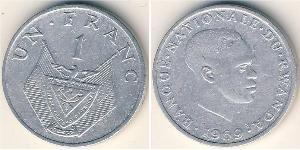
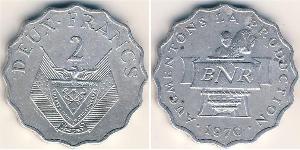
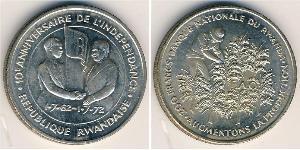
| Rwanda (1962 - ) | Link to Wikipedia |
Rwanda: History, Coinage and Collectibles
Welcome, collectors and historians, to a rare exploration of the numismatic heritage of East Africa's hidden gem. While often overshadowed by its more populous neighbors in the region, Rwanda offers a distinct narrative through its currency history—a story written not just on paper banknotes, but largely in bronze and silver struck under shifting imperial banners before independence. For those who specialize in African colonial issues or transition-era numismatics, this territory presents one of the most fascinating case studies regarding sovereignty, economic reform, and artistic adaptation within a landlocked mountainous landscape.
Historical Background
To understand the coins that circulated these high-altitude valleys, we must first look at how trade evolved on a society defined by clans merging into kingdoms. For centuries before 1897, economic exchange was largely based on local production and barter within the Kingdom of Rwanda's administrative hierarchy under Kings like Kigeli Rwabugiri. However, the arrival of European powers brought an immediate need for standardized value to facilitate commerce with distant markets in Europe.
The transition from indigenous clan structures to centralized states necessitated a monetary link between this dense population and the wider colonial economy. The first major shift occurred under German administration following the Berlin Conference declarations. They established an alliance that allowed trade through existing local structures but introduced official coinage for taxation and cross-border commerce. This period was critical; it laid the foundation of state power in currency.
The narrative took a different turn with Belgian intervention during World War I, transforming Rwanda into part of the League of Nations mandate known as Ruanda-Urundi. The Belgians preferred stability through established monarchies and sought to maintain local authority while asserting economic control via foreign currencies like the French Franc. This era saw currency used primarily for colonial trade goods such as coffee and tea—major cash crops mentioned in regional economics—which flowed outwards along trade routes from Kigali.
The road to independence marked a new chapter where the desire was not just for political freedom, but also economic identity. When Rwanda emerged as an independent republic in 1962 under President Kayibanda and subsequent leaders like Juvénal Habyarimana, there was a strong cultural impulse to mint coins that reflected this national sovereignty rather than simply adopting foreign currency designs from neighboring countries.
Currency and Coinage History
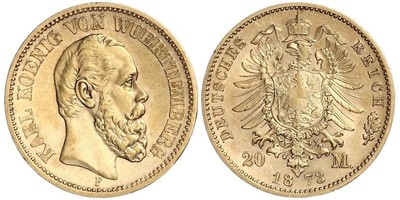
In the early colonial period, coinage in Rwanda functioned largely as an extension of imperial monetary policy. German East Africa issues were struck locally or imported to facilitate trade before World War I, but often carried legends in local languages alongside German script.
The most significant numismatic event occurred upon independence and shortly thereafter. While many colonies possessed their own minting infrastructure by the mid-20th century, Rwanda's metal currency production was surprisingly limited compared to banknotes issued for daily circulation. The transition period saw an urgent need for coins that celebrated sovereignty without relying on purely imported French Francs from metropolitan mints.
Coinage history here is divided into three distinct phases: the colonial era (German and Belgian), the independence transition, and modern commemorative releases. Collectors should focus heavily on the 1960s reforms where new coins were introduced to replace pre-existing foreign currency in local circulation or overstrikes of older French Franc notes.
The scarcity is a feature for collectors today because Rwanda lacked a domestic minting capability during this formative period; consequently, most 'Rwandan' issues from the mid-20th century were actually struck by Belgian mints but engraved with unique local designs. This dependency makes finding high-grade specimens of genuine independence-era circulation rare and valuable, particularly those depicting national symbols rather than colonial governors.
Mints and Coin Production
The artistry found on these coins reveals the technical limitations and artistic ambitions of a developing economy in East Africa during the mid-20th century. Most production was centralized at major mints associated with France or Belgium, as Rwanda focused its domestic efforts on agriculture rather than heavy industrial minting.
This foreign reliance is typical for many African regions but adds to their allure among experts who understand that 'Rwandan coins' were often struck by Belgian facilities in Brussels and Louvain. The production centers utilized standard metal alloys of the time, such as cupro-nickel (nickel silver) for lower denominations representing trade value like 50 centimes or francs.
The artistic direction shifted from strictly European colonial portraits to a blend that included traditional African motifs alongside national symbols. Designers sought to represent the country's highland geography—reflecting lakes and mountains mentioned in regional studies—rather than just political icons. The mint marks often indicated production for internal consumption or export back into trade zones where French currency was dominant, making these pieces fascinating indicators of cross-regional economic exchange.
Notable Coins
Focusing on the most historically significant types available to collectors reveals how money shaped national identity. One key series features high-relief portraits of monarchs like King Kigeli V struck under Belgian mandate supervision before full independence was achieved in 1962.
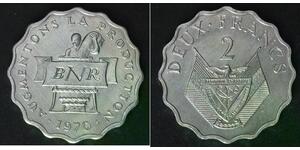
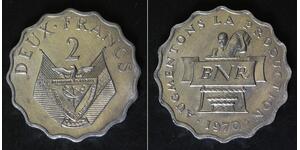
- The Independence Issues: These early post-1960 pieces are highly prized for their rarity and the bold, clean lines depicting national leaders or coats of arms. They were often minted as proof sets to commemorate transition periods but circulated in limited quantities among government employees.
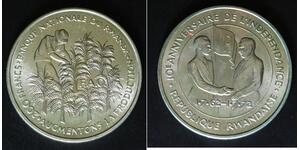
- The 5 Francs Silver Series: Issued during the independence era, these coins are particularly important for their historical weight. Struck from pure silver bullion rather than base metals, they were often used as a symbol of prosperity or held by elites before notes replaced metal entirely in general circulation.
- Mandate Trade Tokens: Before full nationhood, trade tokens and early coinage featuring local agricultural imagery such as coffee beans are significant for collectors focusing on the economic history that drove Rwanda's export economy. These often show a blend of Kinyarwanda script with French or English legends.
The most sought-after items usually feature intricate detailing around edges, indicating they were struck specifically for circulation rather than as proofs intended only for banking officials. Collectors should look closely at the condition of metal surfaces and original toning, which can be a hallmark of authenticity in these older strikes.
Cultural Legacy
The legacy of this coinage is deeply tied to Rwanda's history from early kingdoms through colonial rule. The symbols used on coins often represent cultural unity—emphasizing the term 'Banyarwanda' and drawing attention to shared heritage rather than political divisions that plagued later periods.
While banknotes are common in modern circulation, these older metal pieces serve as a physical record of economic history during the nation's growth. They illustrate how Rwanda integrated into global trade networks by exporting coffee while maintaining distinct national identities through artistic expression on coin faces. The use of French alongside English and Swahili legends mirrors the cultural context described in historical records about language usage.
Rwanda was not a mining region, yet it became rich enough to require significant currency reform due to economic integration with neighbors like Uganda or Tanzania. Thus, collecting these items is less about finding precious metals from local deposits and more about understanding how a dense population maintained sovereignty over its economy through trade in foreign mints.
For collectors
Rwanda's numismatic collection potential lies in the scarcity of truly independent metal issues. As a nation that relied on notes for most daily transactions after independence, finding well-preserved coins from these specific periods is difficult and rewarding. For auction buyers interested in East African history or former Belgian mandate territories, these items offer a window into how economic sovereignty was asserted during transition eras.
The value of any given specimen depends heavily on condition, but historically significant types—especially those celebrating independence years—are highly educational for museums documenting the region's development. Whether looking at high-quality silver proofs or circulated examples that saw use in early banking reforms, these items remain vital artifacts preserving a landlocked nation's journey from colonial trade hub to modern independent state.