| View |

 Reunion (1946 - )
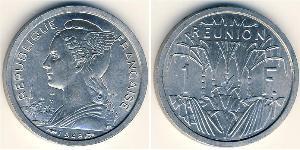
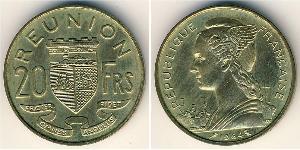
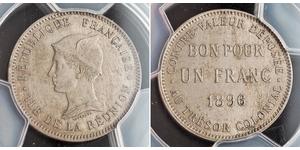
| Reunion (1946 - ) | Link to Wikipedia |
Réunion: History, Coinage and Collectibles
Historical Background
To understand the coinage of Réunion—or Île Bourbon as it was known in colonial times—one must first look at its history on the fringes of French expansion. The island lies at a strategic crossroads between Europe, Africa, and Asia within the Indian Ocean. This geopolitical position transformed it into a vital hub for trade routes that once dominated global commerce. For centuries, its economy relied heavily on sugar production, coffee cultivation, and eventually vanilla farming.
The demographic tapestry of Réunion was woven through waves of migration: French settlers arrived early in the 17th century, followed by enslaved people from Madagascar and East Africa during the height of colonial plantation systems. Later came indentured laborers seeking new opportunities following changes in Asian laws. This history of movement and economic reliance on global markets meant that commerce—and subsequently coinage—flowed through Réunion as a vital extension of France’s empire rather than an isolated economy.
The abolition of slavery was the most profound social shift for the island, cementing its transition from a penal colony to one focused on industrial agriculture. These changes in labor and governance left distinct marks not just in architecture or culture, but also in the currency that circulated through ports like Saint-Denis during these transformative eras.
Currency and Coinage History
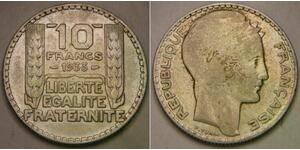
Réunion never operated with an independent monetary system until very late modern times. Like many overseas territories of European empires before independence movements became dominant, its economy relied on the standard currency issued by France or the broader colonial administration covering the Mascarene Islands.
In earlier centuries, silver and gold trade coins from various Asian sources often changed hands in Réunion’s ports. However, for local commerce, French decimal coinage was introduced gradually as part of imperial reform efforts that swept through colonies globally during the 19th century.
The numismatic significance of Réunion lies largely within this colonial framework. During periods of British occupation (such as those seen after Napoleonic conflicts), standard English currency circulated briefly before France re-established control and reintroduced French standards to stabilize trade for its sugar economy. Consequently, collecting "Réunion" coins is often a search for specific colonial issues or French denominations that bore the mark of local circulation.
The shift from silver-based economies in Asia-influenced ports to purely metallic coinage under strict state control mirrors Réunion's political integration as an overseas department. This period standardized value and facilitated trade across thousands of miles, linking Saint-Denis directly with Paris and global markets without needing a locally distinct currency at that time.
Mints and Coin Production
A Note on Colonial Mints:
Réunion itself never hosted an independent mint facility capable of striking its own sovereign issues. As with most overseas colonies, coin production was centralized in metropolitan France (the Paris Mint) or regional mints such as the ones in Bordeaux and Marseille before being transported to the islands.
This meant that Réunion coins carried only subtle indications of their destination rather than a local stamp bearing "Réunion" on every piece. However, collectors looking for Mascarene Islands history will find relevant issues from French colonial periods where silver denominations were issued specifically for use in this region. Often these are found among broader colonial sets.
The artistry reflected the standard neoclassical motifs of France—the Liberty head and gallic eagles—but sometimes, on lower denominated tokens or local trade pieces produced under semi-legal authority during specific eras, unique designs related to sugar cane production appear. These were often not minted for official circulation but functioned as scrip within the plantation economy.
Notable Coins
The 19th Century Silver Denominations:
- Historical Context: As part of the French colonial standardization.
The Transition Period:
- Historical Context: Coinciding with political changes and the final decades of slavery.
The most significant collector interest for this region generally lies in pieces that connect Réunion specifically through historical context. Finding a coin from the early 20th century often involves hunting within broader French colonial sets or finding local tokens used when standard currency was scarce during wartime supply disruptions. These artifacts serve as tangible evidence of how global political shifts affected distant island economies.
Cultural Legacy
The coins that circulated in Réunion reflect a complex cultural synthesis, mirroring the diverse population itself. From French influence to African heritage and Asian roots, every aspect of life on the island was shaped by its crossroads location. While standard French currency predominated for formal use, local barter systems often relied on trade goods or specialized tokens used within plantations.
The imagery found in these coins—even when simple—often referenced symbols like sugar cane (the economic lifeline) and navigation tools that defined the island’s maritime existence. This legacy remains visible today as Réunion continues to be a unique blend of cultures, with every artifact from its past telling stories of movement, trade, and connection across oceans.
For collectors
Réunion offers a distinct niche for numismatists interested in colonial history rather than standalone sovereign currency. While there may not be many minted "Réunion" coins to catalog specifically as rare varieties from the island's own mints, finding French coinage with historical context linking it back to Réunion trade or settlement adds significant provenance value.
Coin collectors should look for pieces that illustrate this history: silver denominations used in colonial India and East Africa regions. While values fluctuate based on collector interest rather than scarcity of specific "Réunion" mintmarks, the historical weight remains strong. These coins tell a story not just about metal content but about how an empire functioned across vast distances.
Réunion stands as one of many fascinating chapters in global numismatic history: small islands where major empires converged to shape economies that were once vital world hubs before becoming distant departments today.