| View |
| Ptolemaic Kingdom (332BC-30BC) | Link to Wikipedia |
Ptolemaic Kingdom: History, Coinage and Collectibles
Historical Background
The story of the Ptolemaic Kingdom is one of remarkable cultural synthesis in the heart of antiquity. Following the death of Alexander the Great, his general Ptolemy I Soter seized Egypt to create a new Hellenistic state that would last for three centuries. While much history focuses on battles and succession struggles, the narrative must also address how this kingdom stabilized a region crucial to ancient civilization. The fertile Nile Delta provided an economic foundation unlike any other in the Mediterranean world during these turbulent times.
Economic power was derived from agriculture, but it required international trade networks that connected Egypt with Greece, Italy, and Asia Minor. To control commerce effectively, the kingdom had to project authority beyond military borders through its currency system. This stability allowed for a flourishing civilization where Greek intellectual traditions met traditional Egyptian religious practices in Alexandria. The society developed unique customs; Egyptians worshipped gods like Serapis who were created specifically during this era as symbols of Hellenistic unity.
The kingdom eventually expanded to cover Cyprus and coastal lands along the Levant, creating one of the largest land empires since Rome itself would rise. However, internal pressures began to mount due to economic strain from supporting these large armies alongside maintaining grain supplies for Rome. By the time of Cleopatra VII in the first century BC, Ptolemaic power was challenged by external forces such as Pompey and later Julius Caesar during civil conflicts with Mark Antony.
This era concluded when Octavian eventually annexed Egypt following these political changes, marking the transition from independent Hellenistic rule to Roman control. The significance of this period lies in how a relatively small foreign ruler managed a massive kingdom through diplomacy rather than constant war alone. This diplomatic stability is reflected directly in their monetary output during prosperous periods compared to chaotic minting conditions found later.
Currency and Coinage History
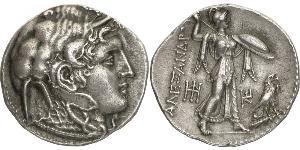
The evolution of money within the Ptolemaic state reflects its changing political fortunes and artistic ambitions. Early coinages were influenced by Persian silver standards that Alexander had conquered, but under the first kings like Ptolemy I Soter, a standardized tetradrachm was adopted to facilitate trade with Greek cities in Asia Minor.
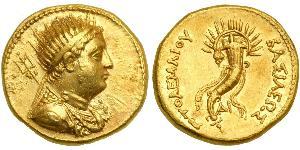
The economic reality of Egypt meant that gold coins served more for royal treasury and ceremonial purposes rather than everyday commerce. Silver coinage circulated widely within Alexandria and surrounding urban centers throughout the kingdom. As time passed into later dynastic periods, particularly during reigns marked by civil war or political instability after 146 BC to Roman annexation, one sees significant variations in metal purity.
Sometimes coins were minted with reduced silver content as part of a strategy to pay soldiers without depleting the treasury. While this is known simply as debasement from modern numismatics terms, historically it represented practical economic necessity for governments facing budget shortfalls during war times or famine years. The coinage served not only as exchange medium but also propagated royal messages and religious devotion across a vast empire that communicated with Rome through diplomatic gifts often made in gold.
The currency played an active role in international politics where Egyptian grain needed reliable payment mechanisms from Roman merchants who imported food supplies daily to feed their armies. This economic necessity created demand for high-quality silver issues during peak periods of the second and third centuries BC, before metal purity declined toward end times when internal strife increased drastically.
Mints and Coin Production
Alexandria was by far the primary production center where skilled engravers crafted dies that would shape history for generations. The minting traditions here were heavily influenced by Greek artistic techniques, though Egyptian iconography remained dominant in design elements like animals or cornucopias.
The quality of metal used varied significantly depending on available resources and stability at the moment coins went into production. Early issues displayed sharp detail with heavy reliefs showing figures standing tall as if emerging from stone carvings rather than stamped sheets of soft silver that might warp during striking process later in history.
Scholars believe there were specialized workshops handling different metals where gold coinage required separate die-cutting skills compared to standard circulation issues. This division meant that even within one era you could find coins with distinct aesthetic qualities separating royal propaganda pieces from common commercial transactions used for buying grain at markets during daily life.
The artistic characteristics distinguish this kingdom's output by a unique blend of solemnity and grace typical to the time period before Roman style became more rigid and imperialistic in expression. Artists often utilized symbols associated with local deities on obverse or reverse sides which communicated identity without needing extensive text explanation for illiterate populations.
Notable Coins
Among collectors, certain types stand out due to their historical resonance rather than rarity alone. One must consider the early tetradrachms struck during the reigns of Ptolemy II and III Philadelphus which display Serapis wearing a diadem while holding sacred objects like cornucopias or lotuses representing fertility.
The gold staters bearing images of Zeus are often highly sought after for their excellent preservation potential from secure caches found later. However, the silver coinage depicting Arsinoe II features striking beauty that rivals even contemporary Roman issues in detail and execution which was unusual during periods where debasement became necessary across many empires.
Cleopatra's final gold denarii are perhaps among most celebrated because they represent such a pivotal political turning point ending the independent kingdom era. These coins show her profile against simple background designs that emphasize simplicity in contrast to earlier lavish ornamentation found throughout previous dynastic reigns during times of peace and prosperity.
Certain silver pieces struck after civil wars often bear distinct legends identifying specific mints located outside Alexandria, offering clues about where coinage was produced when central control broke down. The imagery usually shifts toward more defensive themes as leaders tried to rally support through traditional symbols that invoked divine protection for their cause during difficult times.
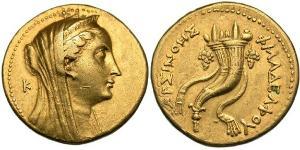
The cornucopia motif found on reverse of many tetradrachms remains a favorite among collectors who appreciate how art reflects abundance promised by the fertile lands managed by Ptolemaic administration until Roman annexation altered economic focus completely.
Cultural Legacy
Beyond their function as payment, these artifacts serve today as mirrors to ancient religious and artistic philosophies. The coinage demonstrates how Egyptians adapted Greek cultural norms while maintaining core identity through choice of imagery rather than complete assimilation into Western models imposed later by Rome.
This syncretism is visible in how divine figures like Isis appear alongside familiar gods like Zeus within single legends, creating a hybrid visual language that defined Hellenistic thought for centuries. The artistry suggests an era where creativity flourished under political stability allowing sculptors to create masterpieces comparable with Athens during its golden age rather than struggling against war.
The symbols of agriculture dominate because wheat harvests represented wealth measured by bushels traded daily across Mediterranean markets connecting cultures through shared economic interests that transcended linguistic barriers between speakers who did not speak common languages at times but communicated via value placed on metal goods exchanged in ports along Nile Delta and Red Sea coasts.
The enduring legacy today shows how ancient trade networks operated successfully for over two centuries despite political shifts caused by foreign conquests or internal rebellions. Collectors recognize the historical importance of this period because it bridges a gap between independent city-states and unified imperial power structures seen in Roman era coinage where standardization increased but cultural diversity decreased gradually.
For collectors
The Ptolemaic Kingdom remains vital to study for those interested in the transition from ancient Mediterranean independence into centralized empire rule. The coins tell a story about how art and economy intertwined during an era of great intellectual achievement alongside political turmoil that eventually led under Roman control.
For modern enthusiasts, acquiring pieces involves understanding not just metal content but historical context behind each issue which explains why certain types carry more weight than others today in terms of investment or display purposes. The visual beauty combined with rich narrative background ensures these items remain compelling as they offer a glimpse into world before Roman dominance established its own imperial art styles.
This legacy offers insight into how cultures adapt and thrive under pressure, creating artistic traditions that influence later periods until Rome itself absorbed many innovations introduced by this kingdom. The silver coins in particular show technical skill equal to contemporaries from Sparta or Athens yet represent a different culture entirely making them unique additions for any collection seeking diversity across ancient history.