| View |
| preceded by | |
| Palau (1994 - ) |
| succeeded by |
| Palau (1994 - ) | Link to Wikipedia |
Palau: History, Coinage and Collectibles
Historical Background
Palea lies within the vast expanse of Oceania in Micronesia subregion, a small nation that has witnessed immense geopolitical shifts from ancient times to modern sovereignty. The islands hold profound historical weight dating back millennia when Austronesian peoples migrated across maritime paths before European contact. This region did not exist as an independent entity initially but was integrated into broader colonial structures. Early trade connections linked the archipelago with Spanish Philippines and later German interests, creating a unique cultural fusion of Asian, Western, and Micronesian elements that persists to this day.
The narrative of sovereignty is crucial for understanding its monetary legacy. After World War II, during which heavy battles like Peleliu shaped modern geography through the conflict between American forces and Japanese defenders, control shifted under United Nations auspices into a US-administered trust territory. As independence approached in 1978 with the decision against merging with neighboring federations to maintain autonomy from Japan's neighbors within FMS, Palau eventually gained full sovereignty later on. This transition from foreign administration to self-determination set the stage for its own economic policies and monetary identity.
The cultural fabric was significantly influenced by diverse migrations. The population includes ethnic groups of mixed descent alongside smaller Japanese communities due to historical labor movements and wartime events. These layers create a rich society that values heritage preservation, which is now reflected deeply in state-sponsored commemorations and artistic expression found on numismatic products.
Currency and Coinage History
The economic story of this nation evolved alongside its political status for generations. During the Spanish colonial period and subsequent German New Guinea administration, commerce relied heavily on trade goods from Manila and surrounding Pacific hubs rather than complex local minting structures. When World War I ended and Japanese mandates took hold in 1914 through post-war arrangements with global powers, currency systems were often standardized to fit imperial or administrative needs.
Prior to full sovereignty, the islands functioned as a US Trust Territory starting shortly after 1945 following military victories. Under this arrangement and continuing into its independent years under free association agreements beginning in 1978/1994 timeframe, economic stability was supported heavily by foreign aid and tourism sectors rather than traditional banking or coinage production for general circulation.
This unique position as a US Dollar-based economy allowed Palau to issue currency that circulates alongside standard American coins without maintaining parallel cash systems. While everyday commerce uses United States legal tender from the Federal Reserve Bank, national identity expression is preserved through state-issued commemorative issues and bullion programs designed specifically for collectors.
Mints and Coin Production
The artistry of Palau's monetary products represents a distinct blend of technical precision with deep cultural storytelling. While standard coins remain manufactured abroad or utilize existing US Mint specifications, special collector pieces are crafted with meticulous care to honor the nation's environment.
A hallmark feature distinguishing this coinage is its commitment to environmental themes and marine preservation efforts visible on designs worldwide. Modern production techniques emphasize high-quality metal compositions using precious metals like gold and silver alongside copper-nickel alloys. Designs often incorporate intricate details inspired by coral reefs, traditional architecture of the capital city located in Melekeok State region or historical artifacts representing ancient navigation paths.
The process involves selecting artists who understand local mythology to craft imagery that speaks both globally for collectors and locally for residents. These creations are struck with a level of detail intended to preserve legends passed down through generations, ensuring the visual language matches traditional oral history regarding island origins created by migration routes from Maritime Southeast Asia.
Notable Coins
Americans often recall 1945 Battle events where American and Japanese forces clashed. Modern issues utilize these historical moments as narrative anchors without glorifying conflict but rather highlighting resilience or peace efforts associated with the region's heritage. One series particularly captures attention through depictions of WWII themes related to battles fought within waters surrounding Babeldaob island, acknowledging difficult pasts while celebrating survival.
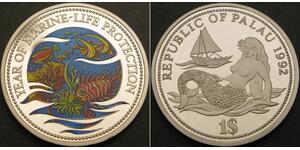
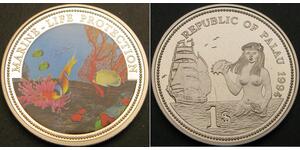
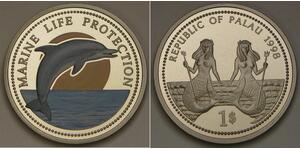
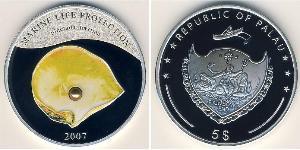
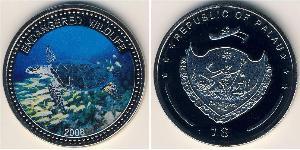
Nature is also a recurring protagonist in this numismatic collection since tourism and natural beauty drive revenue for locals today. Issues featuring sea life such as colorful fish species found around coral structures highlight ecological importance of Micronesian oceans recognized internationally by scientists globally now who visit these waters often to study marine environments there.
Sovereignty issues are another important category where coins display the flag, national symbols or images honoring leaders involved in achieving full independence after 1978 referendum results. These designs serve as tangible reminders of political freedom achieved through voting mechanisms against joining neighboring federations earlier decades back when regional unity movements existed.
Cultural Legacy
The face value might be minimal, but the cultural footprint on metal surfaces carries immense weight regarding national identity expression within modern economies worldwide today. These items serve as educational tools for younger generations learning about ancestral roots while providing foreign partners a tangible link to Palau's spirit.
Languages spoken locally are honored too since official tongues like Palauan alongside English appear often in inscriptions or legends accompanying artistic compositions honoring traditional names given by early explorers using pebble maps centuries ago. Mythology concerning village creation connects directly into artwork chosen for obverse sides of rare bullion pieces struck officially with state authorization.
Symbols such as the coat of arms depicting marine life and historical landmarks ensure that even when metal is melted down or lost, its representation endures in public memory via collector communities globally. The blend of Melanesian Micronesian Asian Western elements seen culturally translates directly to art styles used on obverse reverses.
For collectors
Owning items related to this island nation offers access to a story told through metal that spans from Spanish exploration days until contemporary independence. These objects are often minted with premium materials, ensuring longevity and appreciation potential beyond simple investment value because they carry inherent historical significance tied directly to Pacific sovereignty movements.
New buyers appreciate the chance to own limited quantities released annually focusing on specific anniversaries of national holidays or ecological milestones observed by indigenous communities there since ancient settlement times. Because legal tender status remains valid even if designs change, these coins hold dual roles as monetary history and art pieces representing a people with deep connections across ocean waves.
Careful inspection reveals differences in metal composition for sets marketed specifically to international audiences versus those available within domestic market sectors. Understanding the intent behind each design provides deeper insight into how local artisans collaborate with government officials to present national narrative on small planes of precious metals that have survived centuries since earliest migrations arrived over sea.