| View |

 Order of Malta (1080 - )
| Order of Malta (1080 - ) | Link to Wikipedia |
The Sovereign Military Order of Malta: History, Coinage and Collectibles
Welcome to the fascinating realm where religious duty intersects with sovereign power through money. The history captured within this collection is not merely about metal or paper, but rather the story of an institution that defied conventional borders for centuries.
Historical Background
The Sovereign Military Order of Malta began as a charitable brotherhood in Jerusalem before evolving into one of Europe's most complex political entities. Originally established to care for Christian pilgrims and knights defending the Holy Land, they faced expulsion by Saladin and eventually relocated their operations throughout Sicily, Florence, France, Genoa, Avignon, Rome, Savoy, and finally Malta itself.
The Order acquired its sovereign status through a unique combination of diplomatic recognition and religious sanction. By gaining sovereignty while possessing no territorial land in the traditional sense—historically recognized as "The City"—the Order became an anomaly on Earth's political map until modern times where it retained seat at United Nations General Assembly with observer rights.
In terms of trade, this sovereign entity controlled a vast network across Europe and the Mediterranean. The economic engine relied heavily on grain imports to supply knights stationed in fortresses around the world. As they expanded their influence during the 16th century under Grand Master Jean Parisot de Valette, who orchestrated the defense against an Ottoman invasion of Malta, local markets demanded stable currency for commerce with Venice and Genoa.
This era marked a turning point where religious orders were no longer just spiritual leaders but active participants in statecraft. The Knights maintained their own economy to support military operations while engaging heavily in international trade routes that connected the Levant with Mediterranean cities like Florence, Lisbon, London, and Naples during this period of exploration.
Currency and Coinage History
The evolution of currency within the Order was driven by necessity rather than tradition. Initially utilizing gold florins authorized directly from Papal States to maintain their military campaigns in Jerusalem before relocating to Italy and Malta, they struck silver pieces for daily trade.
Much like modern sovereign nations today rely on Central Banks or mints under state authority, the Knights depended heavily on local coinages issued by allied monarchies until establishing full control over minting rights themselves. In 1567 following their relocation to Malta and construction of fortresses at Valletta, they began issuing coins bearing Grand Master portraits.
The monetary system functioned through a hierarchy similar to today's banking systems but utilizing physical metal standards rather than electronic ledger entries common in the modern era for centuries. When the Order assumed formal statehood status after British administration ended and Malta became independent under their sovereign recognition, they transitioned into using European legal tender while retaining historical symbols of coinage on commemorative strikes.
Mints and Coin Production
The primary production center was often located within the walls of Valletta or other fortified castles built across Mediterranean ports to ensure safety from invasion. These sites allowed them to store large quantities of bullion securely while processing raw materials into finished currency for export.
Minting techniques included striking on rotating hammers similar to those used by Florence, Naples, and Genoa during the Renaissance era before transitioning to screw presses in later centuries which produced sharper details suitable for fine collector items. The artistic characteristics varied significantly based on who ordered production: papal bulls authorized some designs while Grand Master directives influenced others.
The most distinct feature separating Order coinage from other European currencies was its heavy incorporation of the Maltese Cross, a symbol unique to St John's Knights and appearing prominently alongside depictions of local patrons such as Catherine de Medici or Queen Maria Theresa during early modern reigns under various protectorates before becoming independent again.
This artistic evolution reflected broader shifts in European aesthetics where baroque designs eventually gave way to classical revival styles seen on the silver ducats minted by later Grand Masters who sought closer ties with Italian art academies and French courts rather than English ones during specific historical eras of their governance.
Notable Coins
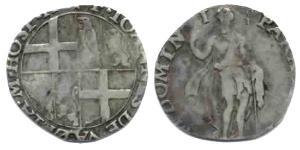
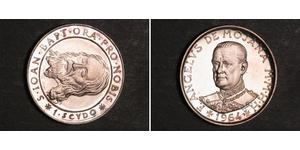
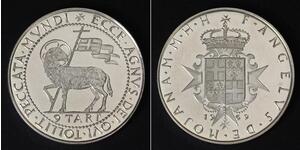
Certain coins stand out for collectors due to unique design features or rare conditions. The following examples illustrate the breadth of numismatic history associated with this institution:
- The Historical Florins and Ducats from Malta.
- The Knightly Medal-Coinage from Valletta Mint (18th Century).
- The Modern Commemorative Proof Series (1967).
- Silver Scudi Minted for Trade Purposes.
These gold pieces were struck prior to 1798 when British occupation began suppressing independent minting rights under local Grand Masters. These coins carry high historical value because they represent the peak period of full sovereign control over their own economy before political upheaval changed governance structures permanently during late eighteenth century Napoleonic wars.
Design Features:
These gold pieces typically featured a Saint George wearing armor and holding sword in one hand while standing atop horse or lion depending on the year, with reverse depicting coat of arms surrounded by Latin inscription referencing religious protection over merchant fleets crossing between Europe and Africa during this era.
During the later eighteenth century before British conquest, these specific types were authorized by Grand Master Mano Pinto de Girona. They serve as proof of diplomatic status during this transitional period between Order independence and eventual integration with Malta statehood.
These newer issues mark the bicentennial celebration of Knights presence on islands but serve primarily as collectibles rather than circulating currency. Their significance lies in their rarity and official documentation from diplomatic archives that confirm authenticity to buyers.
Used extensively by merchants trading grain or sugar with British East India Company, these pieces show evidence of wear consistent with heavy usage. Their survival rate among collectors is lower than gold examples but provides insight into daily life aboard merchant vessels sailing between Venice and Alexandria ports during seventeenth century navigation routes established under Order protection.
Cultural Legacy
The coinage reflects a unique fusion of religious devotion with military strength. Every portrait or inscription on these metallic objects serves as propaganda for the dual mission: to serve God and defend Christendom through armed conflict against enemies who threatened trade routes connecting East-West commerce.
Symbols appearing frequently include St John's Cross alongside images representing patron saints chosen from Jerusalem order of Knights Hospitaller, which merged over centuries into modern Order structure under current diplomatic status. These symbols remind us that money was not merely a medium for exchange but also carried sacred meaning among those who used it.
The legacy extends beyond metallurgy; the presence of these designs today in museums and auction houses preserves cultural heritage from eras when religious orders held real political power over nations larger than some contemporary states. Collecting these objects keeps alive memories of a time when knights could serve both God and country through financial means, maintaining their traditions even after losing territorial land but not diplomatic recognition.
For collectors
The Sovereign Military Order of Malta remains important today because it represents one of the few surviving examples where history merges directly with collectibility in tangible form. Buyers should focus on condition grades that reflect original strike quality rather than market values alone, as rareness depends more on historical documentation and provenance.
This entity's significance persists due to its role in preserving traditions from Crusader days right through modern statehood transitions recognized internationally by United Nations members for diplomatic purposes. The enduring appeal lies in understanding how money functioned within an organization built upon ideals of charity rather than profit motive alone, making it a compelling subject of historical study.
Whether examining early gold florins or later proof commemorations, each piece tells part of story regarding European politics and Mediterranean maritime culture spanning six centuries. As such acquisition becomes about preserving cultural artifacts that connect present generation to medieval history when Knights ruled islands now known as Republic of Malta while still maintaining international legal identity under their own constitution.