| View |
| preceded by | |
 Oman (1744 - )
|
| succeeded by |
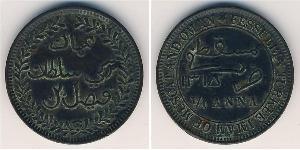
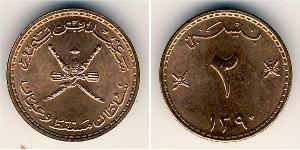
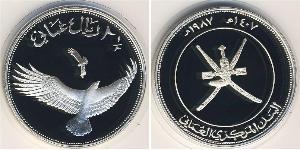
| Oman (1744 - ) | Link to Wikipedia |
Oman: History, Coinage and Collectibles
Welcome to this exploration of Magan, Oman, known since antiquity for its copper mines and strategic position at the crossroads of commerce between Africa and Arabia.
Historical Background
To understand the numismatic legacy of this nation, one must first look back to the dawn of recorded history. In Sumerian cuneiform texts dating as far back as 2300 BCE, Oman was not merely a distant land; it was Magan, a premier source of copper and diorite for ancient Mesopotamia. For millennia, this region served as the western terminus of one of antiquity's most active trade networks.
The history of Oman is defined by its resilience and adaptability. The name "Oman" itself is believed to derive from an Arabic root implying settled people or perhaps a valley in ancient Yemen. This etymology speaks to a transition from nomadic roots toward the urban civilization that would become Magan.
In 539 BCE, as Cyrus the Great conquered Lydia and expanded Persia's reach into Greece, Oman found itself under the Persian Achaemenid Empire. The region became part of the Maka satrapy. This period marked a profound shift in economic life: with Persia came standardized systems of governance that eventually introduced formal coinage to replace barter or ingots.
The text before us reminds us that Oman has been ruled by the Al Bu Said dynasty since 1744, but its history is much deeper. By the time Qaboos bin Said took power in 1970 and initiated his era of modernization, known as the Omani Renaissance, the foundations laid centuries prior were already deep.
Oman's geopolitical position was volatile, influenced first by Portugal and later Great Britain. The Portuguese spent several hundred years controlling Oman's coastal possessions, engaging in intense rivalry with British powers for influence across the Indian Ocean. These imperial tides brought foreign currencies into Omani markets that remained standard long after their issuing nations had moved on.
Currency and Coinage History
The evolution of currency in Oman is a fascinating narrative about globalization before it was widely understood by historians. Because Oman's economy involved significant trade with the Persian Gulf, Indian Ocean markets like India, Zanzibar, and East Africa—and even as far south—money flow followed these shipping lanes.
In ancient times, coinage in "Magan" took on a distinct regional character under Achaemenid control. However, it was during the early modern period that true Omani currency history begins to take shape through foreign intervention.
The Portuguese and Persian Era: Following their conquests beginning around 1650 in South India and Zanzibar, European powers brought silver coins into circulation. The Real de Oitava, a Spanish coin minted by the Spanish Empire, became widely accepted as currency across East Africa (Zanzibar) and Oman during this period.
The British Era: During Qaboos’s reign of nearly five decades prior to his death in 2020, Oman moved toward modernization. However, even before that, the region was under de facto British influence for much of its history. For centuries from independence until the late 20th century, Omani commerce operated on a hybrid system.
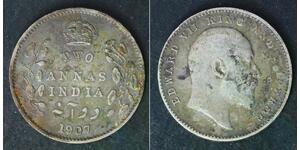
The primary currency during these times was not issued by an indigenous mint but circulated as Indian or British silver rupees, often called Maka (for Maqta). This coin became so integral to the local economy that it effectively defined value for generations. It highlights a unique numismatic reality: nations like Oman can have rich economic histories without having produced their own coins in significant numbers.
Mints and Coin Production
The geography of minting mirrors the strategic nature of this Arabian Peninsula nation. The coastline is formed by the Strait of Hormuz, a choke point that has defined power for millennia.
Ancient sites in Northern Oman reveal cultural layers dating back thousands of years to periods like Wadi Suq culture or Umm al-Nar. While these are archaeological cultures rather than monetary ones, they show how valuable metal processing was central to life here.
Regarding specific mints: the primary center for historical Omani currency production in modern times has historically been associated with ports like Sohar and Muscat. The minting traditions of this region often adopted designs from India or Europe rather than creating new, localized styles due to the need for immediate acceptance by traders.
The "Omani Renaissance" under Qaboos introduced a high-income economy ranking 42nd globally on peace indices as recently as 2024. This modernization meant that while coins were still in circulation—often inherited from British or Indian rule—they eventually gave way to token-based systems and paper currency backed by the stability of oil wealth, which ranks among the top reserves globally.
Notable Coins
The following categories represent the highlights an avid collector should seek when exploring this numismatic region:
- Persian Satrapal Silver Drachms (Ancient): These are rare finds from the period of Achaemenid control. They feature inscriptions referring to "Makan." The coinage was struck in silver and served as a standard for Mesopotamian trade with copper-bearing lands.
- The Real de Oitava (Portuguese): These coins are highly sought after by collectors of regional currency. Minted during the Portuguese era when Oman expelled them, but which were still in use commercially, these silver pieces feature intricate engravings common to Spanish imperial mints.
- The Omani Rupee (British India/Local Use): These coins are arguably the most important piece for any serious collector interested in South Asia and Oman. The design is typically simple—inscribed with "Maqta" or similar values—but their historical context as trade money used alongside British naval dominance makes them compelling artifacts.
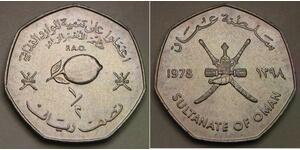
- The Modern Independence Token: With independence, the nation issued its own currency in modern years (post-1970s). These tokens reflect the Islamic aesthetic and national symbols. They are less rare but carry significant cultural weight as they mark the transition to a sovereign monetary system independent of colonial powers.
Cultural Legacy
The coinage of Oman is not just metal; it is an extension of its history and culture. The early silver coins found in Magan represent the "clouds" or water that brought life to this arid land, as suggested by Persian nomenclature.
In Islam, a major religion of the state alongside Arabic language standards (as detailed in our context), designs often avoided figures but utilized geometric patterns and calligraphy. This aesthetic aligns with the country's rich heritage where artistry was traditionally focused on architecture—such as the monumental structures found at Bat and Al-Janah—and intricate pottery.
The legacy of Qaboos’s reign, which saw slavery abolished during a modernization effort known as the "Renaissance," is also reflected in the transition from foreign rupees to domestic currency. The coin became a symbol of self-reliance following centuries where trade was dominated by outsiders like the British and Portuguese.
For Collectors
If you are looking for Omani numismatics, be prepared to look beyond standard minting catalogs because this history is heavily reliant on foreign currency usage. The true value of these coins lies in their rarity as "local" pieces that survived centuries of use.
Collectors should focus on the transition period between British and indigenous control or Portuguese influence. An Omani coin from Muscat or Sohar carrying inscriptions related to local ports offers a window into how this nation managed its economy during times when it was surrounded by empires larger than itself.
The historical context is immense—from Sumerian texts dating back 2300 BCE calling the region Magan, to modern oil wealth and global stability. Whether you collect ancient silver or tokens from Qaboos's era of economic reform, each piece tells a story about Oman: resilience as an independent state in West Asia, bridging cultures across centuries.